

The UN called on the international community not to rush into normalizing relations with the Taliban.
The United Nations has called on the international community to refrain from hastily normalizing relations with the Taliban.
Tashkent, Uzbekistan – Podrobno.uz News Agency.
UN experts have strongly recommended that the international community refrain from hastily normalizing relations with the Taliban while severe restrictions on the rights of women and girls persist in Afghanistan, and famine and other humanitarian crises continue.
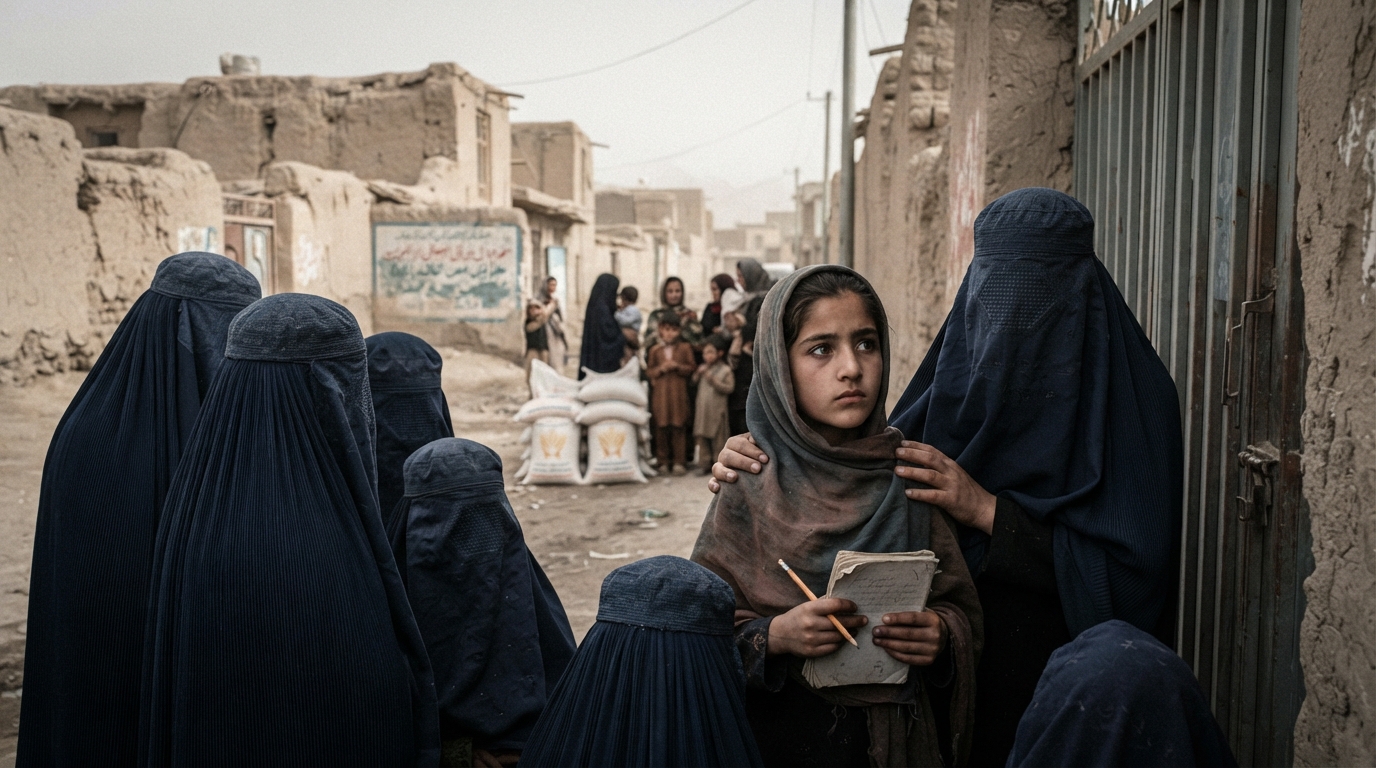
According to experts, restrictions on the rights of women and girls have intensified in the country over the past few years. After the Taliban came to power in 2021, schools stopped accepting girls over 12 years old, and in December 2022, women were barred from higher education. As a result, 2.4 million girls were deprived of the opportunity to complete secondary education.
Restrictions have also affected other aspects of life. Women and girls face systematic discrimination and numerous prohibitions, while people with disabilities face barriers to education, healthcare, and economic participation. At the same time, Afghanistan continues to experience serious food shortages. Approximately 14 million people in the country suffer from acute food shortages, with only about one in nine people receiving assistance. Record levels of acute malnutrition among children have been recorded in 12 provinces.
The situation is exacerbated by armed conflict, unemployment, rising prices, reduced international funding, and the return of nearly six million Afghans expelled primarily from Pakistan and Iran. The cost of basic foodstuffs has increased by 20-30%. To continue humanitarian programs until winter, the World Food Programme needs an additional $500 million.
Violence against women remains a serious problem. Since the Taliban's rise to power, 231 femicides have been recorded in ten provinces.
Fifty-three of the deaths were officially ruled suicides, although relatives and witnesses reported possible domestic violence. Only 58 arrests were recorded, and some of those detained were subsequently released. Changes have also affected previously existing mechanisms for protecting women. Following the Taliban's return, the Ministry of Women's Affairs, the special prosecutor's office for violence against women, and the network of shelters were abolished. Approximately 250 female judges were suspended, and female prosecutors were sent home.
It is precisely this combination of restrictions and human rights violations that raises concern among UN experts. They call for continued pressure on the Taliban authorities to respect human rights and for the situation not to be normalized without addressing the ongoing violations in the country.
They believe that any steps toward normalizing relations with the Taliban authorities must take into account the human rights situation in the country. Particular attention should be paid to the situation of women and girls, who remain the most vulnerable group due to the current restrictions and prohibitions.