

"Harsh sanctions" against Russia approved by US Congress
Now the document will be sent to President Donald Trump for signature.
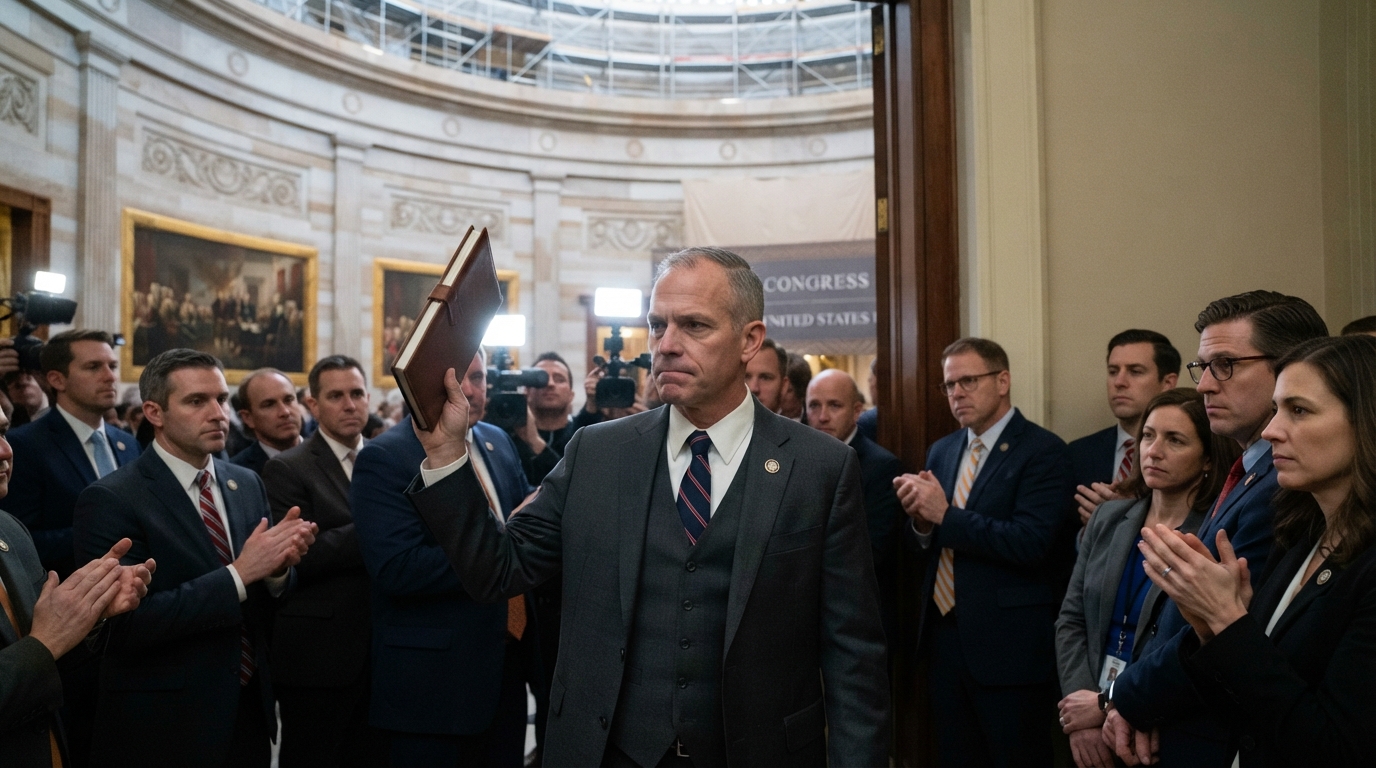
"Crushing sanctions" against Russia approved in US Congress
The US House of Representatives has approved the "sanctions from hell" bill against Russia, which had previously passed the Senate. The document will now be sent to President Donald Trump for signature.
It was supported by almost all Republicans and 58 Democrats.
The bill, titled "Lindsey Graham's Russia and Iran Sanctions Act of 2026," provides for new restrictions against Russia's energy and defense sectors, as well as the "shadow fleet" of tankers used to bypass existing sanctions.
In addition, the document authorizes Trump to impose tariffs of up to 100 percent on China, India, and other countries in order to reduce their purchases of Russian oil and gas. The expansion of sanctions against Iran is also included in the bill. The initiative is informally referred to as the "crushing sanctions" bill.
The Senate approved the bill in August. Before the vote, Ukrainian President Volodymyr Zelenskyy met with US lawmakers, urging them to support the document, and watched one of the procedural votes directly from the Senate floor. According to Reuters estimates, the bill became the most significant document related to Ukraine passed by Congress since Trump's return to the White House and both chambers coming under Republican control in January 2025.
The consideration of the document took more than a year. Lindsey Graham and several dozen senators introduced it in April 2025, but the Republican leadership of Congress obtained Trump's consent to hold a vote only in July 2026, a few days before Graham's death. After that, the bill was named after him.
A large majority of Democrats in the House of Representatives opposed the document. In their view, the bill gives Trump too broad authority to impose tariffs, including against US allies, while allowing the president not to apply sanctions if he deems them contrary to the country's national interests. House Democratic Leader Hakeem Jeffries said that because of these waivers, new sanctions that could harm Russia might not be implemented.