

New US sanctions against Russia may be delayed until November
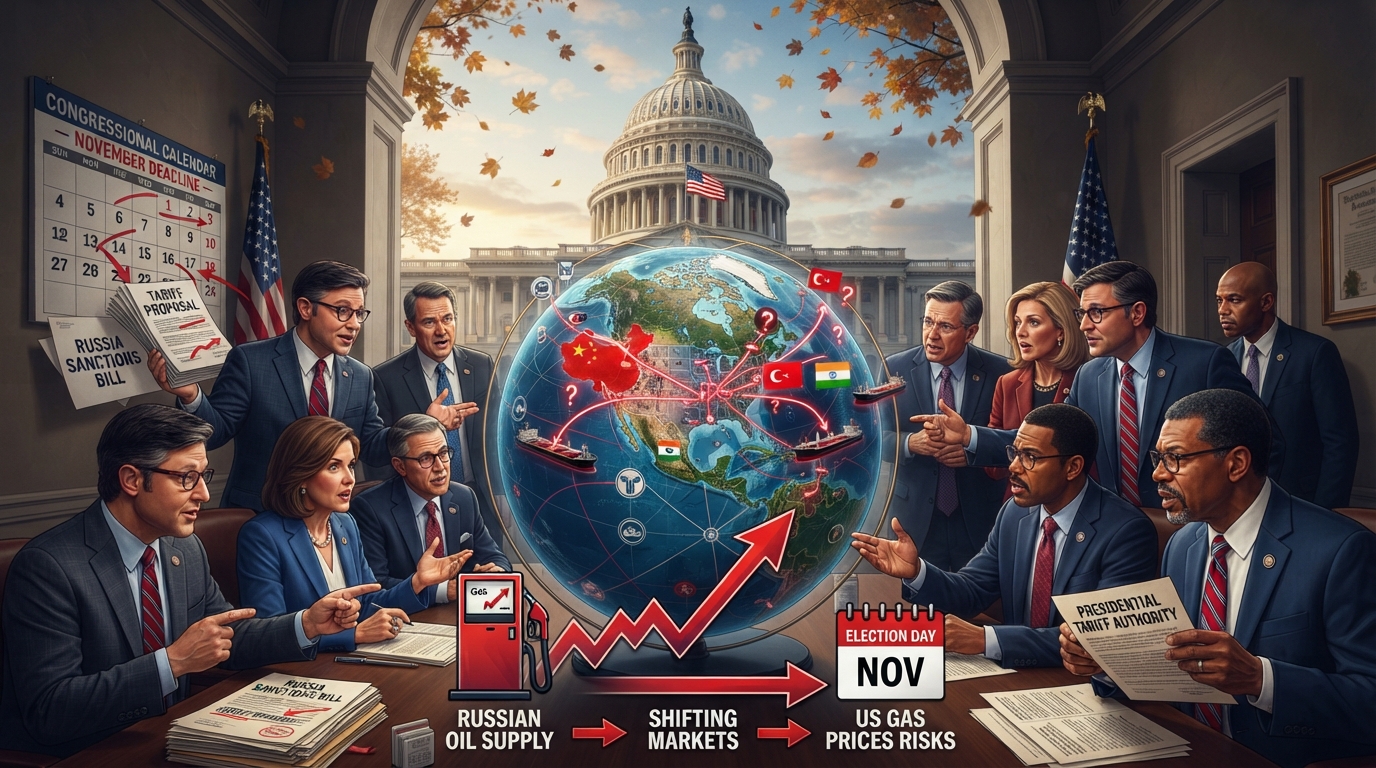
In the US House of Representatives, the discussion of the bill on new sanctions against Russia may be delayed at least until the congressional elections in November. Members of Congress are concerned that introducing tariffs of up to 100 percent on major buyers of Russian oil and gas could lead to an increase in fuel prices in the US and have a negative impact on consumers.
New US sanctions against Russia may be delayed until November
The consideration of a bill in the US House of Representatives that provides for strict sanctions against Russia is likely to be delayed. Bloomberg reported this on September 3.
According to House Speaker Mike Johnson, the document raises questions not only among Democrats but also among some Republicans.
"We all support sanctions against Russia, but the formula has to be right," Johnson said.
The bill was previously fast-tracked and approved in the US Senate. However, some of its clauses in the House of Representatives, particularly the proposal to expand President Donald Trump's authority to impose tariffs, are causing debate.
The bill envisages allowing the president to impose a 100 percent tariff on the five largest buyers of Russian oil and gas.
Similar measures could also be applied to five other countries found to be helping Russia evade sanctions.
China, India, and Turkey are primarily mentioned among the potential targets.
The Chairman of the House Foreign Affairs Committee, Republican Brian Mast, stated that they are currently studying how the new measures could affect the fuel market.
In his opinion, if India and other major buyers of Russian energy resources abandon Russian raw materials and switch to alternative suppliers, demand in the global market could be redistributed. This, in turn, poses a risk of rising gasoline prices in the US.
This issue is considered particularly important on the eve of the congressional elections in November.
Democrats are criticizing another aspect of the bill. They fear that the document will provide the Trump administration with an additional legal basis to use tariffs on a very broad scale.
According to Gregory Meeks, a member of the House Foreign Affairs Committee, the president could be granted additional powers that do not currently exist.