

In the US, the path has been opened to discuss the "Graham bill" against Russia
The US House of Representatives has approved the procedure for considering a bill that would allow the introduction of high tariffs on certain countries purchasing Russian energy resources. This opens the way for a substantive discussion of the document, but the bill itself has not yet been adopted.
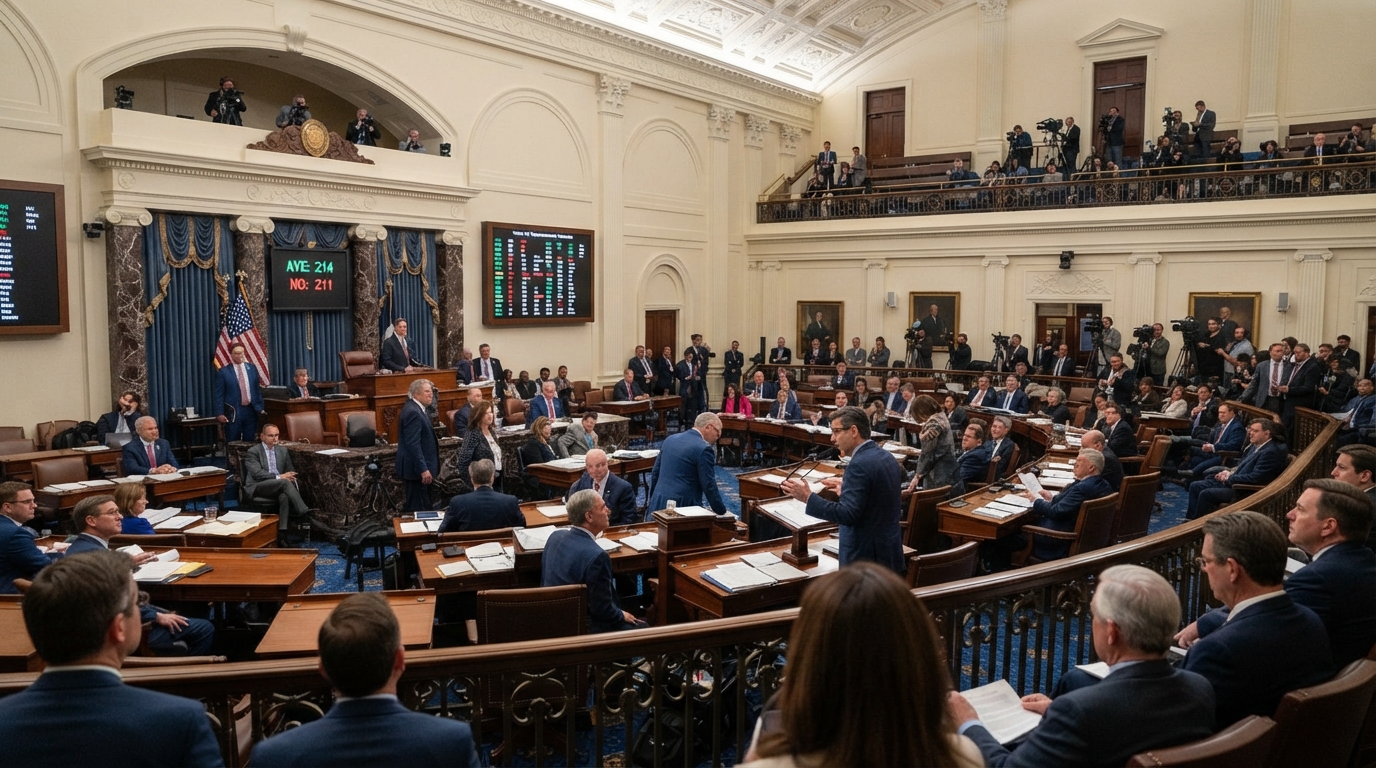
In the US, the path has been cleared to discuss the "Graham bill" against Russia
On September 15, the US House of Representatives approved the procedure for considering a draft law on sanctions against Russia, which was developed with the participation of the late Senator Lindsey Graham.
DW, citing The Hill, reports that the rules for considering the draft were approved with 214 votes in favor, while 211 congressmen voted against it. Among those who supported the resolution were two Democrats.
This vote does not mean the bill itself has been passed. It allows the House of Representatives to discuss the substance of the document and proceed with the subsequent voting process.
The bill provides for granting the US President the authority to introduce tariffs on countries purchasing Russian energy resources. The document also contains provisions related to extending current US sanctions against Iran.
The draft is referred to in the media as the "Graham bill." Senator Lindsey Graham actively participated in its development and promotion.
According to DW, the initiative could allow the US President to impose a 100 percent tariff on the five largest buyers of Russian oil and gas, as well as on five countries found to be helping Russia bypass energy sanctions.
There are opposing positions in the US Congress regarding the bill. Supporters of the initiative view it as a tool to increase pressure on Russia's energy revenues. Congress materials also discussed the issue of tightening sanction measures against buyers of Russian oil and gas.
Meanwhile, some Democratic congressmen criticize the draft, stating that it drastically expands the president's authority in the area of tariffs. They pointed out that such measures could lead to price increases in the US.
The next vote on the bill by the full House of Representatives is expected to be held by the end of this week. The subsequent legislative stages of the document will depend on the results of the vote.