

Grid operator says lights will stay on this winter after concerns
The assurance from the National Energy System Operator comes amid concern from its engineers about their ability to ensure adequate supply.
**Grid operator says lights will stay on this winter after concerns**
Britain’s electricity network operator has sought to reassure the public that the lights will stay on this winter, after worries were raised by some of its engineers.
The National Energy System Operator (NESO) said the UK’s electricity system was ready and "resilient to the challenges it may face" over the colder months.
Its winter outlook report, however, follows an independent investigation that found engineers had "high levels of stress and concern" about their ability to maintain adequate supply because of differences between renewable and gas-fired power generation.
NESO said power supplies were expected to stay secure throughout the winter, although it warned there could be "tight days".
It said those days would lead it to issue notices to power producers that extra electricity generation might be required. NESO said such notices were not a warning of power cuts and were routine.
"While we never take resilience for granted, households and businesses can be confident that Great Britain's electricity system remains secure, reliable and among the most resilient in the world," said Deborah Petterson, director of whole energy system resilience at NESO.
In a separate report, National Gas, a private company that owns and operates the country’s gas network and is separate from NESO, said it expected to have enough supply to meet demand this winter, but predicted gas used for power generation would rise at peak demand because of the "intermittent" nature of renewables.
The two reports come as Britain’s energy generation and security face growing scrutiny, with wars in the Middle East and eastern Europe pushing up prices and raising supply concerns.
Britain’s electricity is produced from a broad mix of sources, including renewables such as solar and wind, along with more traditional gas-fired and nuclear power stations.
Wind power was the biggest source of electricity in Britain last year, making up almost 30% of all power, slightly ahead of gas.
But there seem to be difficulties in the shift to renewables in keeping supply aligned with demand, according to findings from an investigation into NESO’s practices, which was commissioned after allegations about operational decision-making and record-keeping at the grid operator.
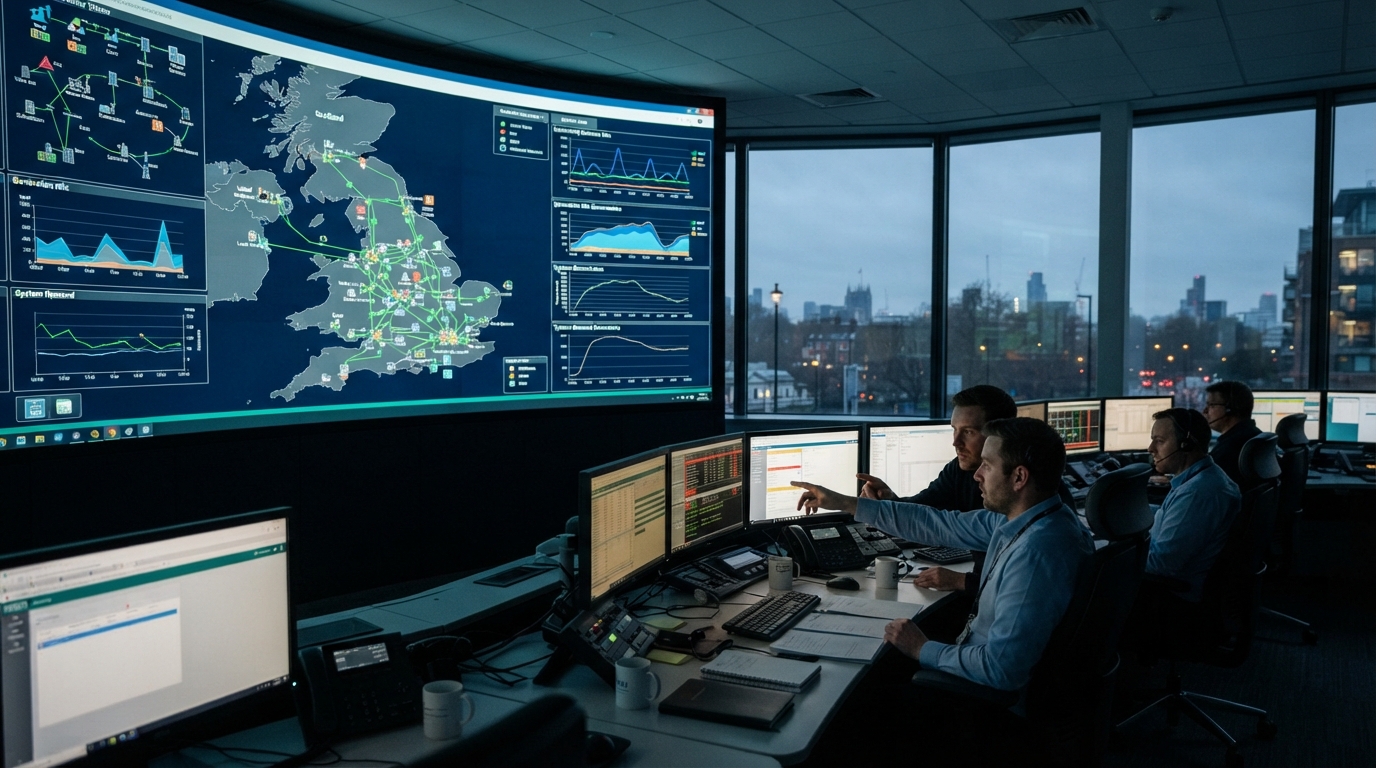
Law firm Eversheds Sutherland, which conducted the independent investigation, said there were "high levels of stress and concern" within NESO’s Electricity National Control Centre over the "current state of the energy industry generally" and the longer-term ability to keep it balanced.
It said evidence from staff indicated this was because traditional forms of electricity generation such as gas were "easier to manage" than renewables, which were "less flexible", making the task of ensuring supply meets demand "more difficult".
The probe also found a "significant disconnect" between people working in the control room and NESO’s leadership.
Multiple witnesses said senior leaders and executives "do not fully appreciate or understand either the way in which the control room works, or the reality of the pressures faced by those on the frontline who are responsible for 'keeping the lights on'", Eversheds’ report said.
The investigation was launched after Conservative shadow energy secretary Clare Coutinho said in July that she had been contacted by a whistle-blower alleging NESO had been "hiding information about how securely our grid is being run".
One allegation was that control room staff were encouraged to conceal or alter records to avoid leaving a paper trail connected to efforts to stabilise the grid during a period of extreme heat in June.
According to the allegation, this was done so NESO, which is owned by the government, could avoid public scrutiny or reputational damage.
Eversheds said its investigation did not support any of the whistle-blowers’ allegations, but it did identify "cultural, governance and control issues" that it said were "significant findings in their own right".
Fintan Slye, chief executive of NESO, said the investigation identified "areas where we could improve how colleagues can raise concerns and how we respond to them".
"I want all colleagues at NESO to feel heard. We will act on the recommendations, working closely with our trade unions, and be open with colleagues about the progress we make," he added.