

Five recognized global movie hits were shot on regular cameras of old iPhone models
Modern filmmaking technologies are constantly evolving thanks to the improvement of hardware and the emergence of new shooting formats
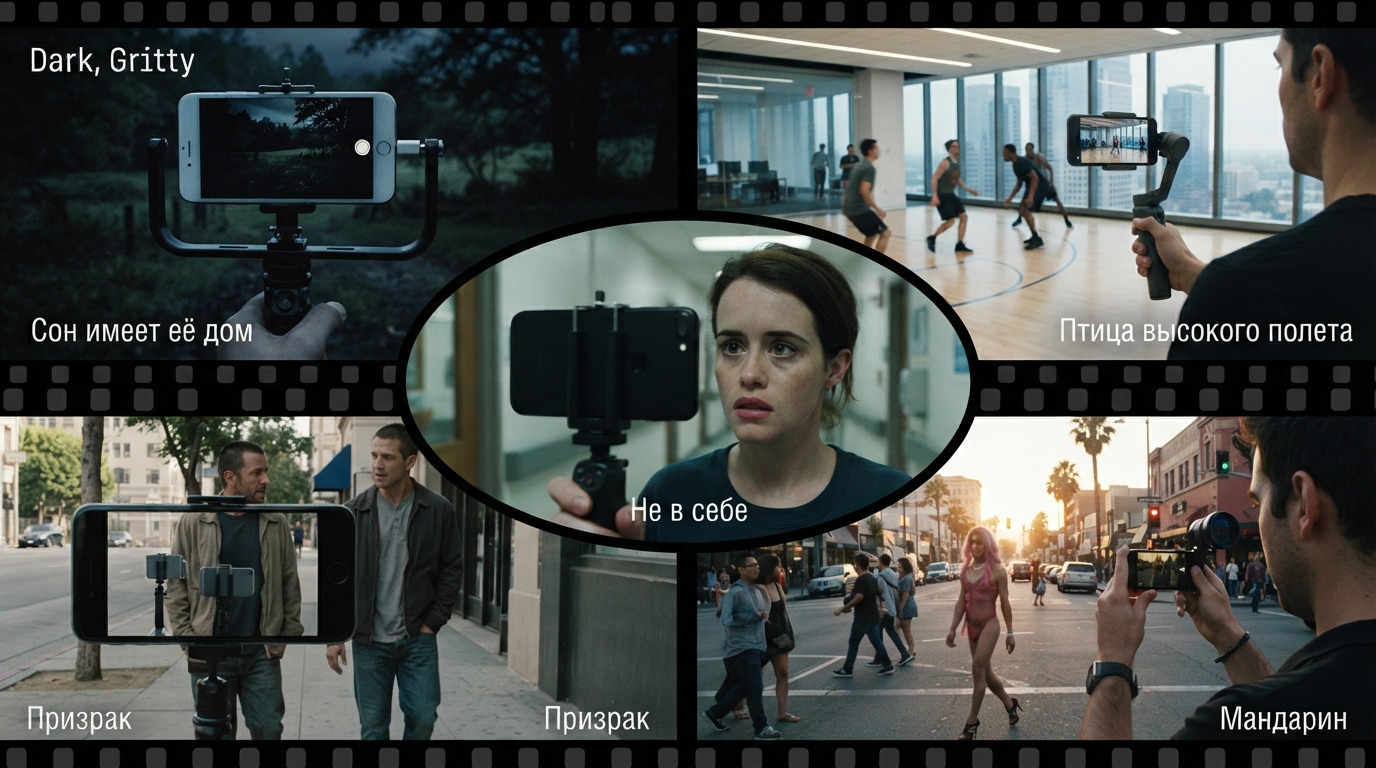
Five recognized global movie hits were shot on ordinary cameras of old iPhone models
Modern filmmaking is continuously changing thanks to the development of hardware and the emergence of new professional shooting formats. In addition to large IMAX-format cameras, creators are increasingly turning to mobile devices to produce full-fledged feature projects. Apple iPhone smartphones allow for shooting both independent films and large-scale blockbusters when using additional stabilizers or interchangeable lenses. This approach provides high image quality while significantly reducing the cost of renting expensive professional equipment during long shoots.
The experimental horror film Sleep Has Her House was shot entirely by British director Scott Barley using just a single iPhone 6 Plus smartphone. The picture combines static natural landscapes with a tense soundtrack and dispenses with professional actors and complex sets in the frame. Viewers and some critics note the high visual detail and the mobile camera's ability to convey a deep atmosphere of darkness. Although the film has no official rating on Rotten Tomatoes, positive user reviews compensate for this, especially regarding the unique technical experience of watching night scenes on a big cinema screen.
Steven Soderbergh's sports drama High Flying Bird clearly demonstrates the technical capabilities of the iPhone 8 in combination with special lenses and external stabilization systems. The plot focuses on an agent's work during a professional lockout in the NBA basketball league, which required dynamic shooting in office interiors. Rotten Tomatoes critics rated the film with 91 percent approval, noting how effectively the compact camera helps create unusual angles. Shooting on a mobile device allowed the cinematographer to move freely in the confined spaces of glass buildings and capture sharp shots without massive tripods.
The psychological thriller Unsane became Steven Soderbergh's first major project shot exclusively on an iPhone 7 Plus camera. This choice of equipment helped create a sense of claustrophobia and constant surveillance of the main character, who finds herself in a psychiatric hospital against her will. Professional critics gave the film an 80 percent positive rating on Rotten Tomatoes, specifically noting Claire Foy's compelling performance. The small size of the device made it possible to place the lens very close to the actors' faces, which significantly heightened the emotional tension in key scenes of this disturbing story about stalking.
The drama film Ghost tells the story of a man's life after his release from prison and his sincere attempts to rebuild his relationship with his adult son in a modern environment. The film received a maximum 100 percent approval rating from critics on Rotten Tomatoes due to its special sense of presence and the intimacy of its visuals. Viewers note that shooting on an iPhone makes the viewing experience feel like watching real events without the sense of interference from a large film crew. The smartphone's technical capabilities allowed for capturing everyday conversations and long walks through the city under natural light without losing detail clarity or distorting colors in the frame.
The film Tangerine, directed by Sean Baker, was shot entirely on three iPhone 5s smartphones using special software and anamorphic lenses. The plot describes the adventures of a transgender sex worker in Los Angeles, which required exceptional mobility and speed during filming on busy streets. The project received 96 percent positive reviews from film critics and became a benchmark example of using budget technologies to create high-quality cinema. The aesthetic of phone shooting provided a high level of authenticity that, according to reviewers, is difficult to reproduce using traditional, bulky Hollywood equipment on large film sets.