

Environmentalists sound the alarm
A signal for the Pamir and Tian Shan: Environmentalists demand closing the mountains to mega hydro projects
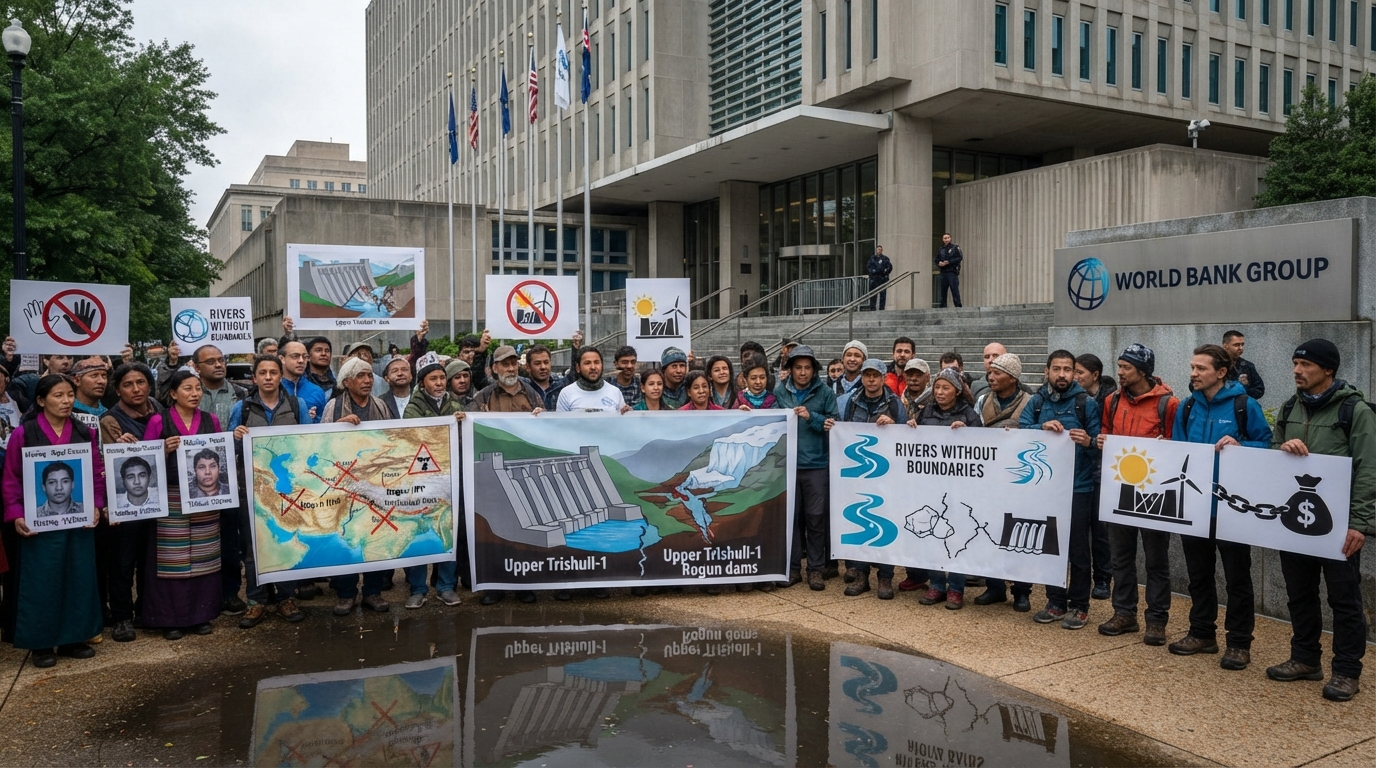
**Environmentalists Sound the Alarm**
The disaster in the Himalayas, which claimed thousands of lives, has prompted environmentalists to issue a tough ultimatum to the World Bank. More than a hundred environmental organizations from around the world, including the Rivers without Boundaries coalition, demanded an end to the financing of large high-mountain hydroelectric power plants. According to environmentalists, the tragedy in Nepal is a direct danger signal for Central Asia as well, where giant dams are being built in seismically risky areas of the Pamir and Tien Shan mountains with the support of international lenders.
A rock and ice avalanche in the Bhote Koshi-Trishuli valley on August 26, 2026, triggered a devastating flood. According to the Nepalese government as of late September, 1,450 people died, and more than 5,200 others are listed as missing. Approximately 500 of them were employees of the $650 million Upper Trishuli-1 HPP currently under construction. The project is funded by a consortium led by the World Bank Group, with the participation of the Asian Development Bank (ADB). Physical and economic damage from the destruction of 13 hydroelectric power plants in the region reached $1 billion. To restore the energy sector, Kathmandu is now requesting $2.5 billion — more than half of all the funds needed to eliminate the consequences of the disaster.
On October 12, a coalition of 111 non-governmental organizations, including Rivers without Boundaries and International Rivers, sent a letter to World Bank President Ajay Banga. The signatories demand an immediate moratorium on the construction of cascades of large HPPs. They insist on recognizing rivers in unstable mountain systems such as the Himalayas, the Hindu Kush, and the Pamirs as zones closed to mega-infrastructure.
Environmentalists point to a systemic failure in risk assessment. The danger of glacial lake outburst floods and high seismicity in the Trishuli Valley had been known since 2017. Nevertheless, World Bank entities underestimated the likelihood of natural disasters and continued funding even after warnings from independent experts and local accidents at the construction site.
The Himalayan scenario could well repeat itself in Central Asia. In its appeal, the coalition explicitly names the Rogun HPP in Tajikistan as an example of a project that received approval without a reliable assessment of environmental threats and plans to mitigate them. The giant HPP on the Vakhsh River in the Amu Darya basin is set to become the world's tallest embankment dam at 335 meters. The project is being implemented under conditions of vulnerability similar to Nepal's: rapid melting of glaciers, the risk of mudflows, and earthquakes.
Despite the status of a high-risk project, the World Bank continues to support the Rogun HPP. The total amount of funds allocated by the bank has reached $650 million. The bank's Board of Directors approved the latest tranche in the form of a $300 million grant in the summer of 2026, and in early October it was ratified by the Parliament of Tajikistan. In parallel, a pool of international donors is being formed around the Rogun HPP to attract approximately another $3 billion. Construction is underway alongside power generation — the height of the dam has reached 190 meters, and two turbines have been launched.
The situation in Central Asia is exacerbated by the transboundary nature of its rivers. The construction of giant dams, such as the Rogun HPP in Tajikistan or the Kambarata-1 HPP in Kyrgyzstan, directly affects the water supply of neighboring countries in the region. Large-scale intervention in hydrology poses a threat of ecosystem degradation, including UNESCO World Heritage sites, and is capable of escalating disputes over water resources against the backdrop of climate change.
The authors of the letter urge the World Bank to abandon the practice of financial closure of deals prior to the completion of all expert reviews and the approval of emergency action plans. As an alternative, lenders are encouraged to direct funds toward diversifying the power systems of dependent countries: developing solar and wind generation, creating energy storage systems, and modernizing power grids. Continuing to invest in climate-vulnerable hydropower, in their view, makes international institutions complicit in future disasters.