

Elections in Israel: Arabs recording a historic result
The final result of the parliamentary elections held in Israel is still not clear. The final deadline for announcing official results is November 4. With 97 percent of the votes counted, the number of seats Netanyahu's bloc will receive has decreased by one, and a similar situation is seen in the opposition; however, surprising everyone, the Arabs are gaining 19 seats.
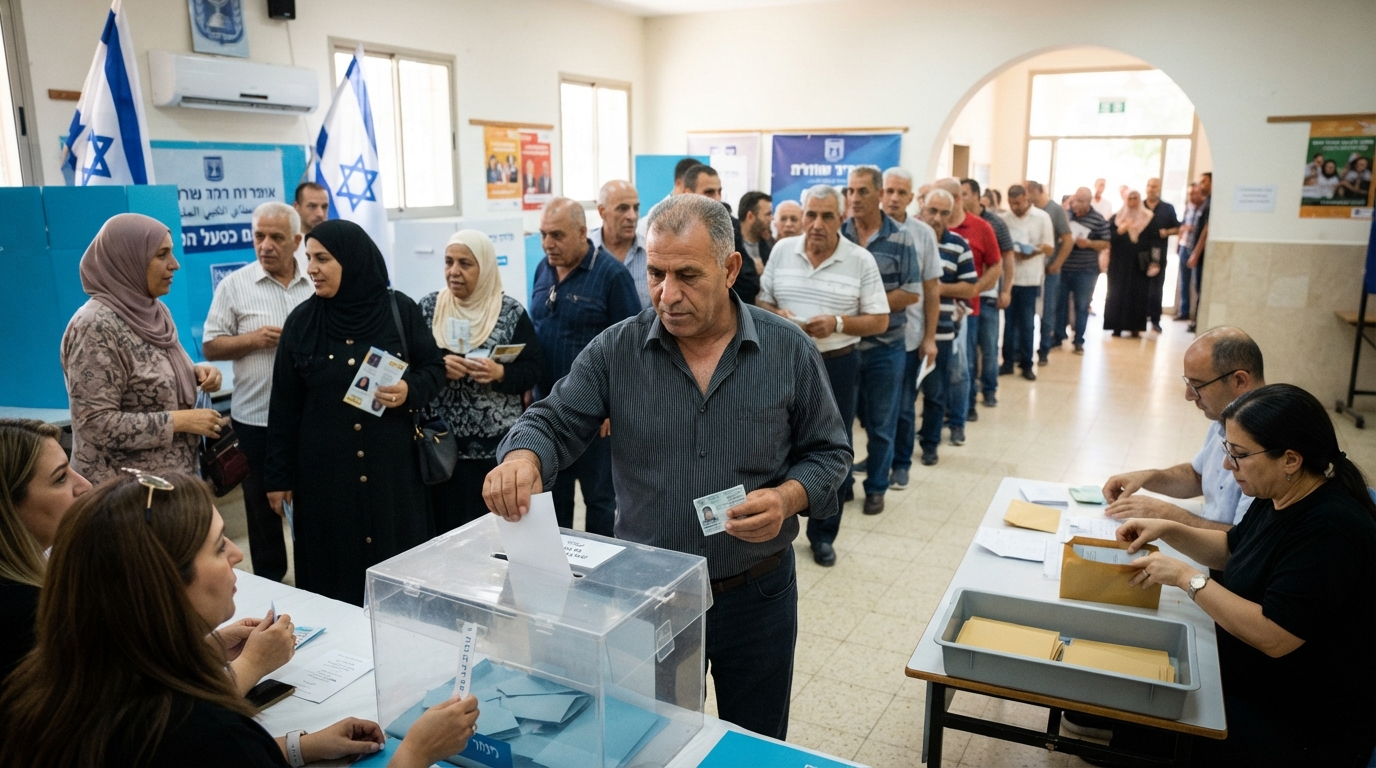
**Elections in Israel: Arabs record a historic result**
**Why are the Arabs so active?**
When talking about Israel, many people forget that at least 21 percent of this country's population are Arabs. The Arabs also have several parties in Israel. In this year's elections, these Israeli Arabs surprised everyone. Turnout in the cities where they live was extraordinarily high. People went to the polling stations from the morning and voted for their party. On election day, Netanyahu was angered by the activity of the Arabs and called on his supporters to "quickly leave their homes and vote."
In Israel, Arabs are not allowed into the government. However, because democratic institutions function in this country, it is also impossible to restrict the rights of Arabs. Of course, if it were up to Netanyahu, Smotrich, and their radical supporters, they would have driven the Arabs out, but the state does not consist only of them.
Since its founding, Israel has been occupying Palestinian lands. Not all the people in the occupied territories leave, and those who remained continued to live as citizens of Israel. Currently, about 2.2 million Arabs live in Israel. And these Arabs are no different from the Arabs in Palestine, they are the same people, excluding the Druze, of course.
These very Arabs saw what state the Netanyahu government has brought Palestine to. The election was a legal opportunity for them to show that they were against Netanyahu. The Arabs were more active than ever and supported their parties. As a result, Netanyahu panicked and published posts. According to current estimates, the Arabs are gaining 19 parliamentary seats. Neither the ruling bloc nor the opposition managed to get the required 61 votes, and now the Arabs have a substantial political leverage.
**Double-envelope votes**
Yesterday, the election results were counted quickly, but the results of a small portion of the votes are not coming out yet. Unsurprisingly, these are double-envelope votes, and counting them takes time. That is, the military, diplomats, people in hospitals, prisoners, and citizens permitted to vote outside their registered polling station. Do not confuse this, we are not talking about the votes of Israelis abroad. Israeli citizens who are abroad cannot vote in the election, those are the rules.
So, the process of counting the double-envelope votes is ongoing. According to various estimates, this means more than 400 thousand people. Why double envelopes? The ballot cast into the box truly consists of two envelopes. The voter's name and address are written on the first envelope. After the first envelope is opened, it is checked whether this person voted at their main polling station. Then they record the vote in the second envelope. This process takes more time.