

Election in Latvia: who will the Russian-speaking population vote for?
On October 3, parliamentary (Saeima) elections are being held in Latvia. While previously a large portion of Russian-speaking voters supported the "Harmony" party, now several political forces are competing for their votes. The war in Ukraine, language policy, economic problems, and dissatisfaction with the government have divided this electorate into various groups.
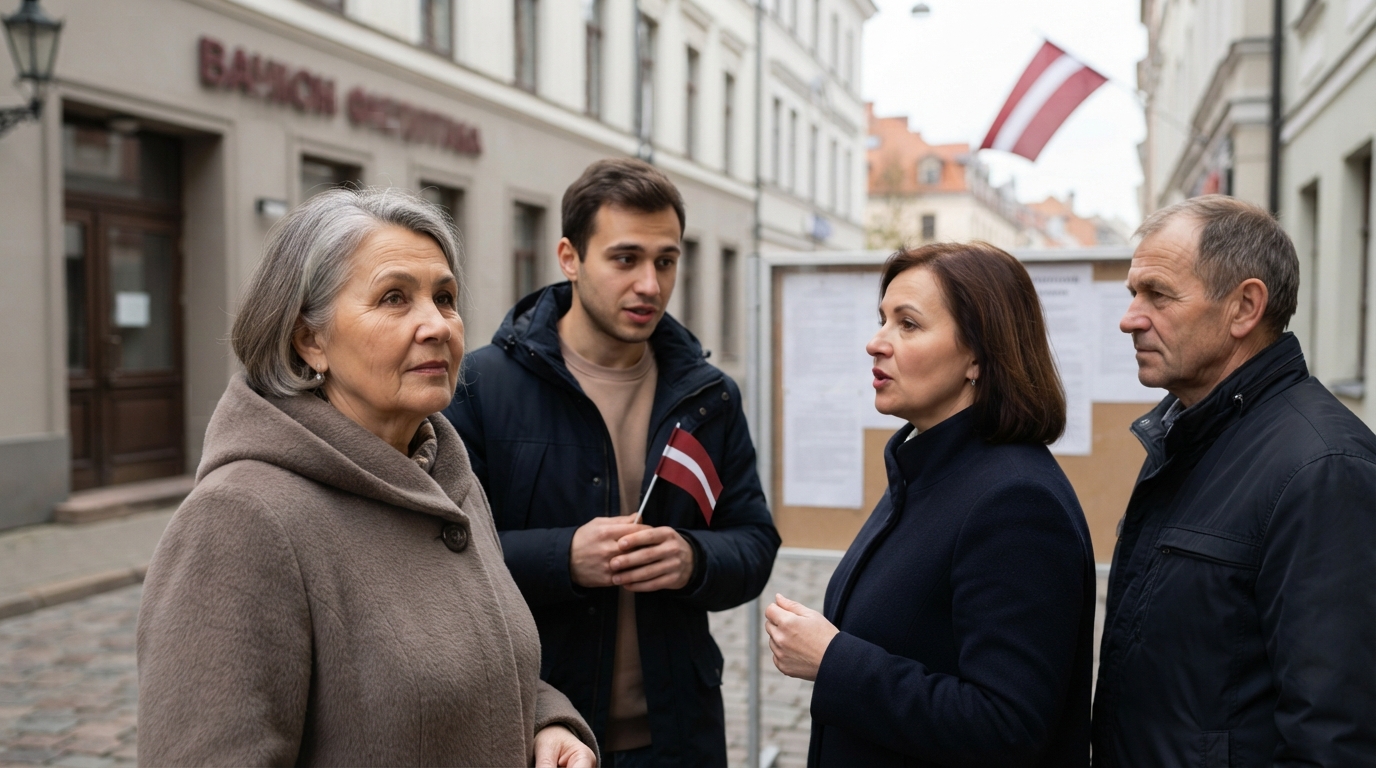
**Elections in Latvia: Who will the Russian-speaking population vote for?**
According to DW's analysis, the views of Russian-speaking voters cannot be explained solely by their attitude towards Russia. They are also concerned about social policy, the economy, the status of the Russian language, and the state's attitude towards national minorities.
While some support Latvia's European direction, others favor maintaining pragmatic ties with Moscow. Another group of voters is completely dissatisfied with the policies of the current government.
**The Russian-speaking population is not monolithic**
According to the report, ethnic Russians make up about a quarter of Latvia's population. Meanwhile, more than 37 percent of the population considers Russian to be their mother tongue. These two indicators represent different concepts — ethnic affiliation and mother tongue.
According to a study by the Friedrich Ebert Foundation, about 80 percent of Latvians support official Kyiv. Among Russian-speaking and mixed families, this figure is about one-third.
At the same time, the study showed that the majority of the Russian-speaking population also does not approve of Vladimir Putin's policies. However, a critical view of Putin does not mean supporting all decisions of the Latvian government.
**Language policy is one of the reasons for dissatisfaction**
DW writes that after 2022, Soviet monuments began to be removed in Latvia, and Russian-language signs and inscriptions were reduced. Education in national minority schools is being transitioned to the Latvian language.
The report notes that the import of books from Russia was banned from September 1, and next year, public media broadcasts in Russian will practically cease.
Culturologist Deniss Hanovs believes that such a policy could increase the alienation of the Russian-speaking population from the state. In his opinion, constantly viewing a large population group with suspicion negatively affects trust in society.
Riga residents interviewed by DW also raised issues of equal treatment regardless of language, social protection, and attention to the elderly.
**Nearly 160,000 people cannot vote in the election**