

Parliamentary elections have begun in Russia
On September 18, three-day voting to elect deputies of the State Duma began in Russia. Polling stations first opened in Kamchatka and Chukotka, and voting will continue until September 20.
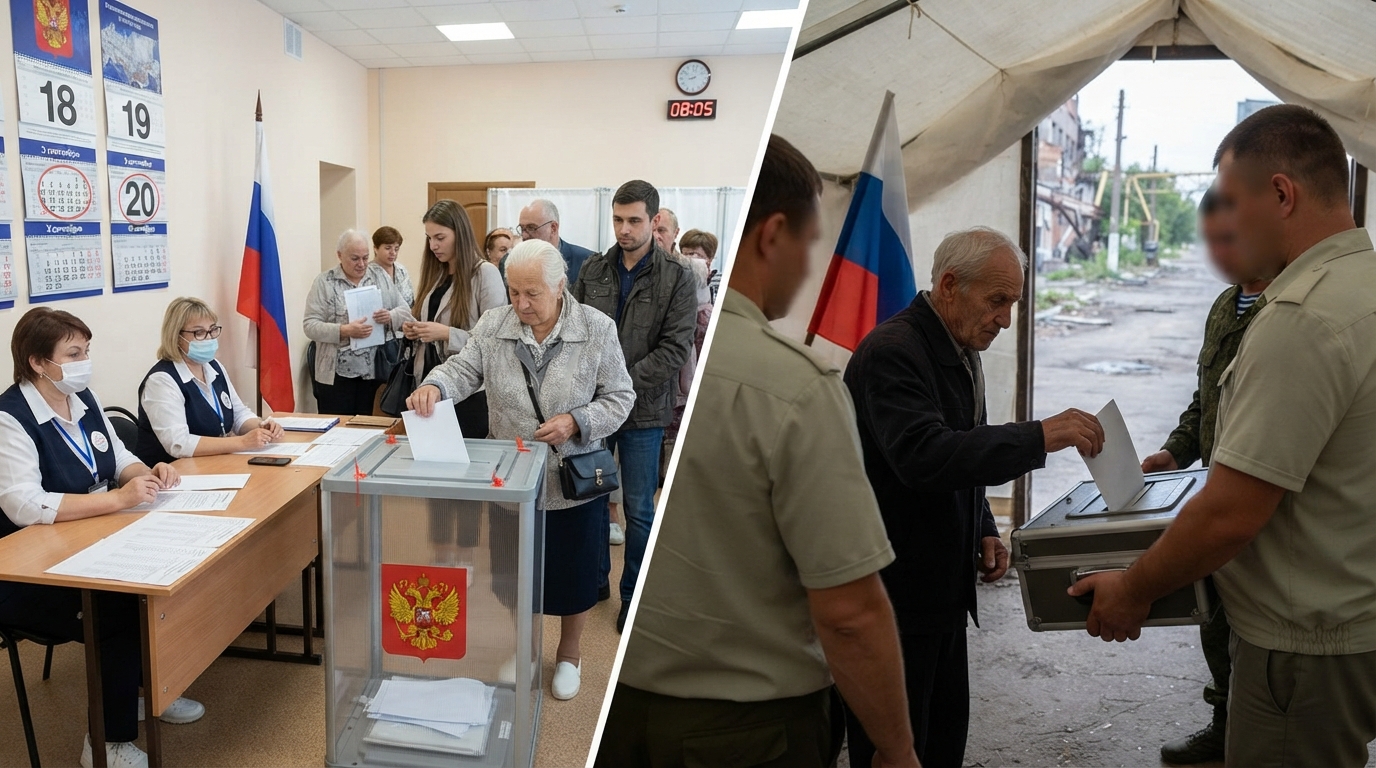
Parliamentary Elections Have Begun in Russia
In Russia, elections to the State Duma officially started on Friday, September 18, at 08:00. Due to the time difference between the country's regions, polling stations in Kamchatka and Chukotka were the first to begin operating.
Voting will last for three days — September 18, 19, and 20. Polling stations in the regions will operate until 20:00 local time.
The 450 deputies of the new convocation of the State Duma will be elected based on a mixed electoral system. Half of them — 225 deputies — will be elected in single-mandate constituencies, meaning voters will cast their ballots for specific candidates. The remaining 225 seats will be distributed based on the results of voting for party lists.
According to DW, 10 parties are participating in the party-list election. The "Yabloko" party was previously barred from the party-list election for official reasons. At the same time, some representatives of the party are participating as candidates in single-mandate constituencies in a number of regions.
Voting Was Also Held in Russia-Controlled Territories of Ukraine
The previous State Duma elections in Russia took place in 2021. As part of the 2026 election process, Russia also organized voting in the territories of Ukraine under its control. Ukraine and the majority of the international community do not recognize these territories as part of Russia.
Russian official bodies reported that early voting for military personnel participating in Russia's war against Ukraine, as well as for residents of the Russia-controlled territories of Ukraine, was held from the end of August until September 17.
According to observers cited by DW, the possibilities for independent verification of the voting results in these territories are limited. In particular, it was noted that information about the members of regional election commissions and the addresses of some polling stations were not publicly announced, and open video surveillance was not organized.
Additionally, the use of mobile ballot boxes was permitted. The article also mentions that the Central Election Commission of Russia allowed local commissions to print ballots on-site if necessary and not to submit them to higher election authorities immediately after the votes are counted.