

Economic blockade: Trump's new measure against Iran
The US president has announced the launch of an unprecedented economic pressure campaign against Iran. This measure will increase domestic pressure in Iran, amid inflation, especially rising food prices, but will it force Tehran to accept America's conditions? Political analysts discussed this question in the "Geopolitics" program.
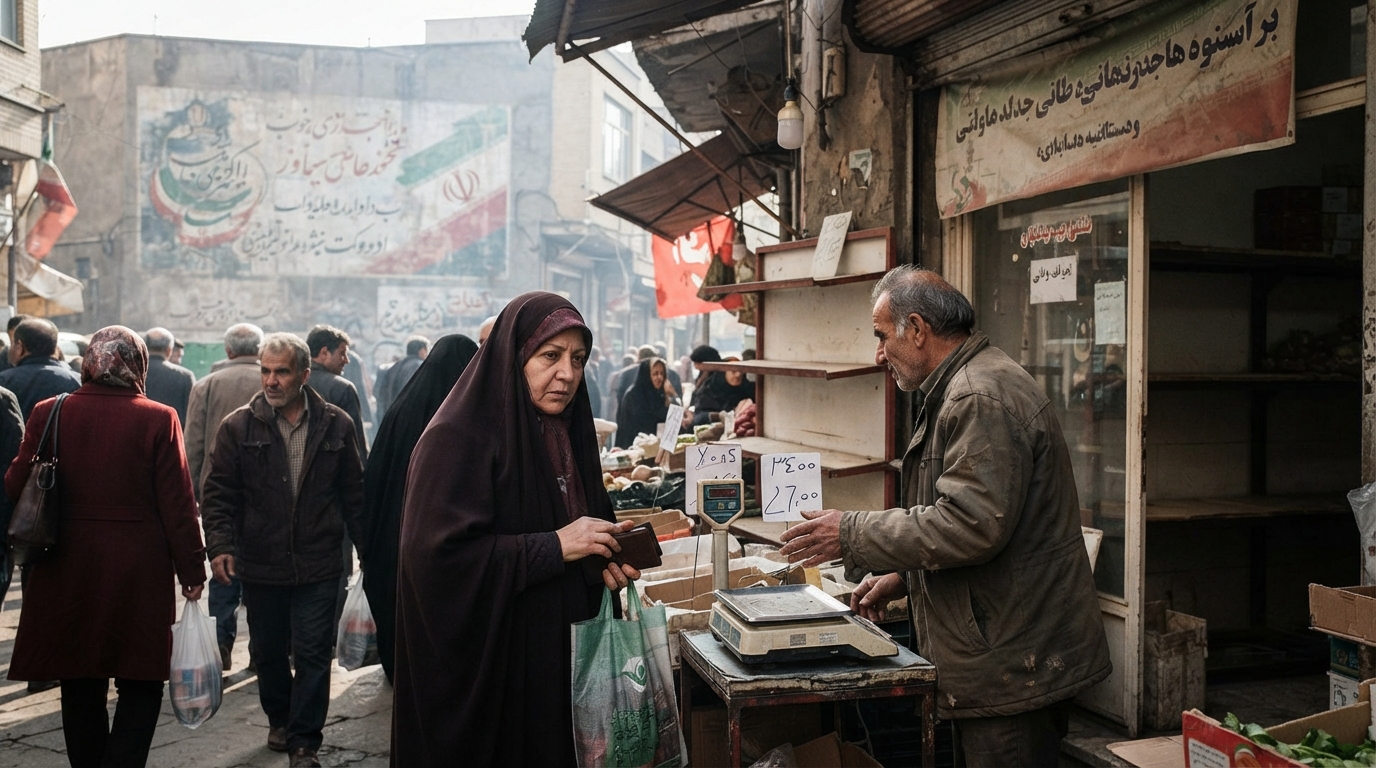
**Economic Siege: Will Trump's New Measures Against Iran Work?**
Will Trump's unprecedented economic measures against Iran work? Iran has adapted to living under sanctions for many years, and Tehran has developed the ability to find alternatives and mitigate the consequences of sanctions. However, it cannot be said that it has developed complete immunity to economic pressure. Nevertheless, Iran has demonstrated for many years that it can survive under sanctions.
The Iranian government and political elite emphasize that it can withstand sanctions. However, economic indicators show that the situation is much more complicated. Iran is currently under military aggression. While the country is defending its sovereignty and independence, it is natural that economic difficulties will increase. However, the fact that there is no end in sight to these difficulties is becoming an increasingly serious problem for the Iranian population. High inflation, constantly rising food prices, and a decline in the standard of living of the population are clear manifestations of this. This is being noted by sources both inside and outside Iran.
What do additional sanctions mean in such circumstances? Iran could lose even more of the trade partners and logistical capabilities it has retained so far. US statements indicate that countries cooperating with Iran could also come under pressure. This will especially affect countries that use Iran's logistical capabilities. For Central Asia, Iran is an important partner that provides access to international maritime trade routes through southern routes. If these transport corridors, which are alternatives to the northern routes, have already been reduced due to the war, new sanctions could further limit their capabilities. Therefore, new sanctions could cause economic damage not only to Iran itself, but also to countries that trade with Iran or use its logistical capabilities.
When the war began, many international analysts underestimated Iran's ability to resist. There were predictions that Iran would not be able to withstand it for long. However, Iran has continued to resist to this day. This shows that the country has political will and a certain level of resilience in society. At the same time, the main question is how long the economy and the population can withstand this.
Ordinary Iranians may support the government's policy of preserving the country's independence, but they also want to see their daily living conditions improve and prevent shortages of food and other essential goods. These problems could become even more acute if the new sanctions come into full force.