

The US is preparing an unprecedented plan to economically isolate Iran
Washington is preparing a new, "unprecedented" package of economic sanctions against Iran. The new measures could affect companies and countries that buy oil from Tehran, including China.
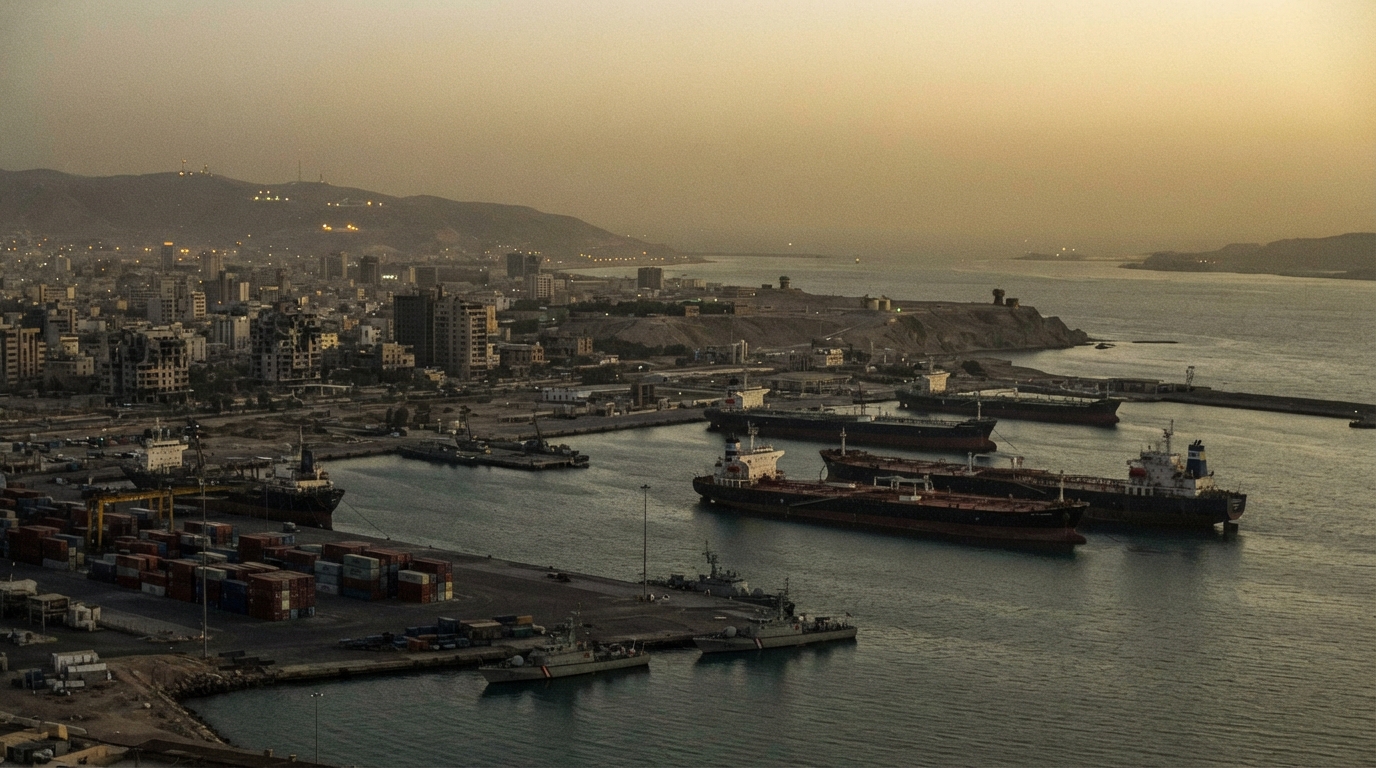
The United States is working on an unprecedented plan to completely isolate Iran economically, US Treasury Secretary Scott Bessent said.
According to Bessent, new announcements are expected next week and the US is planning to take measures that have never been seen in the history of Iran's economic isolation. He noted that these new measures will be part of a "double strike" strategy that also includes continuing to block Iranian ports. The US intends to increase pressure on Tehran and restrict Iran's exports and imports.
The new measures could affect buyers of Iranian oil. One possible measure is the imposition of secondary sanctions on companies and countries that continue to buy from Tehran, including China. Such a step could provoke retaliatory measures from Beijing and further increase pressure on global energy markets.
According to Bloomberg, the US has imposed about 2,200 sanctions on Iran since 2018. However, the years of sanctions have failed to force Tehran to give up its nuclear program and control over the Strait of Hormuz. Mohammad Reza Naqdi, an adviser to the commander-in-chief of the Islamic Revolutionary Guard Corps (IRGC), said on August 12 that Tehran was considering prolonging the conflict until the end of Donald Trump’s term as one of the measures to ensure its security.
The sides agreed to a ceasefire in June, but talks on a long-term solution have stalled. In August, the US said it was ready to maintain a naval blockade of Iran indefinitely. Washington is demanding free shipping, while Tehran is demanding concessions in exchange for the full opening of the strait. Iran’s conditions include the lifting of sanctions, the withdrawal of American forces, and compensation for war damage.
Iran’s economy has already suffered serious damage. Officials estimate that the war cost more than $270 billion in April. US and Israeli strikes have crippled much of Iran’s industry. The country’s largest steel mills and petrochemical complexes have been hit. The FT estimates that the war has cost some 2 million people their jobs. By early summer, annual inflation in Iran was approaching 90 percent.
The fighting has already led to a sharp decline in oil supplies from the Middle East. Gulf oil and condensate exports were about 10.7 million barrels per day in July, down 40 percent from pre-war levels. Before the conflict began, traffic through the Strait of Hormuz, through which a fifth of the world's oil and gas supplies passed, was still blocked.