

Danish authorities have been forcibly reducing the birth rate in Greenland for decades.
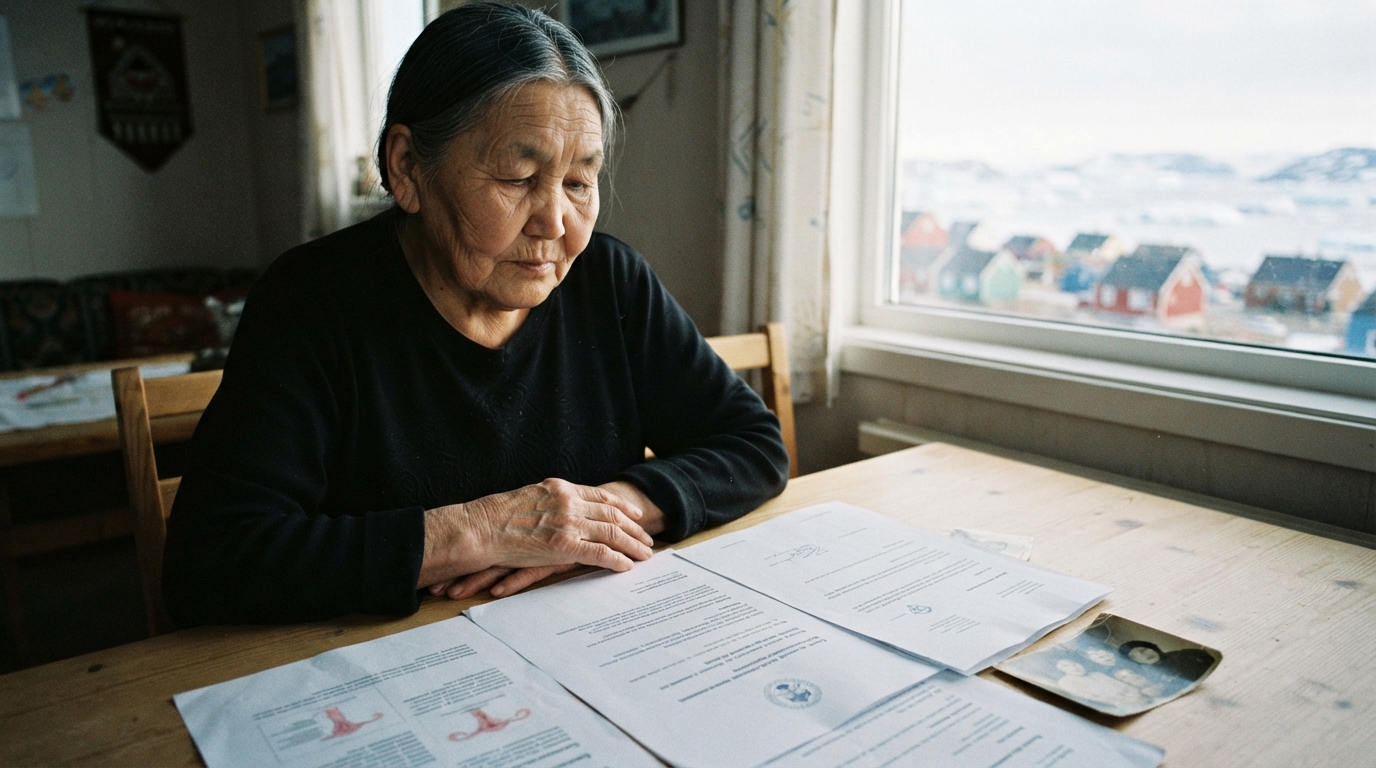
For decades, Danish authorities in Greenland pursued a policy aimed at reducing the birth rate among the indigenous population. Thousands of women and girls were fitted with intrauterine devices and given contraceptives without their consent.
A joint investigation conducted by Denmark and Greenland revealed that from 1966 to 1991, at least 4,000 Greenlandic women and girls were subjected to such procedures. At the time, Danish authorities believed that limiting population growth and reducing family size would improve living standards, social conditions, and healthcare on the island.
For some women, the consequences were severe: they suffered severe bleeding, infections, and damage to the fallopian tubes, and in some cases, hysterectomies were required. Some women lost the ability to have children as a result.
In 2024, the Greenlandic government commissioned experts to determine whether this practice violated human and indigenous rights and whether it amounted to genocide. During the commission's deliberations, disagreements arose, leading two of the four experts to leave the group and prepare a separate report.
Both documents, published on August 28, confirmed violations of women's rights, including the rights to private and family life, equality, and protection from cruel or degrading treatment. However, the experts disagreed on whether this policy constituted genocide.
To qualify as genocide, it is necessary to prove not only the use of measures to prevent births within a particular ethnic group, but also the intent to destroy that group, in whole or in part. The authors of the separate report found no evidence that authorities or health professionals sought to exterminate the Greenlandic Inuit.
Another document notes that it is impossible to prove such intent based on contraceptive practices alone. However, its authors acknowledged that their assessment could change when examining other cases of Inuit rights violations by Denmark. A final decision on this matter can only be made by a court.
Greenlandic Prime Minister Jens-Frederik Nielsen announced his intention to establish a reconciliation commission to examine the incident. Danish authorities previously apologized to the women involved, and on August 27, they passed a law awarding each of them compensation in the amount of 300,000 Danish kroner (approximately $46,800).