

Afghan woman deported from US in first use of secretive 'alien terrorist' court
The legal US resident was never charged with a crime, but was deported due to her family links to terrorism.
Afghan woman deported from US in first use of secretive 'alien terrorist' court
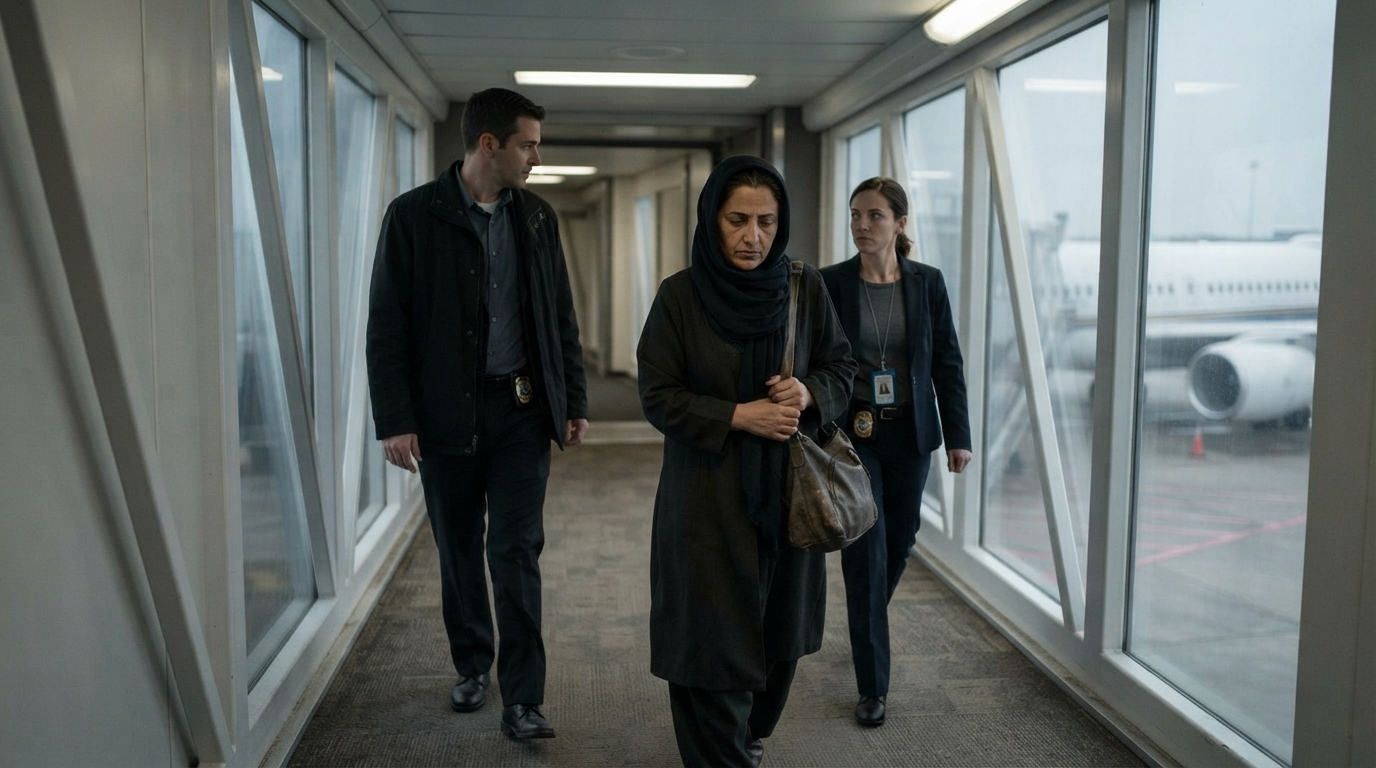
An Afghan woman who lived in Texas as a lawful US permanent resident has been removed from the country in the first known use of a secretive court.
Nazira Haji Zada, 47, opted to leave the US rather than keep fighting her case before the Alien Terrorist Removal Court, according to the US Department of Justice (DOJ) and her attorneys.
The Alien Terrorist Removal Court was established in 1996, but it had never handled a case before the July proceedings. It is intended for non-US citizens accused of terrorism-related offenses when the evidence is confidential and tied to national security.
Lawyers for Haji Zada said the case breached her right to due process under the US Constitution.
Haji Zada, an Afghan citizen, was never charged with a crime, though prosecutors had tried and convicted her son and son-in-law on terror charges.
Her son, Abdullah Haji Zada, and son-in-law, Nasir Ahmad Tawhed, were both convicted in a plot to carry out a mass shooting on Election Day in 2024, inspired by the group calling itself Islamic State.
Haji Zada, who had been living in Fort Worth, Texas, was accused by prosecutors of being the group's "matriarch" and of having worked "to radicalize the family".
In a statement on Friday, the justice department said she "conceded that she is an alien terrorist and waived appeal of the removal order, terminating her previous [immigration] status".
"This landmark case, resulting in the prompt removal of this alien terrorist to her country of origin, is a win for national security and the rule of law," said US Attorney General Todd Blanche.
Court-appointed lawyers for Haji Zada said they were denied access to the evidence in her case.
"Our client's choice to consent to removal should not be seen as an endorsement of this court's legitimacy," public defenders Matthew Farley and Mary Manning Petras said in a statement to The Washington Post.
"Dragging lawful permanent residents into court but refusing to show them or their attorneys the evidence that will be used against them is a plain violation of due process. We are confident that the Alien Terrorist Removal Court will be struck down as unconstitutional as soon as a judge is asked to address the issue," they said.