

Uzbekistan, Pakistan to Expand Digital Customs Cooperation
Uzbekistan and Pakistan have agreed to expand digital customs cooperation, utilizing artificial intelligence and risk management tools.
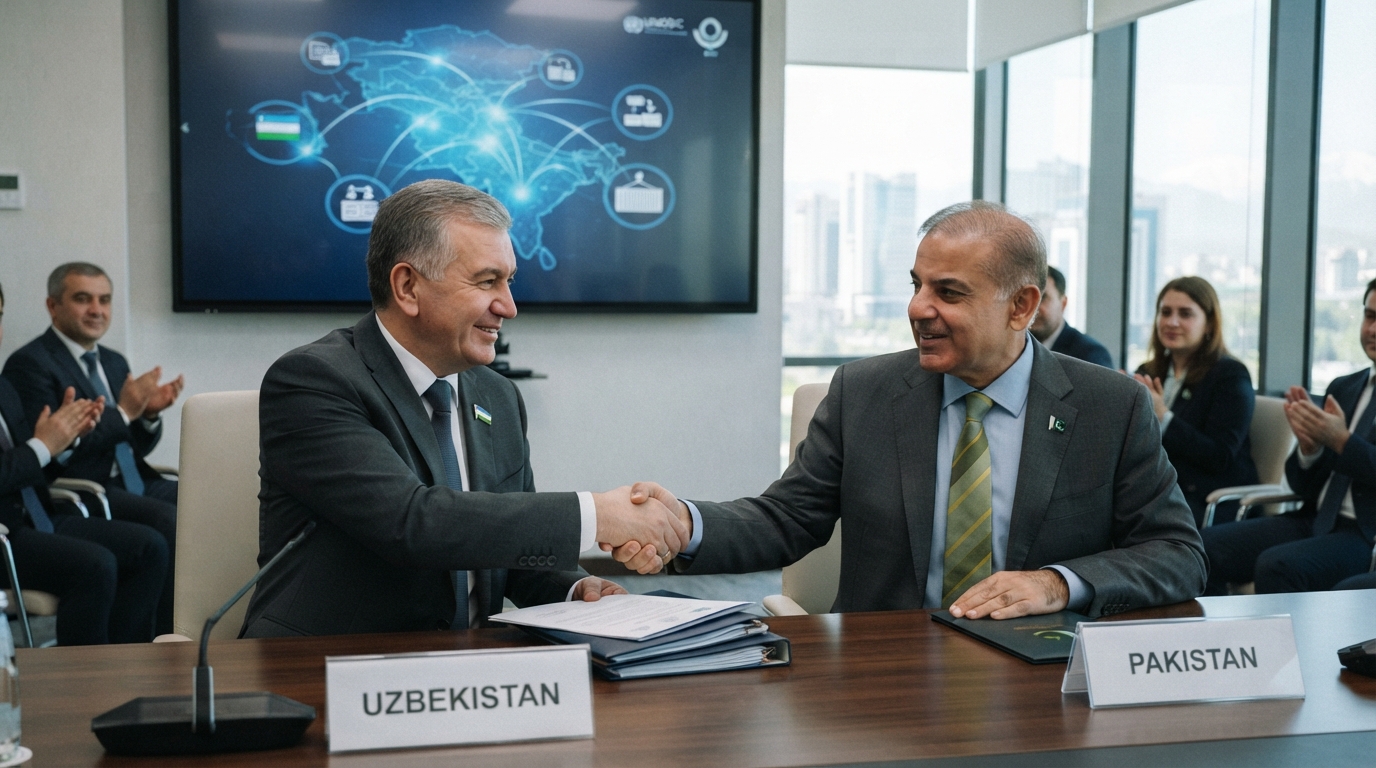
Uzbekistan and Pakistan have committed to broadening the collaboration between their customs agencies, focusing on the increased adoption of digital technologies, artificial intelligence, and contemporary risk management strategies.
These understandings were forged during discussions between delegates from both nations, held concurrently with an international conference for the Passenger and Cargo Control Programme. This event was co-hosted in Tashkent by the United Nations Office on Drugs and Crime and the World Customs Organization.
As reported by the newspaper Dawn, the Pakistani contingent was headed by Syed Shakeel Shah, the Member for Customs Operations at Pakistan's Federal Board of Revenue. During their dialogue with the First Deputy Chairman of Uzbekistan's Customs Committee, the participants explored avenues for further digitizing customs administration, refining the oversight of transit shipments, and deploying analytical instruments to identify infractions.
Significant emphasis was placed on leveraging artificial intelligence and machine learning within risk management frameworks, establishing national targeting hubs, and fostering real-time customs information exchange to bolster the security of regional commerce.
The Pakistani delegation highlighted that Uzbekistan was the inaugural nation with which Pakistan initiated a preliminary exchange of data concerning import and export transactions via the Pakistan Single Window platform. Attendees of the meeting recognized this mechanism as a pivotal achievement in the evolution of digital engagement between the customs services of the two countries.
Both parties also consented to broaden electronic data interchange to encompass transit cargo transportation. This initiative is projected to expedite customs clearance, elevate the efficacy of border inspections, and guarantee a more secure and fluid movement of merchandise.
Moreover, representatives from both countries reaffirmed their commitment to advancing cooperation in the reciprocal recognition of Authorized Economic Operator programs, the acknowledgment of regulatory documentation, the expanded utilization of artificial intelligence and data analytics in customs control, and the reinforcement of synergy between governmental bodies and the business sector.
Subsequent to the discussions, an accord was reached to form technical working groups tasked with formulating agreements on key areas of collaboration.
Dawn indicates that the execution of these initiatives is anticipated to foster deeper digital integration, propel regional trade, and augment the efficiency of transit transport.