

Uzbekistan may supply Kyrgyzstan with nearly 20,000 tons of petroleum products monthly
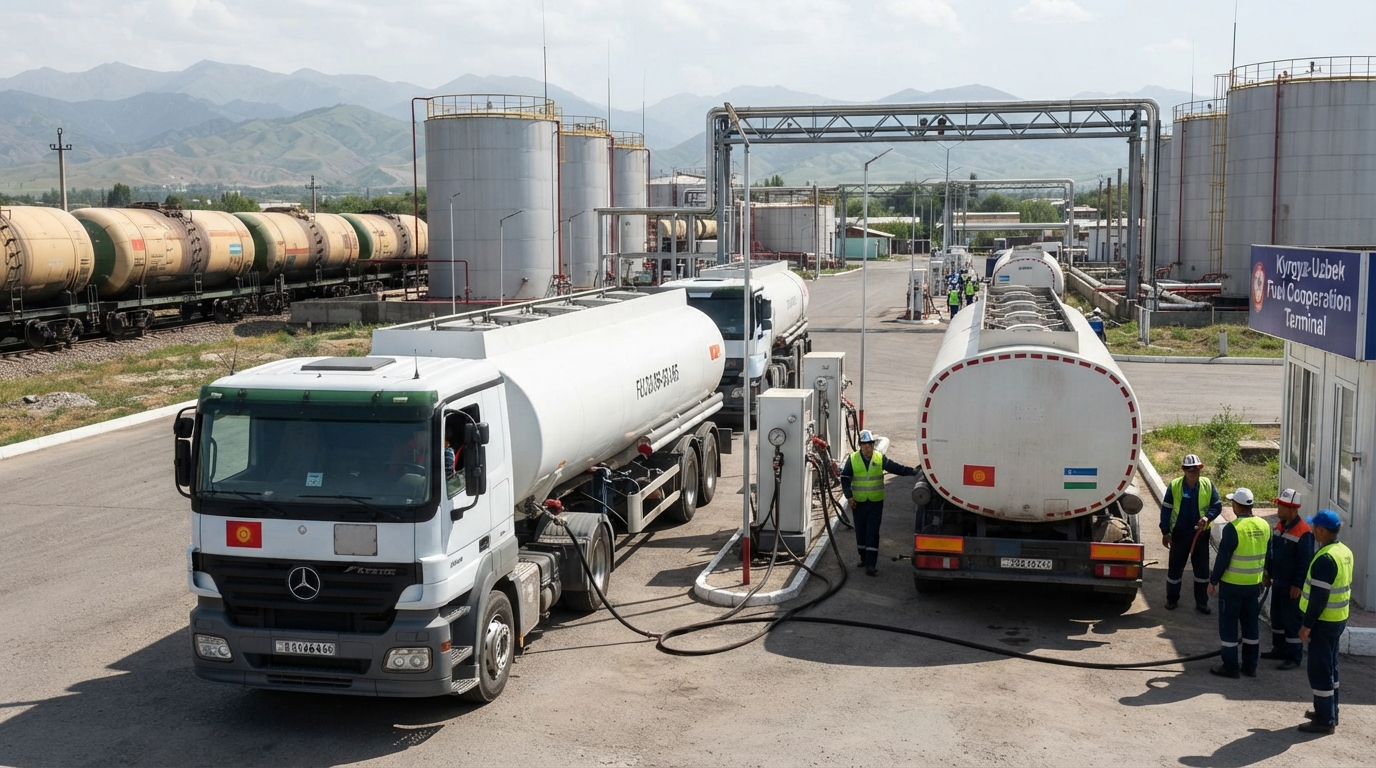
Uzbekistan is poised to provide Kyrgyzstan with approximately 20,000 tons of petroleum products each month, following the refining of imported crude oil. This was stated by Kyrgyz Prime Minister Adylbek Kasymaliev in an interview with Kabar, as Kyrgyzstan seeks new fuel sources due to increasing difficulties with supplies from Russia.
Kyrgyzstan is currently in discussions with Uzbekistan regarding potential fuel shipments, aiming to diversify its imports and lessen reliance on a limited number of suppliers. Kasymaliev noted that Uzbekistan has expressed its readiness to deliver nearly 20,000 tons of petroleum products monthly, after processing imported crude oil at its own refineries.
This potential agreement emerges as Kyrgyzstan encounters growing obstacles in obtaining fuel from Russia, its primary historical supplier. Kasymaliev explained that Kyrgyzstan imports over 90% of its fuel and lubricants, making domestic prices highly susceptible to global market conditions, geopolitical events, and transportation expenses.
He cautioned that despite government efforts to maintain stable prices, gasoline and diesel costs would gradually climb. "For now, we are holding prices, but they will inevitably increase gradually," Kasymaliev stated.
The Kyrgyz government is also investigating alternative supply routes from Belarus, China, Turkiye, and European nations. Fuel imports from Belarus have already commenced, and the initial shipment from China, comprising five tanker trucks, has reached the country.
Authorities are also contemplating rail transport for fuel, as road deliveries are more costly. Potential supplies from Turkiye and European countries would necessitate transit across the Caspian Sea and through several nations, which could potentially raise the final price of fuel.
Currently, the government subsidizes the prices of diesel, liquefied petroleum gas, and AI-92 gasoline. According to Kasymaliev, these fuels remain approximately KGS 20–25 ($0.23–$0.29) cheaper than in Uzbekistan and Tajikistan. However, he indicated that the government could not indefinitely absorb rising fuel costs, as this would require billions of som from the state budget.
In July, Kyrgyzstan implemented a comprehensive prohibition on the export of crude oil and petroleum products, while simultaneously streamlining fuel import procedures. This measure expanded previous restrictions that only applied to exports outside the Eurasian Economic Union customs territory, now encompassing all destinations.