

Kyrgyzstan imposes indefinite ban on fuel exports to prevent shortages.
Kyrgyzstan has introduced an indefinite ban on the export of crude oil and petroleum products by road and rail in an effort to safeguard domestic fuel supplies and prevent shortages..
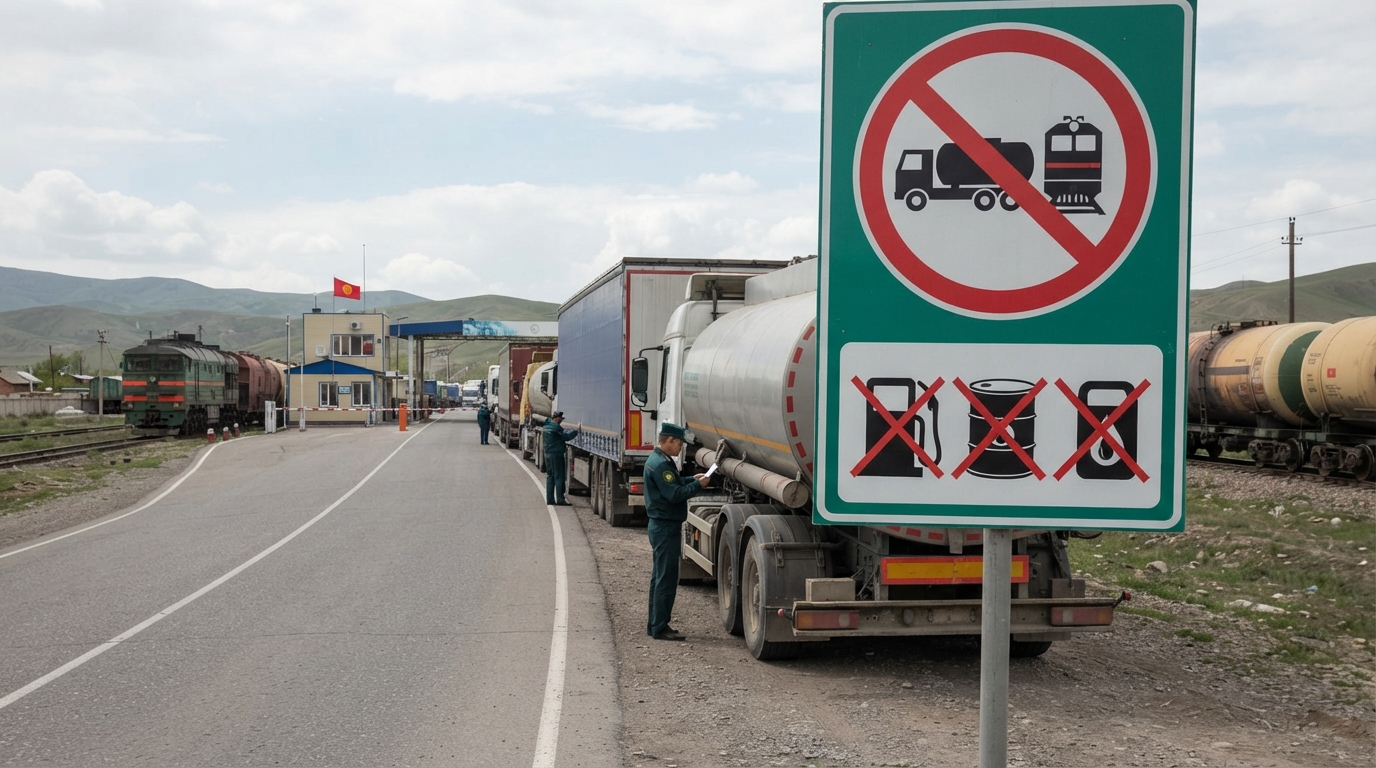
Kyrgyzstan has enacted an indefinite ban on the export of crude oil and petroleum products via road and rail to protect its domestic fuel supply and avert shortages.
The Cabinet of Ministers has approved changes to the regulations governing fuel imports and exports, replacing the previous temporary restrictions with a permanent measure.
As reported by local media outlet 24.kg, this ban will remain in effect until the domestic market is adequately supplied with petroleum products or until the common oil and petroleum products market of the Eurasian Economic Union (EAEU) is established. The restrictions apply to crude oil, gasoline, diesel fuel, and other petroleum products.
The new regulations include several exceptions. Naphtha, fuel oil, and heating oil may be exported if authorized by a separate decision from the Cabinet of Ministers under the customs procedure for processing goods outside the country, as long as the processed products are returned to Kyrgyzstan. Additionally, the restrictions do not apply to fuel in the standard tanks of vehicles crossing the border.
Furthermore, the government has extended until April 1, 2027, an exemption from the temporary ban on the import of certain types of crude oil and petroleum products by road.
The Cabinet of Ministers stated that these amendments aim to ensure the stable operation of the domestic fuel market, prevent shortages of petroleum products, enhance the country's energy security, and guarantee uninterrupted supplies for local consumers.
This decision comes in light of ongoing challenges in fuel supply. Russia, which is Kyrgyzstan's primary supplier of fuel and lubricants, had previously imposed temporary restrictions on the export of gasoline and other petroleum products.
In response, Kyrgyz authorities have implemented fuel import subsidies, state price controls, and tax incentives for importers, while also exploring alternative supply sources.
Kyrgyzstan has recently reached out to Russia, Kazakhstan, Belarus, Azerbaijan, Uzbekistan, and Turkmenistan for help in securing fuel supplies to stabilize the domestic market. Concurrently, the government is working to diversify imports and enhance domestic petroleum production.