

Tashkent to develop 100 tourist and gastronomic streets by 2030
Tashkent plans to establish 100 tourist, gastronomic and 24-hour streets by the end of 2030 as part of a broader effort to expand the capital's tourism infrastructure under a new presidential resolution.
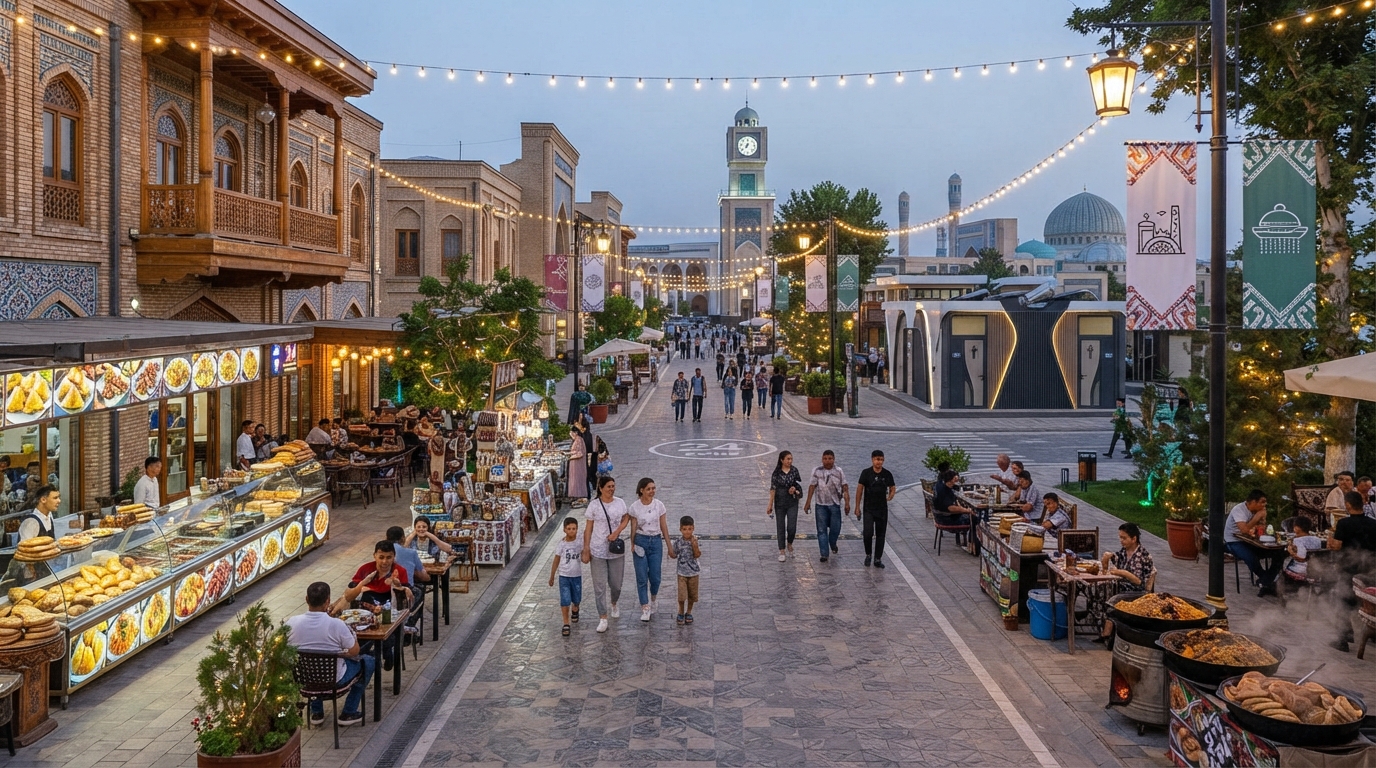
Tashkent is set to establish 100 new tourist and gastronomic streets by the year 2030. This initiative is part of a broader set of socio-economic development strategies for 2026–2027, which received presidential approval from Shavkat Mirziyoyev on July 27.
The comprehensive plan aims to extend the total length of streets dedicated to tourism, gastronomy, and 24-hour operations to 118.4 kilometers by 2030. Chilanzar district is slated to lead this development with 11 such streets. Mirzo Ulugbek, Yunusabad, Sergeli, and Yangihayot districts are each scheduled to develop 10 streets. Almazar, Mirobod, Shaykhontohur, Yakkasaray, and Yashnabad districts will each see the creation of eight streets, while Uchtepa will have six and Bektemir three.
To support tourism infrastructure projects, the government has earmarked UZS 175 billion for allocation by the end of this year. This funding will be sourced from savings within the 2026 state budget.
Furthermore, the approved resolution mandates the construction of 100 public toilets through public-private partnership agreements. These facilities will be strategically placed on central and tourist thoroughfares, in public squares, and near other areas experiencing high foot traffic. Land parcels for these projects will be made available via a streamlined auction process.
Additionally, five contemporary camping zones are planned for development at the entry points to Tashkent. These zones will be constructed on the current sites of Road Safety Service checkpoints, which are scheduled for relocation to the Tashkent region. JSC Tashkent Invest Company has been assigned the responsibility of preparing the necessary project documentation for these camping sites. Investors will be chosen through open online auctions and will be required to fund the construction of the facilities, as well as reimburse the expenses incurred for project preparation.