

Oil prices fall on hopes Strait of Hormuz could reopen
US Secretary of State Marco Rubio and Treasury Secretary Scott Bessent both announced talks had progressed to allow shipments to resume.
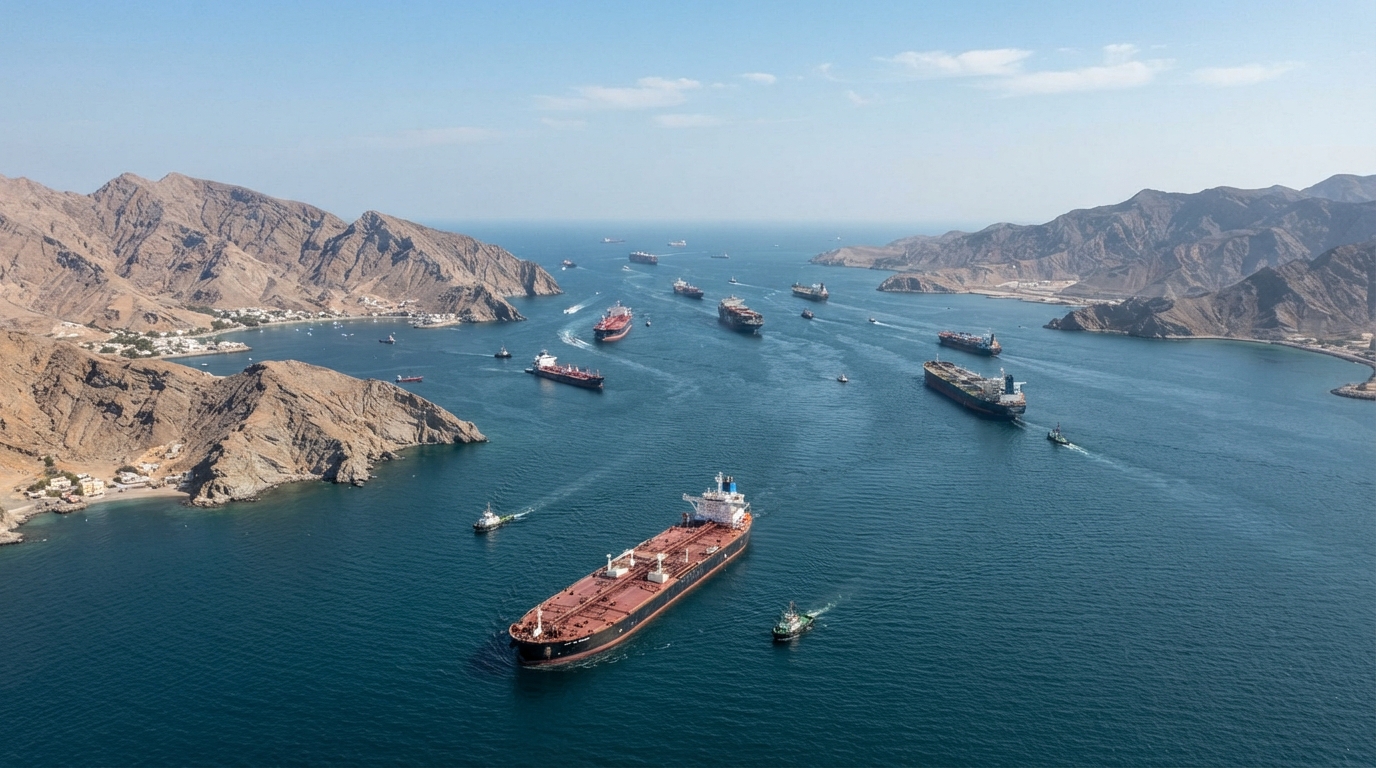
Oil prices reached a three-week low on Tuesday following optimistic statements from high-ranking US officials regarding a potential agreement with Iran to reopen the crucial Strait of Hormuz shipping lane.
Both US Secretary of State Marco Rubio and Treasury Secretary Scott Bessent indicated that discussions had advanced, potentially allowing shipments to recommence as early as this week.
The price of Brent crude, the international standard for oil, dropped by nearly 5% to below $80 per barrel in response to the news that potential supply disruptions might ease.
However, the failure of prior negotiations in recent months to de-escalate the US-Iran conflict has resulted in an unpredictable oil market, ultimately leading to increased fuel costs for consumers at the pumps.
On Tuesday, in addition to the decline in Brent crude, US West Texas Intermediate prices fell by over 5%, reaching $76 a barrel. Both contracts registered their lowest values since July 13.
US Secretary of State Marco Rubio confirmed progress in discussions with Iran and Oman regarding increased shipping traffic through the Strait.
"There's been progress made in those talks, but not finality yet. We're hoping that will happen very shortly," he informed reporters at the State Department.
Bessent suggested that an agreement to reopen the Strait of Hormuz could be finalized as early as Tuesday or Wednesday.
He told CNBC there was a "chance we may have a deal today or tomorrow to open the strait and move towards a more normalized position in this conflict."
When questioned about whether Iran would be permitted to charge for passing ships, he added, "It would be freedom of movement."
While senior US government figures have announced progress in talks, no specifics regarding the potential deal have been disclosed.
The Strait of Hormuz has been a focal point in negotiations between the US and Iran. Before the conflict began in late February, approximately one-fifth of the world's daily oil and liquefied natural gas supplies transited through the waterway.