

Trump scraps threat of 20% fee on Hormuz cargo as US prepares to resume blockade of Iran ports
Trump drops a 24-hour-old vow to charge cargo ships for using the Strait as the US continues its battle to break Iran's hold on the waterway.
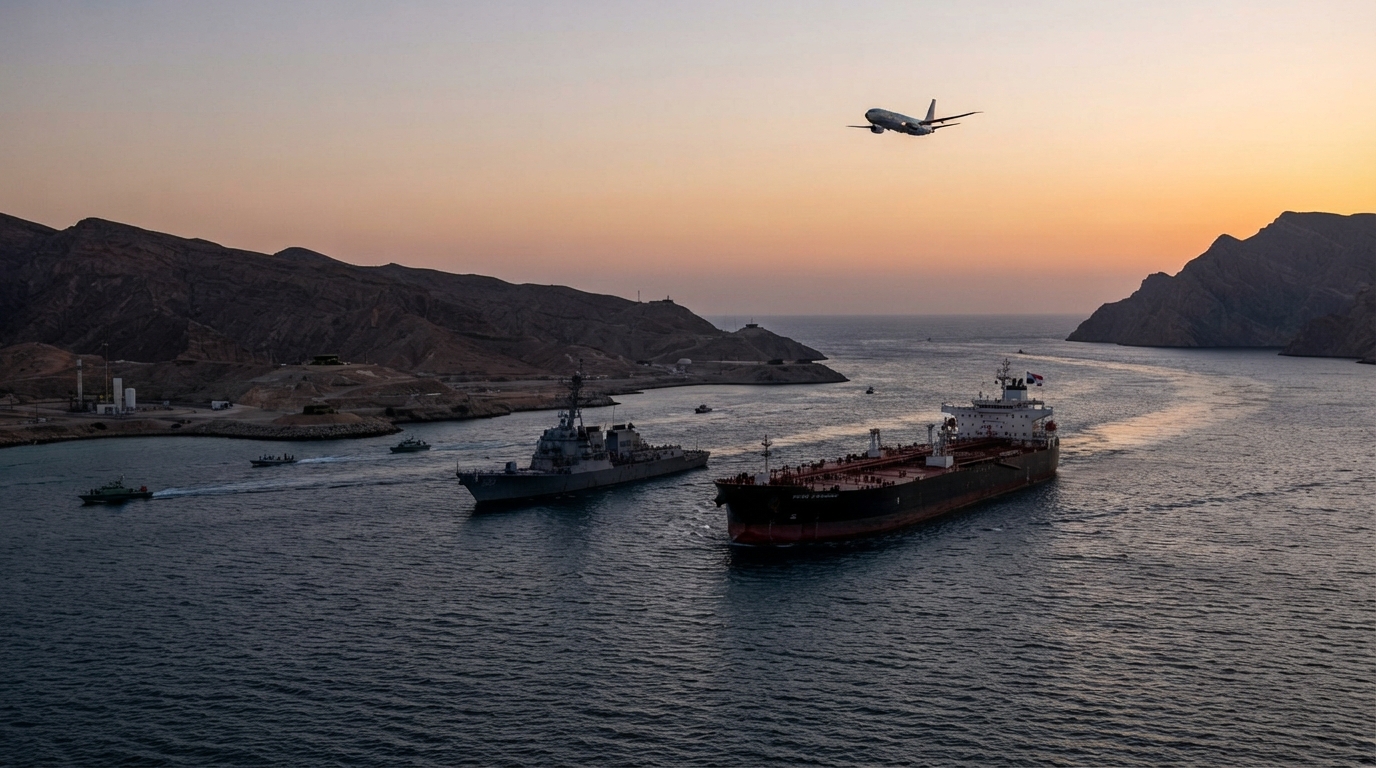
Trump withdraws threat of 20% fee on Hormuz cargo as US prepares to reinstate blockade of Iranian ports
Shipping data indicates a significant slowdown in traffic through the Strait
President Donald Trump has rescinded his earlier threat to impose a 20% fee on all cargo shipping through the Strait of Hormuz, as the US seeks to diminish Iran's influence over the vital waterway. He announced that the fee would be substituted with trade and investment agreements with Gulf nations, just hours before the US is set to resume its blockade of Iranian ports.
This decision comes amid renewed hostilities between the US and Iran, which have led to a sharp increase in oil prices as tanker traffic through the Strait has nearly come to a halt. The US previously stated it had conducted a third consecutive night of strikes aimed at crippling Iran's capacity to target shipping in the region. On Tuesday, Iranian state media reported explosions in several cities, including Bushehr, where a nuclear power plant is located.
Tehran claimed it had struck US military installations in Bahrain and Jordan after previously targeting two tankers from the United Arab Emirates. The ongoing military actions highlight the strategic significance of the Strait. Iran accuses the US of meddling in its management of Hormuz, but controlling the Strait also allows Tehran to pose threats to the global economy.
On Monday, Trump declared that the US was now the "guardian" of the Strait of Hormuz and threatened to impose a 20% charge on all cargo passing through to fund its protection. He further escalated the situation by announcing the reimposition of a naval blockade on Iran, aiming to further tighten the screws on the nation's faltering economy.
US Central Command (Centcom) announced that the naval blockade on Iranian ports would commence at 16:00 Eastern Time (20:00 GMT/21:00 BST) on Tuesday. However, in a recent post on Truth Social, Trump stated: "I have decided to replace the 20% United States Reimbursement Fee with Trade and Investment Deals that the various Gulf States will be making into the United States. Those Investments will be MASSIVE but, at the same time, extraordinarily good for them, and their future." The president did not provide additional details.
He also mentioned that the Strait "is open to ALL Ship traffic except for Iran" and that "oil is flowing like never before, thanks to the awesome Power of the United States Military." After discussions in Washington with the new Iraqi Prime Minister Ali al-Zaidi, Trump remarked: "I don't like the concept of a fee, but at the same time, it's not fair that we're protecting this Strait for the entire world." He indicated that he altered his initial fee proposal following numerous communications from Gulf leaders.
Meanwhile, shipping data reveals that traffic through the Strait has dropped to a two-month low, and the benchmark Brent Crude oil price has surged. Iran effectively closed the waterway—through which approximately 25% of the world's oil and 20% of global liquefied natural gas previously flowed—after the US and Israel launched strikes against Iran on February 28.
In a separate development on Tuesday, Israeli Prime Minister Benjamin Netanyahu cautioned that his country's response to any Iranian attack would be "much more powerful." "I will say it to the leaders of Iran: Do not count on things remaining quiet if you attack us," he stated in a video shared on his social media.
UAE condemns Iran's 'brazen' attack on tankers as US initiates new strikes.
What does the US-Iran agreement entail?