

Winter energy prices expected to rise to three-year high
Millions of households will be affected by an increase in the energy price cap by regulator Ofgem.
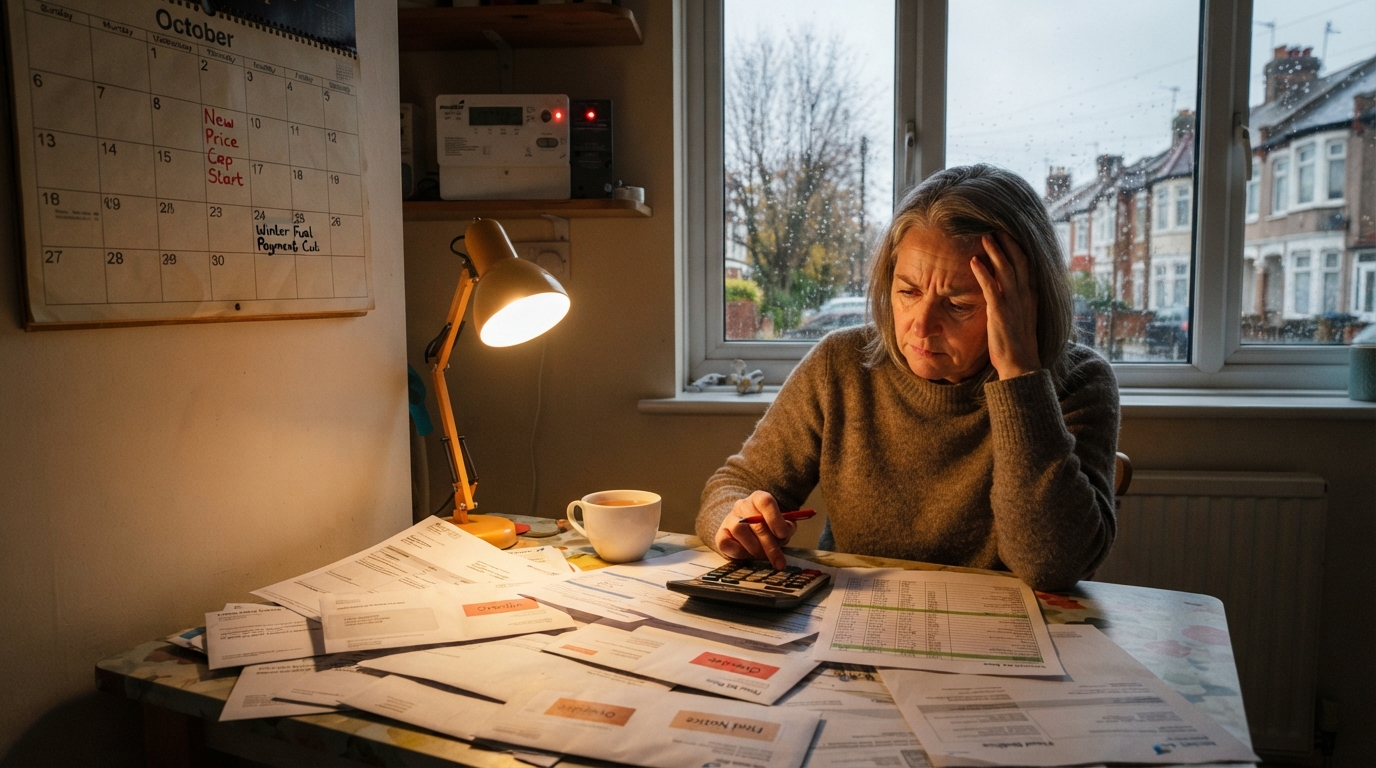
Energy expenses for millions of households are projected to reach a three-year peak this winter, as the industry regulator is set to announce a new price cap on Wednesday. This cap will reflect the increased wholesale cost of gas, which suppliers pay, and will impact bills from October through December, coinciding with the onset of colder weather.
Analysts anticipate that Ofgem will declare a 4% increase in prices compared to the current cap, affecting customers on variable tariffs in England, Scotland, and Wales. Energy companies have reported a surge in energy debt and, with high bills expected to continue, have urged for greater assistance for those struggling to pay. The government has stated that VAT will be reduced on electricity bills.
The price cap, which covers approximately 33 million households, is expected to rise due to the volatile nature of international wholesale gas prices. Over the past three months, the average price of gas has been 61% higher than in late 2025, according to Energy UK, the trade body for suppliers.
Millions of individuals have switched to fixed energy tariffs, partly in response to the instability caused by the US-Israeli war with Iran. Those on fixed deals will not experience a price increase until their tariff term concludes. Around 40% of billpayers currently have fixed tariffs.
The energy cap establishes a maximum price per unit of gas and electricity, not for the total bill; therefore, a household's final bill is determined by their consumption. In July, Ofgem revised its estimate of "typical" energy usage downwards, attributing this to many homes reducing consumption due to high prices in recent years and improved energy efficiency. The new estimate is 9,500 kWh of gas and 2,500 kWh of electricity annually.
Cornwall Insight, a consultancy, forecasts that a household using a typical amount of gas and electricity, paying via direct debit, will pay £1,729 per year starting in October. This marks an increase from £1,663 between July and September and would represent the highest level in three years.
Households are, on average, paying hundreds of pounds more per year than before Russia's full-scale invasion of Ukraine in 2022, which initiated the energy crisis. Industry data indicates that bills have risen by approximately 70% compared to pre-crisis norms.
Consequently, unpaid bills and charges have escalated significantly. Energy UK estimates that total collective debt has reached £6 billion, with projections for it to climb to about £7 billion by the end of the year. The average billpayer in debt, without a payment plan, owed £3,500, according to the trade body.
Energy UK has advocated for a flexible discounted tariff for those most in need, funded through taxation, a proposal supported by numerous debt charities. Emily Whitford, senior public policy advocate at StepChange, stated, "Without urgent intervention – namely a national social tariff and implementation of the long-awaited debt write off scheme from Ofgem – we expect this [debt] figure to rise in the coming months, and with that see an increase in the number of people coming to us for help with energy bills."
The Trades Union Congress has called for a windfall tax on bank profits to be used to reduce energy bills. The government is implementing a VAT cut on electricity bills in October, which is expected to reduce a typical annual bill by approximately £50. Additionally, some policy costs were canceled or reallocated in April, though ministers acknowledge that more action is needed.
Suppliers offer various support schemes for individuals struggling or likely to struggle with payments. However, they emphasize that companies can often only provide assistance if customers contact their supplier to inform them of their inability to pay.