

Struggling households need more help with bills, energy industry says
Industry body Energy UK says the current support for households most in need does not go far enough.
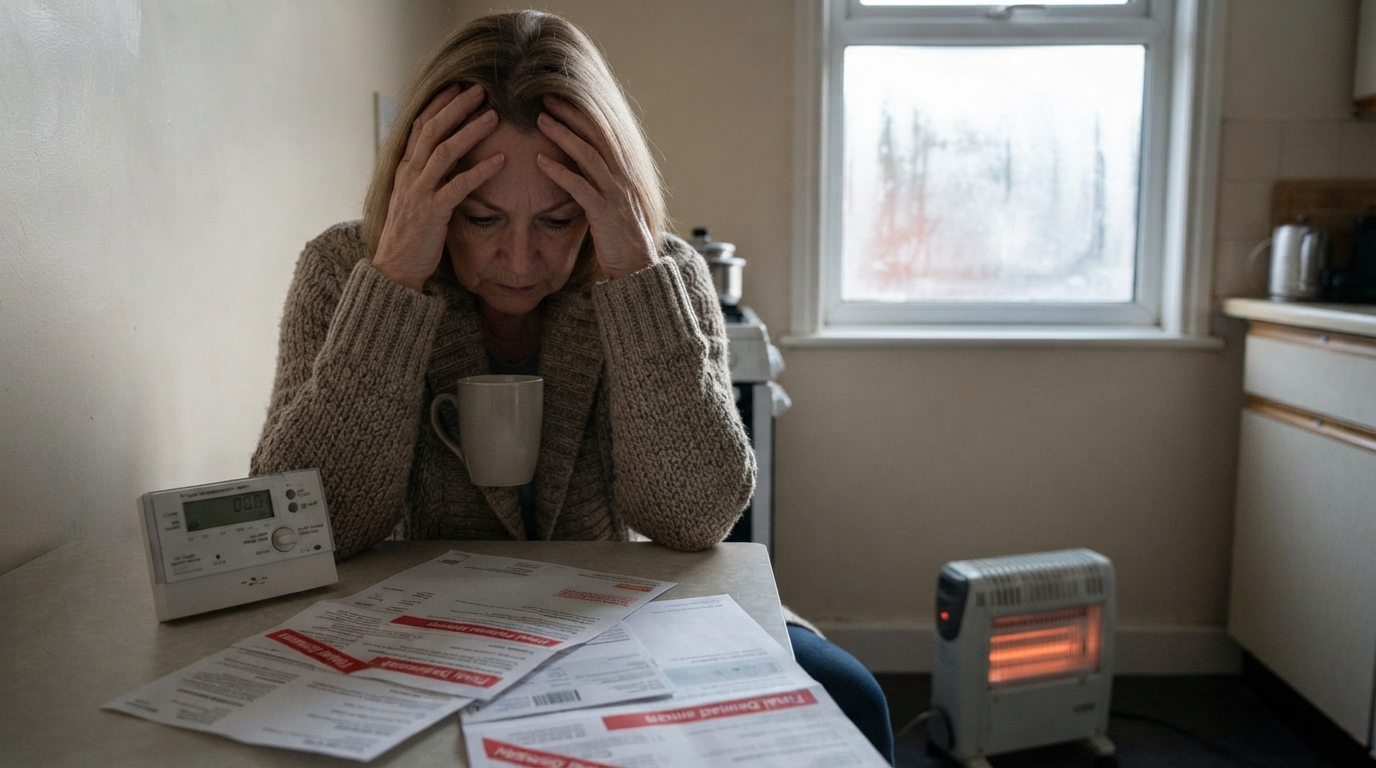
The energy industry is urging the government to provide increased assistance to vulnerable households this winter as energy bills are set to rise. Energy UK, the trade association representing British energy companies, stated that persistently high prices over recent years have led to some individuals requiring "emergency support" beyond the existing £150 Warm Home Discount.
Energy UK emphasized that millions of households find their bills unaffordable and called for a "better targeted and more agile" support program. Regulator Ofgem is scheduled to announce the energy price cap for October onwards on Wednesday, which is anticipated to reach a three-year high.
Dhara Vyas, chief executive of Energy UK, commented, "Suppliers continue to do all they can to help their customers but as well as persistently high bills, record levels of debt show how the current system is failing to provide the right support to those in need." She advocated for a new "social discount" scheme, which she believes would create "a system that works better for everyone."
At the close of last winter, Ofgem reported that customers had accumulated a record £4.7 billion in overdue energy bills. Since then, wholesale energy prices have climbed following the outbreak of the Iran war in February.
Energy consultancy Cornwall Insight projects that Ofgem's quarterly cap on household price increases will rise by 4% when announced on Wednesday. This increase will affect household bills during the initial half of the upcoming winter, following a more substantial 13% increase in July.
Cornwall Insight attributed the price hikes not only to the Middle East conflict but also to European heatwaves, which boosted demand for power generation to fuel air conditioning and other cooling systems. The consultancy added that this price increase would negate the impact of Prime Minister Andy Burnham's decision to remove VAT from household electricity bills starting in October.
Currently, individuals receiving means-tested benefits are eligible for a one-off £150 Warm Home Discount during the winter, which is administered by energy suppliers. This rebate is funded by a levy on all energy users, collected and redistributed through bills.
Energy UK noted that while the Warm Home Discount reaches six million customers, an additional 2.5 million require assistance due to medical conditions or poorly insulated homes leading to higher energy consumption. The organization suggested that if the government allowed the integration of customer income, health, and energy consumption data, a discount scheme could offer targeted, adjustable support, adapting to evolving needs and price levels.
The proposed new scheme by Energy UK would cost £1.9 billion, nearly double the current scheme's cost, but could provide up to £450 in support to some households. Energy UK proposed that this new support scheme could either continue to be partially funded through bills or be entirely shifted to taxpayers via government funding.
Cornwall Insight indicated that the last time the price cap reached a similar level was in July 2023, which was still below the peaks observed the previous year in the aftermath of Russia's invasion of Ukraine. During that energy price surge, the Conservative government allocated approximately £40 billion in government spending to assist households with energy bills.
The challenges associated with combining personal data sources, including income and health, and the proposal to secure additional taxpayer funds for such a scheme are likely to prompt scrutiny.
However, Adam Scorer, chief executive of National Energy Action, expressed support for this type of approach, particularly given that the Warm Home Discount has only increased by £10 over the past decade. "We desperately need a new approach," he stated. "There will be a lot of detail to get right, but if government genuinely wants to provide breathing space for people in fuel poverty, it needs to take this challenge on and work with energy companies and charities to design something truly fit for purpose."