

Weapons factories for Ukraine: Why is Russia worried?
Moscow has warned that enterprises in Europe producing weapons for Ukraine could become military targets for Russia. In the Kun.uz studio, analysts discussed what the West's military support for Kyiv and the growing potential of Ukraine's defense industry mean for Russia.
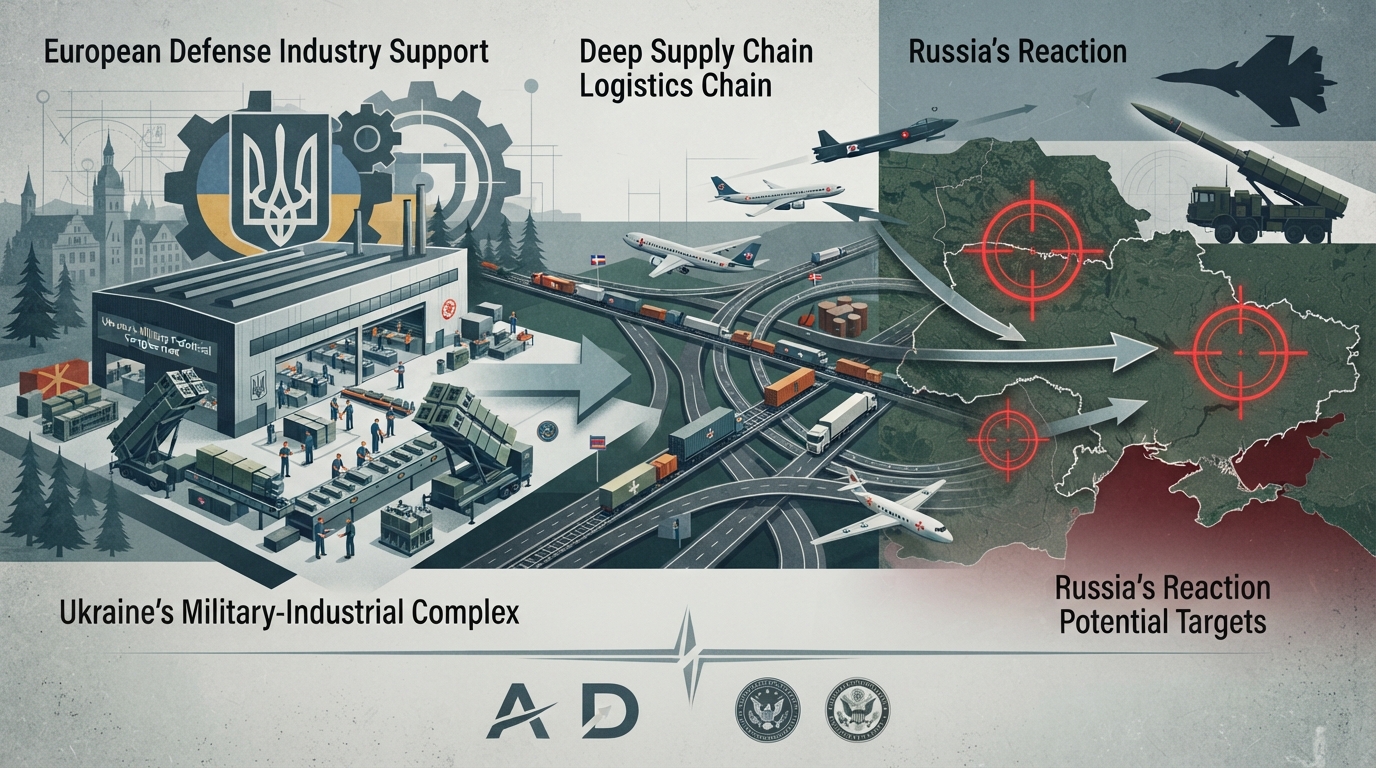
Weapons factories for Ukraine: Why is Russia worried?
In response to a question about the production of Patriot missiles in Poland and their delivery to Ukraine, Russian Foreign Ministry spokesperson Maria Zakharova said: "I would like to remind you once again that weapons production factories in European countries for Ukraine are considered potential military targets for Russia."
Countries can freely sell weapons to each other; this is the internal affair of each state. However, from Russia's point of view, producing specific weapons directly for the Ukrainian front, training specialists for this, creating a logistics chain, and establishing similar deep supply dependencies make that state a direct participant in the conflict.
Why is Russia reacting so sharply to this? Because Ukraine's entry into deep military-industrial cooperation with European partners leads to the prolongation of the war. Russia, which hopes to exhaust and force Ukraine to surrender, cannot tolerate new strength entering Ukraine.
Ukraine is considered a country with its own place in the global arms market. For many years, it has been close to the top ten leading arms exporters in the world. There is a military-industrial base left over from the Soviet Union, and during the war, this potential has increased even further. Today, interest in Ukraine's military industry is growing, especially from Middle Eastern countries. Zelenskyy himself has made a number of visits in this direction.
If foreign military factories are relocated to the territory of Ukraine or joint production is established, the issue will not only be about weapons security or production standards. The main issue is that over time, Ukraine could master these technologies, produce weapons independently, and sell them on the international market.
Most of the world's major military-industrial companies, particularly many manufacturers in Europe and the US, operate on a private business basis. For example, Lockheed Martin or Boeing's defense division are not state-owned enterprises, but private companies. Therefore, when it comes to weapons production and export, the political decisions of governments and the commercial interests of companies do not always fully align.