

Walmart sales under strain as US shoppers pull back
High gas prices and weaker pharmacy sales pushed Walmart's growth to its slowest pace in six years
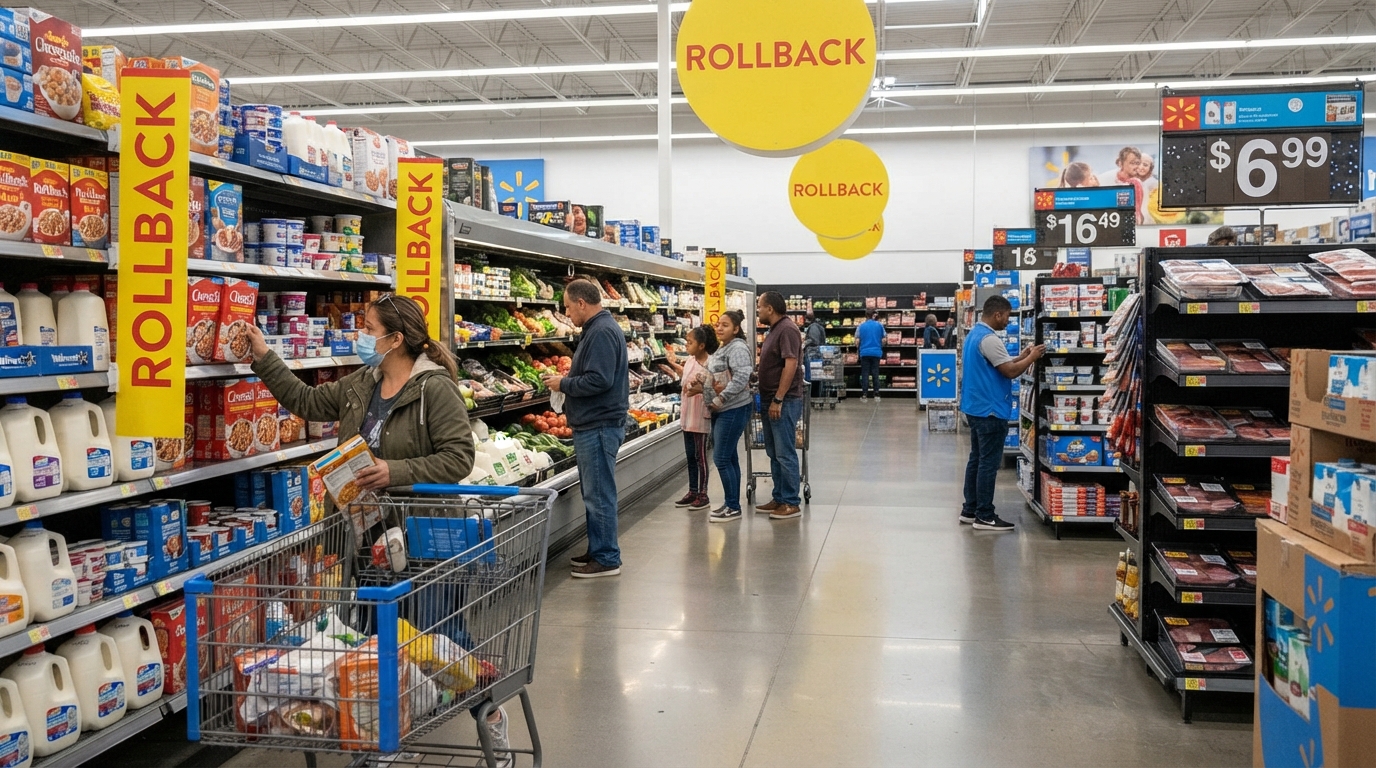
Walmart, the American retail behemoth, experienced its most sluggish sales growth in over six years during the latest quarter, signaling financial strain among US consumers. The company, uniquely positioned to assess consumer sentiment due to its vast scale, attributed this slowdown to escalating fuel costs.
Between May and July, comparable store sales across the chain, excluding fuel, saw a 2.6% increase. Walmart announced plans to utilize up to $3 billion in anticipated tariff refunds to reduce prices, aiming to sustain customer spending. This rebate originates from duties the retailer paid last year after President Trump imposed a series of tariffs on imported goods. Retailers are now receiving refunds from the central government following the ruling that these tariffs were unlawful.
In a similar vein, rival retailer Target recently reported receiving $1 billion in rebates, which boosted its profits. Walmart, the largest retailer in the US, stated that the nearly $3 billion in tariff rebates it expects will support its ongoing program of price reductions, or "rollbacks," which it expanded earlier this year.
Walmart has heavily relied on price cuts to retain its customer base, introducing 11,000 "rollbacks" across various product categories. Chief financial officer John David Rainey noted that these lower prices were already driving an increase in transactions and unit sales, particularly in food and other essential items like toys. However, he acknowledged that the retail landscape remains inconsistent, with lower-income households—a significant portion of Walmart's customer base—feeling financially squeezed.
Rainey explained that rising petrol prices were leaving shoppers with less disposable income, observing a clear shift in behavior once fuel prices surpassed $4 per gallon. He added that price movements in June made this impact evident, as lower-income customers curtailed their spending and focused on necessities.
Beyond the consumer pullback, Walmart's results highlighted several additional risks that could influence the company's prospects in the coming months. A substantial portion of the quarter's profit increase came from tariff refunds that had already been received, a one-time benefit that analysts believe will not recur to the same extent. The price rollbacks could exert pressure on profit margins, while Walmart is also investing in automation, new warehouses, and technological upgrades.
During the earnings call, analysts pressed management on whether lower prices were already boosting sales and if some rollbacks could be made permanent until 2027. Walmart indicated that the benefits were most apparent in food and other staples, and that certain price cuts might remain if they continued to resonate with shoppers. Rainey stated, "Our hope and intention always is that rollbacks can become permanent... wherever possible."
Analysts also questioned whether Walmart's income could continue to grow despite flagging sales. Executives expressed confidence that it could, pointing to businesses such as membership and advertising.