

US retail giant receives $1bn boost from tariff refunds
The US chain said it received a $994 million pre-tax reimbursement, which resulted in its second quarter operating income rising to $2.6bn.
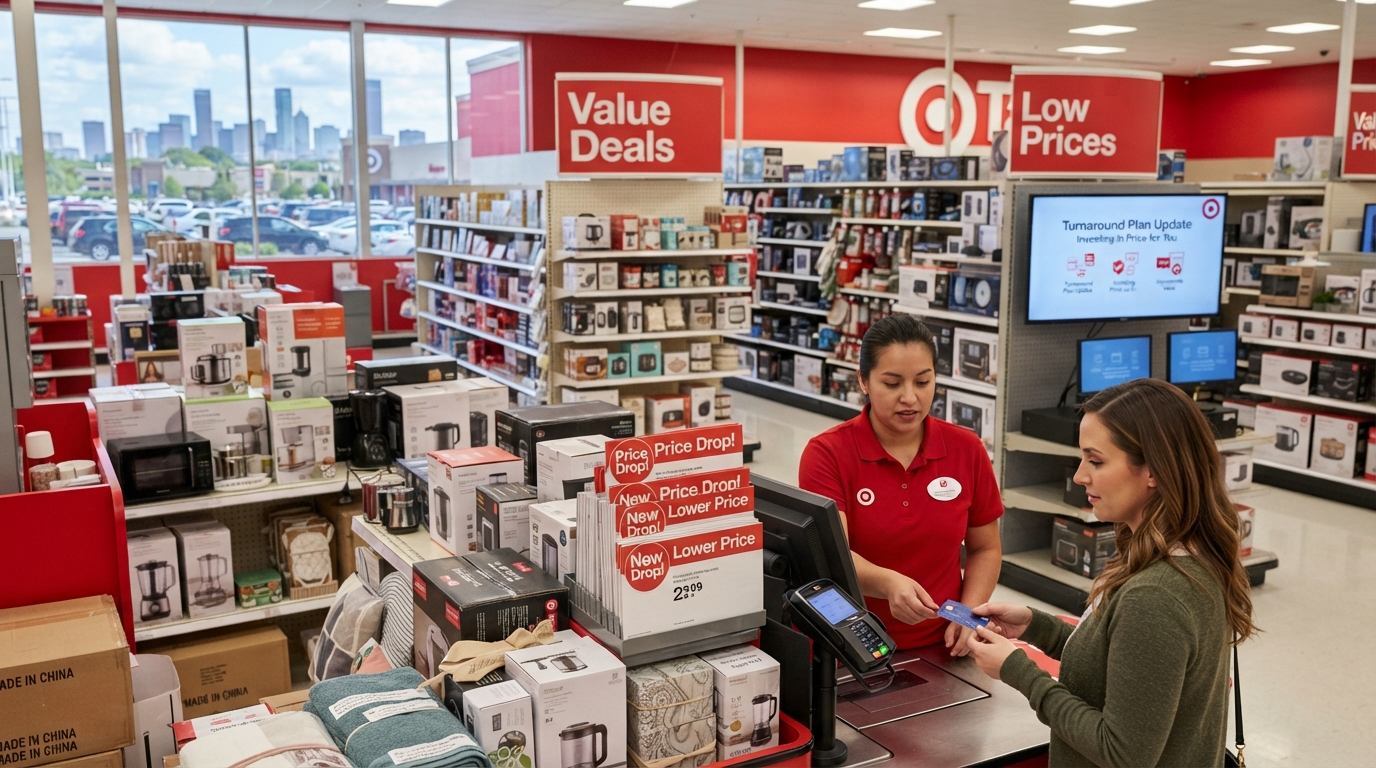
Target, the American retail giant, has announced it received nearly $1 billion in tariff refunds from the U.S. government, significantly boosting its recent profits. The company reported a pre-tax reimbursement of $994 million, which led to its second-quarter operating income doubling to $2.6 billion, up from $1.3 billion in the previous year.
Target is among numerous businesses, both large and small, that have received tax rebates on goods imported into the U.S. This follows a court ruling earlier this year that deemed a number of import tariffs imposed by President Donald Trump unlawful. Despite this, Trump has continued to levy duties on imported goods through alternative legal avenues, meaning many companies still face additional taxes.
On Monday, the president declared a three-day delay in implementing a series of new import taxes on various Canadian goods, as trade deal negotiations are ongoing. Trump has previously threatened to impose a 50% levy on Canadian imports valued at nearly $20 billion (C$28 billion). The two nations have been at an impasse over several issues, including U.S. tariffs on automobiles and bans on American liquor sales in many Canadian provinces.
Since returning to the White House last year, the president has utilized and threatened tariffs against dozens of countries. He asserts that this trade policy will stimulate American manufacturing and job growth by encouraging businesses to either source goods domestically or relocate operations to the U.S. However, economists have cautioned that consumer prices could rise as businesses, which bear the cost of these import taxes, pass these additional expenses on to customers.
Earlier this month, customs officials revealed in a court filing that the Trump administration had repaid $100 billion (£78 billion) in "Liberation Day" tariff refunds to businesses. This amount represents approximately 60% of all tariff revenue collected by the government under the policy, with substantial sums still pending repayment.
When questioned about how Target plans to utilize these tariff refunds, Chief Financial Officer Jim Lee did not provide specific details but stated, "We have and will continue to invest in price." Last year, the company lowered its financial expectations, attributing the revision to a "highly challenging environment" due to the tariffs introduced at the time.
Target has also indicated its intention to reduce its reliance on China for product sourcing. The majority of Target's top-selling items, such as home furniture and beauty products, are non-essential goods. The company sources most of these products from China, with 30% of its store-label goods originating from the country. This figure was previously higher, at 60% in 2017.
Currently, Target is undergoing a turnaround plan, having reported price reductions on over 10,000 items in the past year. Chief Executive Michael Fiddelke commented, "While there's still meaningful work ahead, we're encouraged by the progress we're making and remain focused on executing with discipline."