

Violations revealed in Kazakhstan military exercise where 14 soldiers died
In September, 14 soldiers drowned after being swept into the sea in the Mangystau region. The post-tragedy investigation revealed a number of deficiencies in the organization of training exercises and the provision of safety.
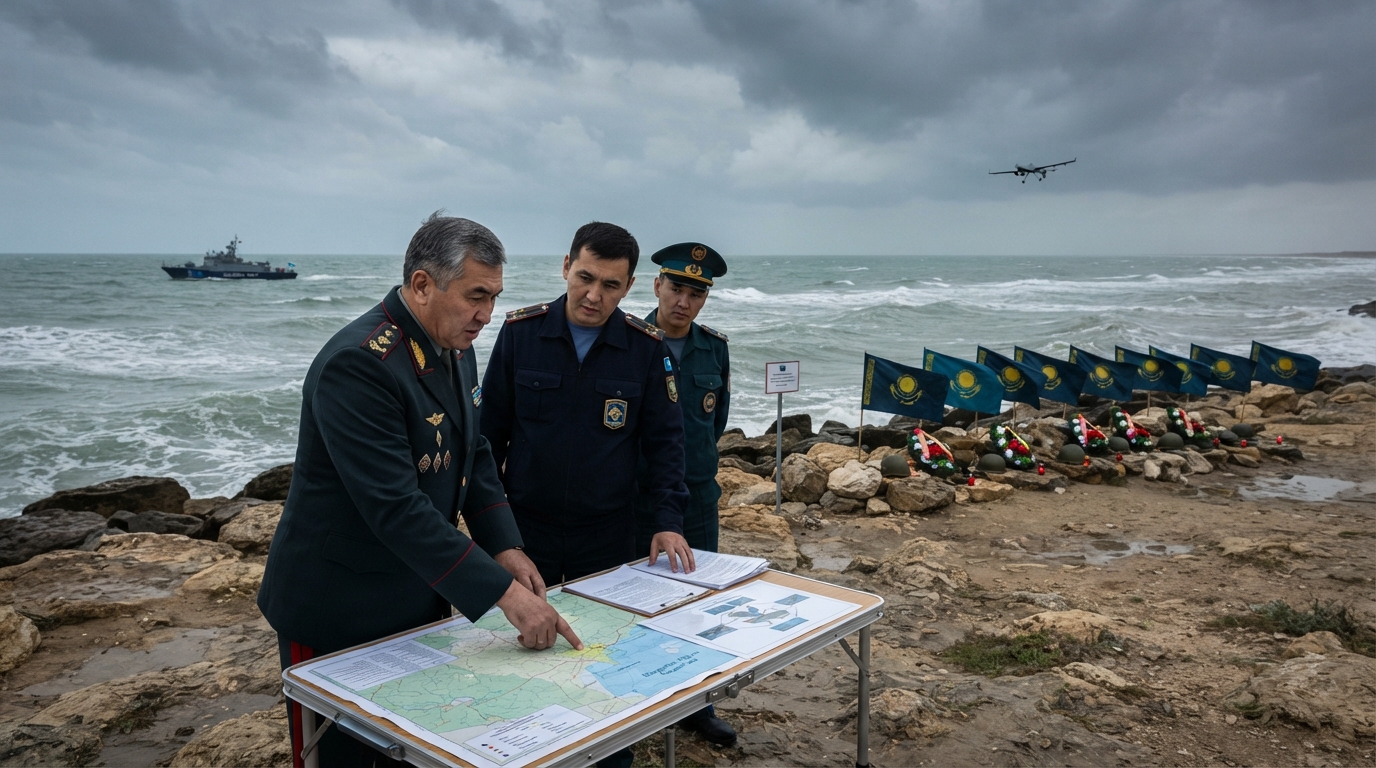
Violations of rules exposed in drills where 14 soldiers died in Kazakhstan
Deficiencies have been identified in the Ministry of Defense of Kazakhstan regarding control over military exercises, risk assessment, and prompt response to emergency situations. Tengrinews reported this, citing Prime Minister Oljas Bektenov's response to a parliamentary inquiry.
"In particular, insufficient attention was paid to hazard factors, and necessary control over compliance with safety rules was not established. Also, decisions were not made to timely halt the dangerous stages of the exercises," Bektenov said.
According to him, drones are currently being used in the Kazakh army for aerial surveillance of exercises. In some units, special devices that allow monitoring the location and health of soldiers are also being utilized. In addition, the military has established cooperation with "Kazhydromet" to receive regular information on weather changes.
The investigation began after 14 soldiers died during exercises held in the Mangystau region in September. According to the Ministry of Defense, due to a sharp deterioration in the weather and strong winds, a group of military personnel performing a training and combat mission was swept out to sea.
Following the tragedy, the leadership of the Ministry of Defense was replaced and a criminal case was launched. As part of the case, the former Commander-in-Chief of the Naval Forces, his former deputy — the Chief of Staff, and several other officials were arrested.
The country's government also announced reforms in the armed forces. According to them, compulsory military service will be transferred to a two-stage system. The Ministry of Defense also intends to introduce special simulators for practicing combat operations. This is expected to improve the preparation of the military and reduce exercise costs.