

Veteran BBC Africa correspondent Mark Doyle dies
Doyle was best known for reporting on African conflicts in the 1990s and 2000s, notably in Rwanda and Sierra Leone.
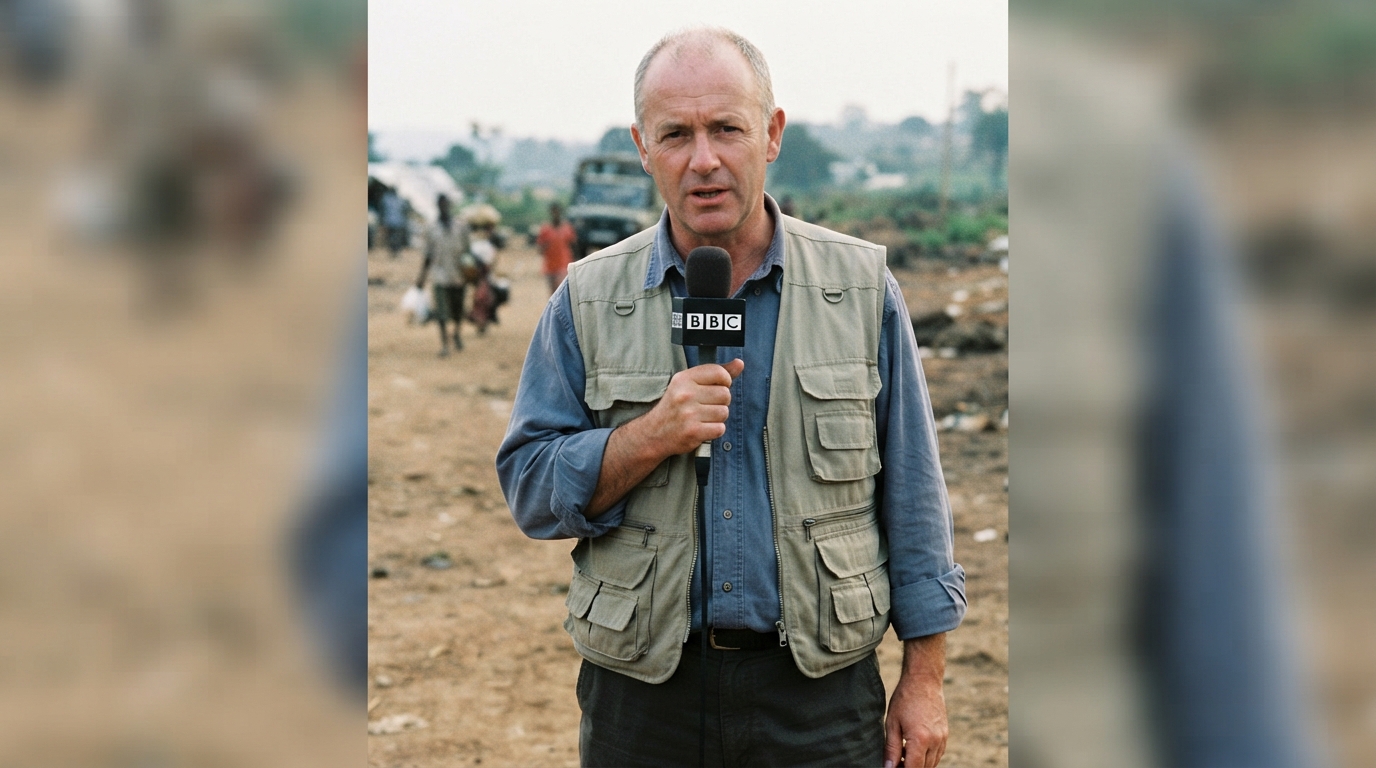
Veteran BBC Africa correspondent Mark Doyle dies
British journalist Mark Doyle, widely known for his coverage of African conflicts in the 1990s and 2000s, has died after a short illness.
After spending time living in Africa, he joined the BBC in 1986. Doyle became East Africa correspondent in 1993 and made his name reporting on the Rwandan genocide a year later.
From 1997 to 2002, as West Africa correspondent, he covered Sierra Leone's brutal civil war and the aftermath of Liberia's conflict.
After Doyle's death, BBC foreign editor Paul Danahar described him as a "legendary figure", and also a "brilliant, brave, empathetic reporter".
The BBC's Andrew Harding, who worked alongside Doyle, paid tribute to his former colleague in a 2015 article published to mark his departure from the national broadcaster.
In that piece, Fergal Keane, another well-known BBC correspondent in Africa, recalled their time in Rwanda in 1994. "He stayed longer than any of us," Keane said of Doyle. "Those who were in that awful place at that awful time will know what Mark Doyle gave for the cause of truth and for the BBC."
In the same article, Sir David Richards, who led British forces trying to halt Sierra Leone's civil war in 2000, also praised Doyle.
Sir David said Doyle's reporting helped persuade the UK government of the need for a strong intervention. "Hence the saving of thousands of Sierra Leonean lives that would otherwise have been at huge risk," he said.
In 2004, Doyle won first prize in the UN Correspondents Association/UN Foundation Awards for his reporting on post-war Liberia.
He later became BBC World Affairs correspondent before retiring from the BBC in 2015.