

Vape prices to rise as new tax takes effect
Vaping is about to becoming more expensive due to a new tax on products.
Vape prices to rise as new tax takes effect
The government is trying to make vaping more expensive and less appealing to young people
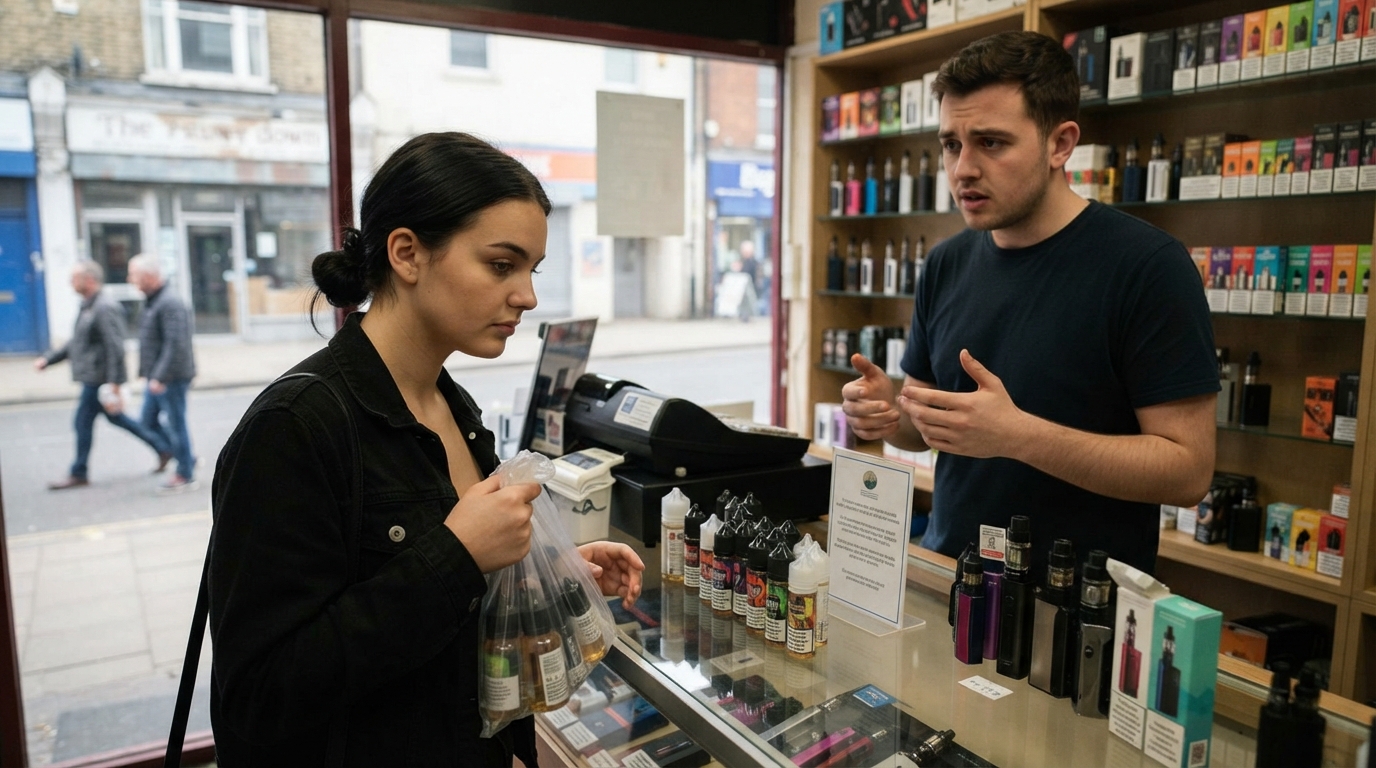
The cost of vapes is expected to increase as a new tax comes into force, in a move designed to make vaping less attractive to children and young people.
The Vaping Product Duty will be charged at £2.20 per 10ml of e-liquid. Even so, many buyers may not notice higher prices straight away, because sellers have six months to clear existing stock at the pre-duty price.
The government says it wants to curb the appeal of vapes by raising their cost, as more evidence emerges about their harmful effects on health, especially among children and young people.
The vaping industry has campaigned against the tax, arguing that low-cost vapes help smokers quit.
The duty will cover all vaping products, whether or not they contain nicotine.
Tobacco duties were also increased on Thursday, by £2.20 per 100 cigarettes or 50g of tobacco. HMRC said this keeps the financial incentive for smokers to move to vaping.
Mackenzie Bird, 19, has vaped regularly for three years. She said she was "fine" with the duty and that it would not stop her vaping.
"I don't know how many people it'll actually deter," she said.
"I'll probably just stock up."
By contrast, Cara Lewis-Rimes and Dylan Killner said they may think again about the habit because of the higher prices.
Cara said she believes the changes will push vapers to cut back because of the cost of living.
Dylan said he might be tempted to give up completely.
"I don't think it's doing me any favours... the health factor around it as well is not great."
HMRC is also introducing a stamp for vaping products that can be tracked through the supply chain.
All vapes sold in the UK must have this stamp from April.
The new tax is also intended to tackle illicit trade, which is becoming a bigger issue on UK high streets
Last month, the prime minister announced new powers for councils to deal with the decline of the high street, including the number of vape shops.
Changes to planning law in England mean that every new shop selling e-cigarettes, or vapes, will have to seek permission from its local council before opening.
Health Minister Karin Smyth said: "These measures are an important step in our ambition to tackle youth vaping by reducing the affordability of vaping products, which goes hand-in-hand with the work we are already doing to tackle the appeal and availability of vapes on our high streets."
James Murray, the Financial Secretary to the Treasury, said the government was "backing all those retailers who play by the rules".
But Jordan Apap, a sales assistant at Berkshire Vapers, said the new tax would "put a lot of strain on legitimate vape shops" that offer more specialist advice and services than convenience stores and phone shops that sell vapes.
"There is a real and genuine risk that we will cease to exist within a year or two," he said.
John Dunne, the director general of the UK Vaping Industry Association, said: "This is nothing short of a tax on public health."
He said vapes had helped "millions of adults cut down on or stop smoking".
"Protecting young people is essential. But that means stronger enforcement against illegal and rogue traders, not making legal vaping more expensive for adults trying to stay away from cigarettes."
Experts say vaping is far safer than smoking, but it is not risk free and the long-term effects are still uncertain.
A recent review of vaping studies found it was linked with problems in children and young people including wheezing and coughing, poor oral and dental health, poor sleep, mental health problems and eye symptoms.
The NHS has said that children and non-smokers should never vape.