

Uzbeks may be allowed to enter the country in their own cars with foreign registration.
Uzbekistan plans to create a separate mechanism for the temporary import of foreign-registered vehicles for its citizens. Currently, this simplified procedure is available for foreign individuals, but there is no general mechanism for Uzbek citizens.
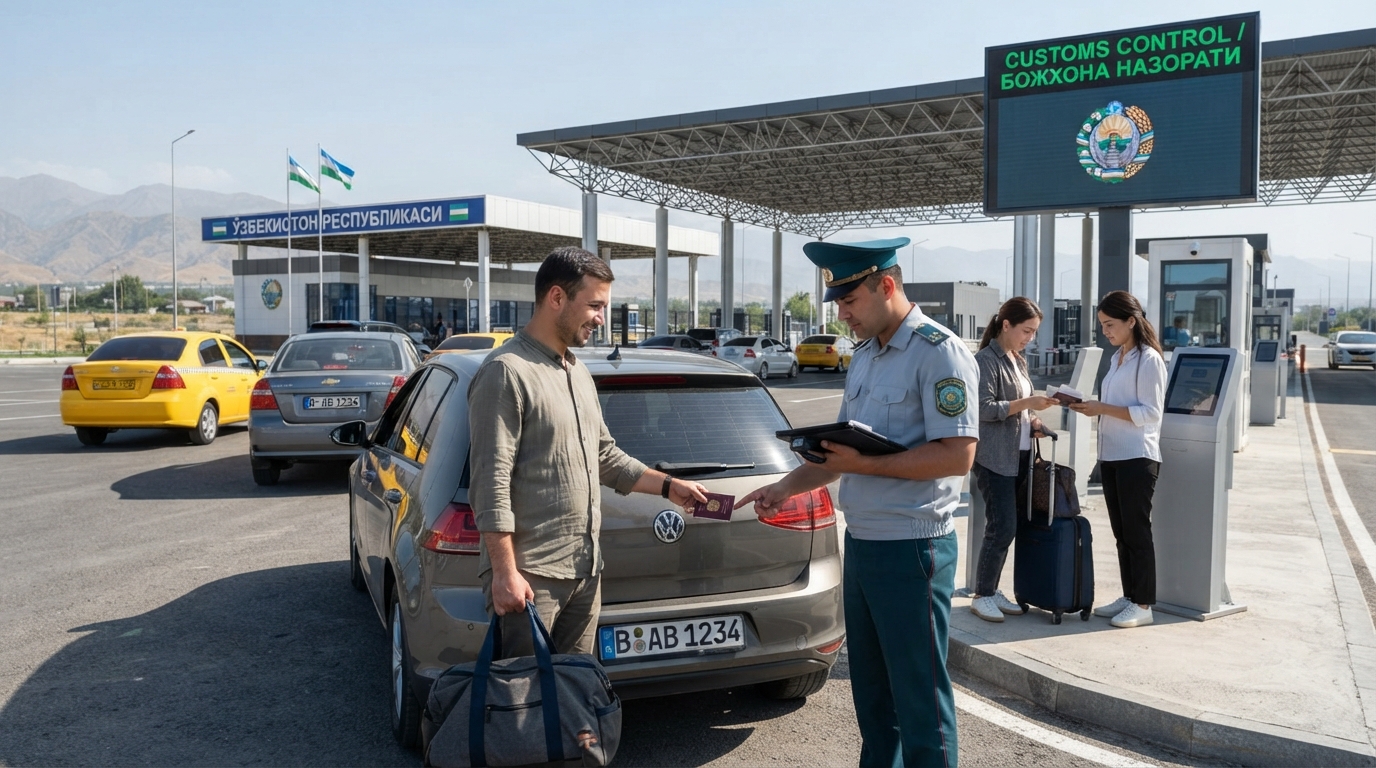
Citizens of Uzbekistan may be allowed to temporarily import foreign-registered vehicles into the country for non-commercial use. This initiative is part of a customs reform plan approved by a presidential decree on August 27.
According to the decree, the Customs Committee and the Ministry of Justice have been instructed to develop a bill that would allow Uzbek citizens to temporarily import vehicles registered abroad, subject to the payment of customs duties.
Currently, the simplified temporary import of foreign-registered vehicles is only available to foreign citizens. They can use such vehicles in Uzbekistan for up to 90 days a year without paying customs duties, and after this period, they must pay a fee. A similar general mechanism does not yet exist for Uzbek citizens. The new regulation will allow, for example, Uzbek citizens working abroad to return home in their own vehicles with foreign license plates.
The bill is scheduled to be submitted to the Cabinet of Ministers by December 2027.
The document also provides for a number of other changes to customs administration. Joint on-site tax and customs audits for importing companies are planned to be introduced starting April 1, 2027.
Furthermore, parking lots and logistics infrastructure are planned to be built near state border crossing points in 2026–2028. The khokimiyats of the Andijan, Surkhandarya, and Tashkent regions have been instructed to allocate land for these projects, and Customs Committee agencies are to gradually establish customs terminals and parking lots on these plots.
All these measures are part of the "New Customs of Uzbekistan – 2030" strategy, aimed at simplifying customs procedures, expanding digitalization, and reducing the time it takes to clear goods. By 2030, the share of unattended customs clearance is planned to increase to 60%.