

Uzbekneftegaz adds 1.7mn cubic metres of daily gas production capacity from new wells
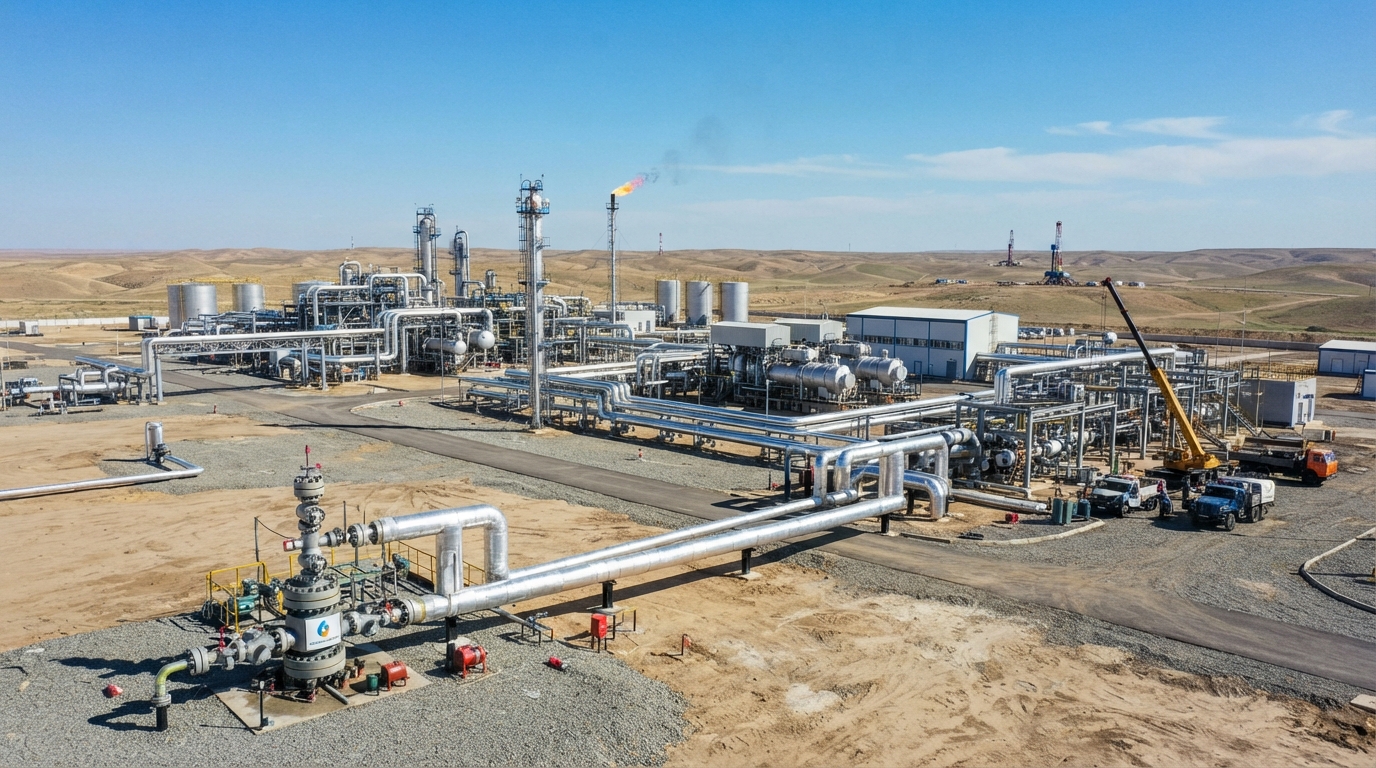
Uzbekneftegaz has boosted its daily natural gas production capacity by 1.7 million cubic meters through the activation of new wells.
The state-owned company recently conducted a comprehensive review of its natural gas production operations, focusing on the integration of new wells, repair efforts, and strategies for accident prevention. This assessment followed a series of incidents in August at various oil and gas production sites, which had an impact on the output of natural gas, gas condensate, and liquefied gas.
During a working session, Uzbekneftegaz evaluated its production metrics and the execution of measures designed to sustain operations across its facilities. Key topics of discussion included the accidents that occurred in August, the progress of drilling and bringing new wells online, extensive well overhauls, and preparations for the upcoming colder months.
Uzbekneftegaz reported that the August accidents at several of its oil and gas production units led to a decrease in the production of natural gas, gas condensate, and liquefied gas. Officials were directed to reduce the frequency of such incidents in the subsequent month and to finalize all preventive maintenance and repair work before the onset of cold weather. The company emphasized that accident prevention should be a top priority, alongside addressing the repercussions of any incidents.
Notably, the Gazli and Shurtan oil and gas production units experienced almost no accidents during August. Uzbekneftegaz attributed this success to adjustments made to technological equipment, control and measuring instruments, automation systems, and electricity supply systems, in addition to proactive measures taken to rectify identified technical issues. The meeting also covered the progress of commissioning new wells, with a target of 11 wells between August 1 and 24.
Of the 11 planned wells, drilling was completed for eight, and seven were successfully brought into operation. These newly commissioned wells are projected to add an extra 1.7 million cubic meters of natural gas to daily production. One of the drilled wells, however, did not yield a commercially viable gas flow. The commissioning of another well was postponed until early September. Drilling at three wells was not finished within the scheduled timeframe, prompting the company to strengthen accountability measures for the officials responsible for these delays.
Uzbekneftegaz also reviewed significant repair and maintenance workovers on existing wells. All eight wells slated for recommissioning after overhauls between August 1 and 24 successfully produced commercial gas flows. The company had initially anticipated these repaired wells would contribute an additional 235,000 cubic meters of gas, but actual additional production reached 310,000 cubic meters, according to figures presented at the meeting.
An additional 11 wells are scheduled for commissioning between August 21 and 31, expected to provide an extra 340,000 cubic meters of gas. Officials reviewed the status of work at each site and were instructed to adhere to the established commissioning schedules. The company also stressed that preparations for bringing wells online must extend beyond the wells themselves to include associated infrastructure such as pipelines, technological units, compressor stations, and electricity supply systems.
According to Uzbekneftegaz, these facilities must be adequately prepared to ensure that gas from newly drilled or repaired wells can be seamlessly integrated into the transmission and processing system without further delays. Uzbekneftegaz Chairman Abdugani Sanginov stated that measures to counteract natural production declines are yielding additional gas volumes, while acknowledging that accidents at individual production units negatively impact overall operational results.
Following the meeting, responsible officials were tasked with setting precise deadlines for each assignment and regularly evaluating the condition of wells, the readiness of technological facilities, and any factors contributing to gas production shortfalls.