

Uzbekistan's experience discussed at the One Health congress
At the One Health World Congress in Lisbon, Uzbekistan's experience in implementing national plans in the field of One Health is being discussed.
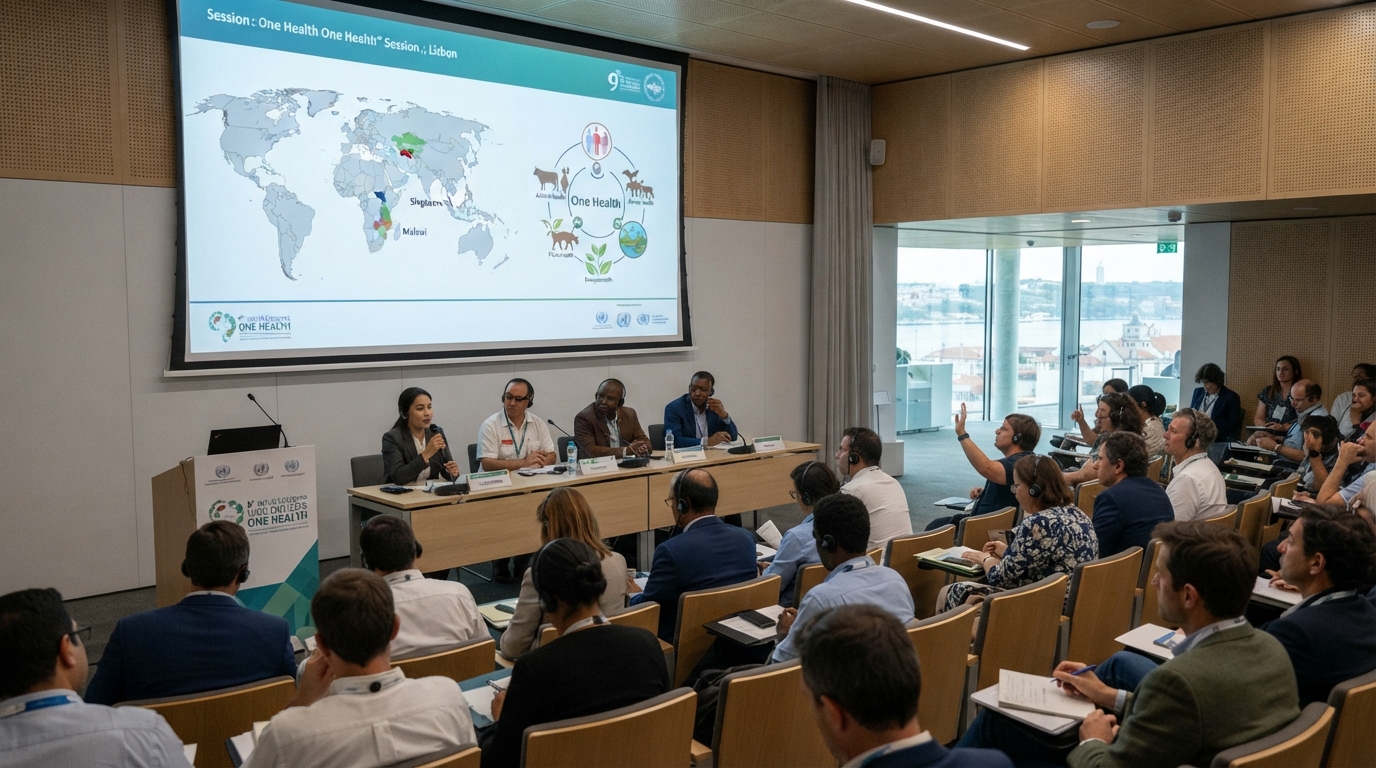
Uzbekistan's experience was reviewed at the One Health Congress
Uzbekistan's experience is being discussed at the 9th World One Health Congress, which is taking place in Lisbon. Within a dedicated session, participants are studying the practices of Uzbekistan, Singapore, and Malawi in implementing national plans in the field of "One Health."
The One Health concept involves a comprehensive approach to the health of humans, animals, and plants, as well as the state of the environment, as interconnected elements of a single system. The need for such an approach is driven by the fact that many threats to human health cannot be effectively addressed within a single sector.
An example cited is the spread of viruses among birds, the consequences of which can extend beyond the poultry industry. A similar situation is observed with antibiotic resistance, which simultaneously affects both healthcare and veterinary systems.
In addition, climate change, biodiversity loss, and environmental degradation simultaneously affect the health of humans, animals, and plants.
Against this backdrop, international interest in the One Health concept continues to grow. At the congress in Lisbon, the main emphasis is placed on moving from general statements about the need to apply this approach to practical actions.
The implementation of "One Health" principles involves cooperation among veterinary services, the healthcare system, plant protection and quarantine authorities, environmental agencies, scientific institutions, business, and the public.
The discussion of Uzbekistan's experience within the international session reflects the international community's attention to the issues of integrated risk management related to human, animal, and plant health, as well as the state of the environment in the country.