

Uzbekistan and China discussed industrial cooperation
In Chengdu, representatives from Uzbekistan and China discussed the development of industrial cooperation, high technology, logistics, and joint projects.
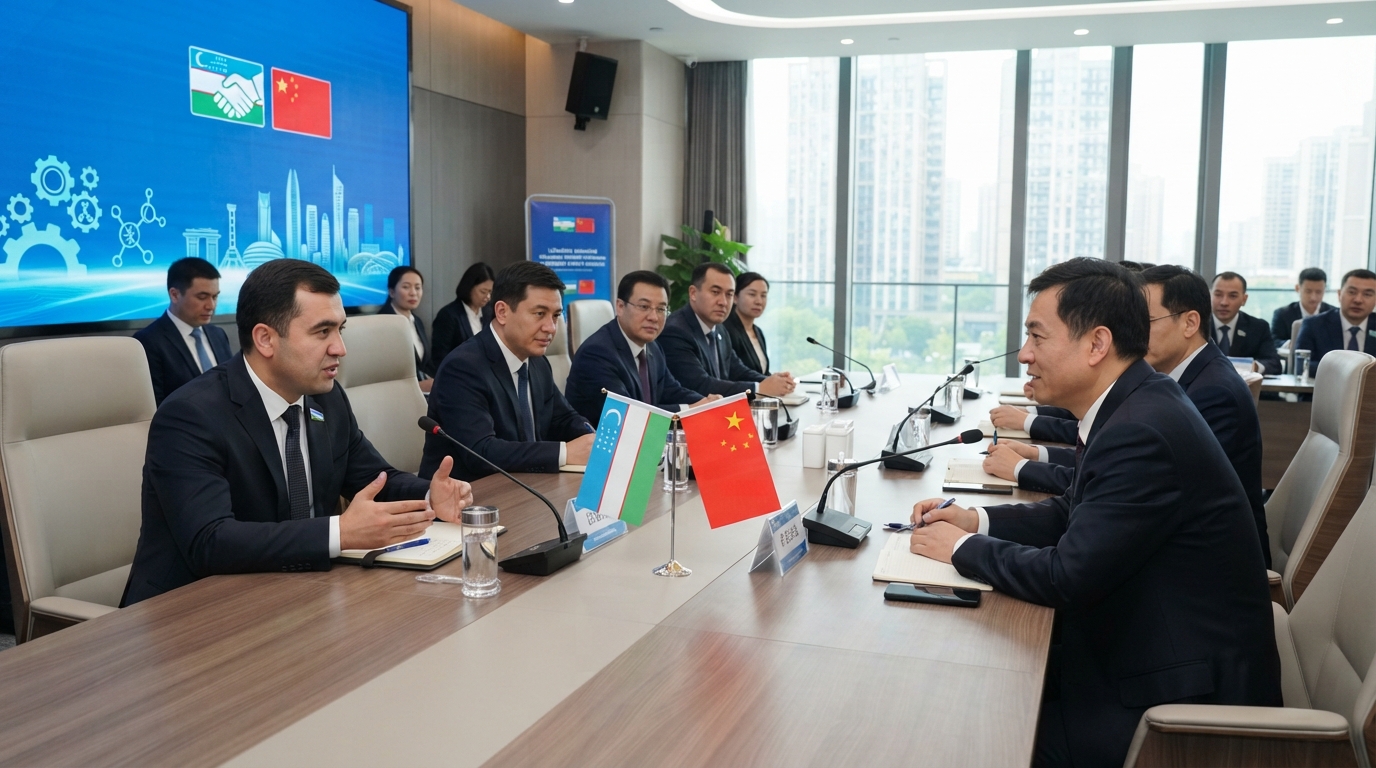
Uzbekistan and China held talks on expanding industrial cooperation.
On August 20, representatives from Uzbekistan and China held talks in Chengdu, China, discussing prospects for deepening industrial cooperation and implementing joint projects. The meeting was held as part of an international event dedicated to the development of intelligent manufacturing, according to the Agency for Industrial Cooperation and Public Procurement of the Republic of Uzbekistan.
Representatives of the Agency for Industrial Cooperation and Public Procurement of Uzbekistan participated in the event.
Mukhammadjon Islomkulov, a representative of the Uzbek agency, delivered a report outlining the agency's activities, measures to stimulate industrial cooperation in Uzbekistan, and promising areas of collaboration with Chinese partners.
The Chinese side, in turn, presented Chengdu's opportunities for developing international cooperation, as well as the city's potential in high technology, biotechnology, and modern manufacturing.
Participants were also briefed on the activities of the Chengdu International Cooperation Center and the bio-industrial sector of the Chengdu High-Tech Zone. Chinese companies specializing in regenerative technologies, biopharmaceuticals, biotechnology, and medical robotics presented their developments and promising projects.
A separate meeting was devoted to studying the organization and operation of Comprehensive Bonded Zones (CBZs)—special zones with integrated customs controls. Representatives from Uzbekistan learned about China's experience with such zones, including their role in developing foreign trade, logistics, customs procedures, and industrial cooperation.
Following the meeting, the parties discussed the further expansion of industrial cooperation between Uzbekistan and China, establishing direct contacts between enterprises, and developing mutually beneficial areas of collaboration.
Particular attention was paid to the possibilities of implementing promising joint projects and applying Chinese experience in developing industrial cooperation.