

Uzbek Food Exports to Belgium Exceed $1 Million
Uzbekistan exported 807 tonnes of food products worth over $1 million to Belgium in H1 2026 as EU trade expands under GSP+.
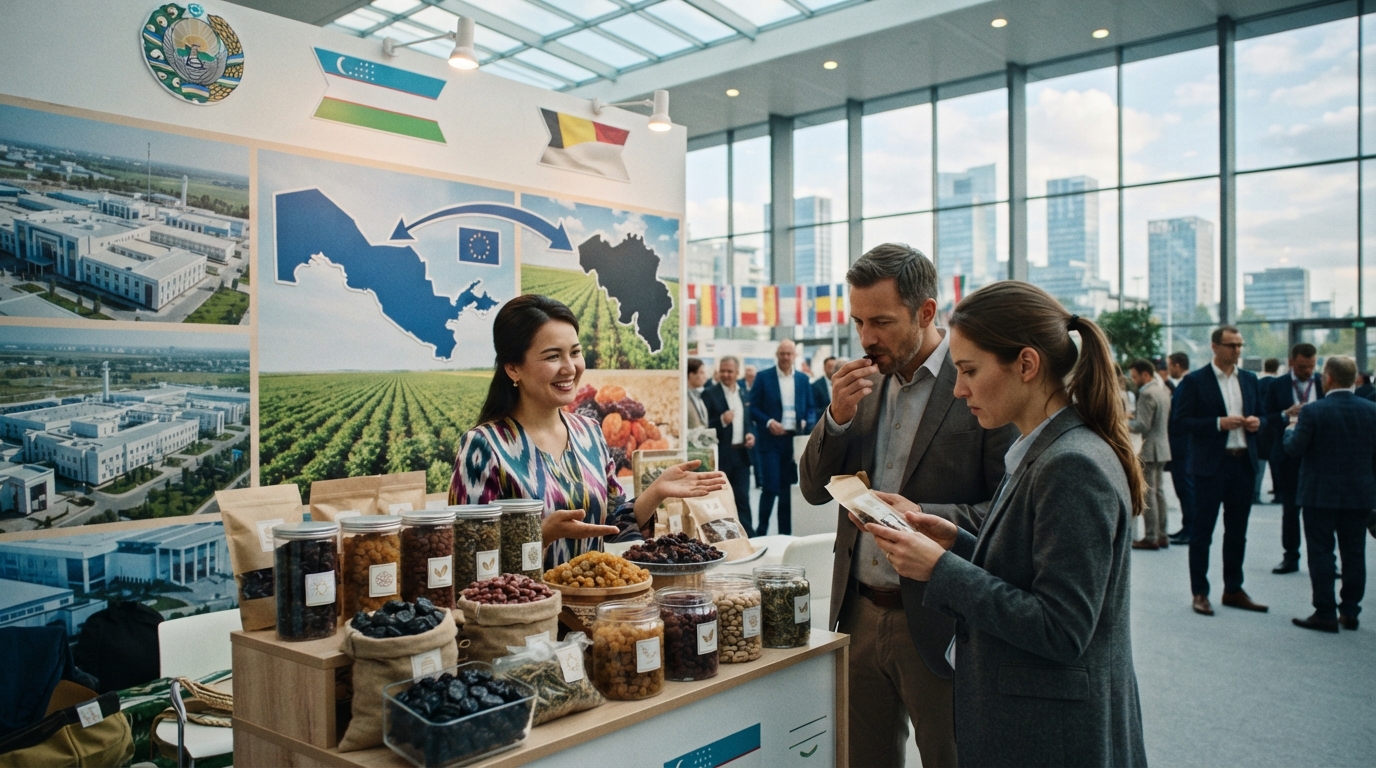
Uzbekistan's food product exports to Belgium surpassed $1 million in the first six months of 2026, with 807 tonnes of goods shipped by 10 Uzbek companies, as reported by O’zbekiston 24.
During this period, dried plums, dried herbs, beans, and raisins were among the main products sent to the Belgian market. Given Belgium's role as a significant European trade and logistics center, an increase in exports to the country is anticipated to facilitate the wider distribution of Uzbek products throughout the European Union.
The expansion of Uzbek exports to EU member states in recent years has been bolstered by trade preferences provided through the EU’s Generalized Scheme of Preferences Plus (GSP+). This access has nearly tripled Uzbekistan's export volume to European markets, according to the report.
Uzbekistan secured GSP+ beneficiary status in April 2021, which allows duty-free entry for over 6,200 product categories into the European market. To utilize these preferential terms, Uzbek producers must adhere to rules of origin, international agreements, and European quality and safety benchmarks.
To further broaden its export reach, the Food Safety Committee intends to sponsor a "Made in Uzbekistan" pavilion at an international food trade exhibition in October 2026. This initiative aims to foster direct discussions between Uzbek entrepreneurs and international purchasers.
Simultaneously, Uzbekistan is in the process of modernizing its phytosanitary, veterinary, and sanitary control standards, offering regulatory guidance to local businesses. In the area of phytosanitary regulation, authorities have adopted more than 30 international standards across agricultural production and export procedures.
In line with presidential directives, the nation's objective is to elevate its total exports to Europe to $10 billion, thereby integrating domestic producers into global supply chains.