

US restaurants are losing customers due to weight loss drugs
People are eating less in US restaurants. This is because every ninth person is taking "Ozempic" or other remedies for weight loss. Now, eateries are racking their brains over how to change the menu.
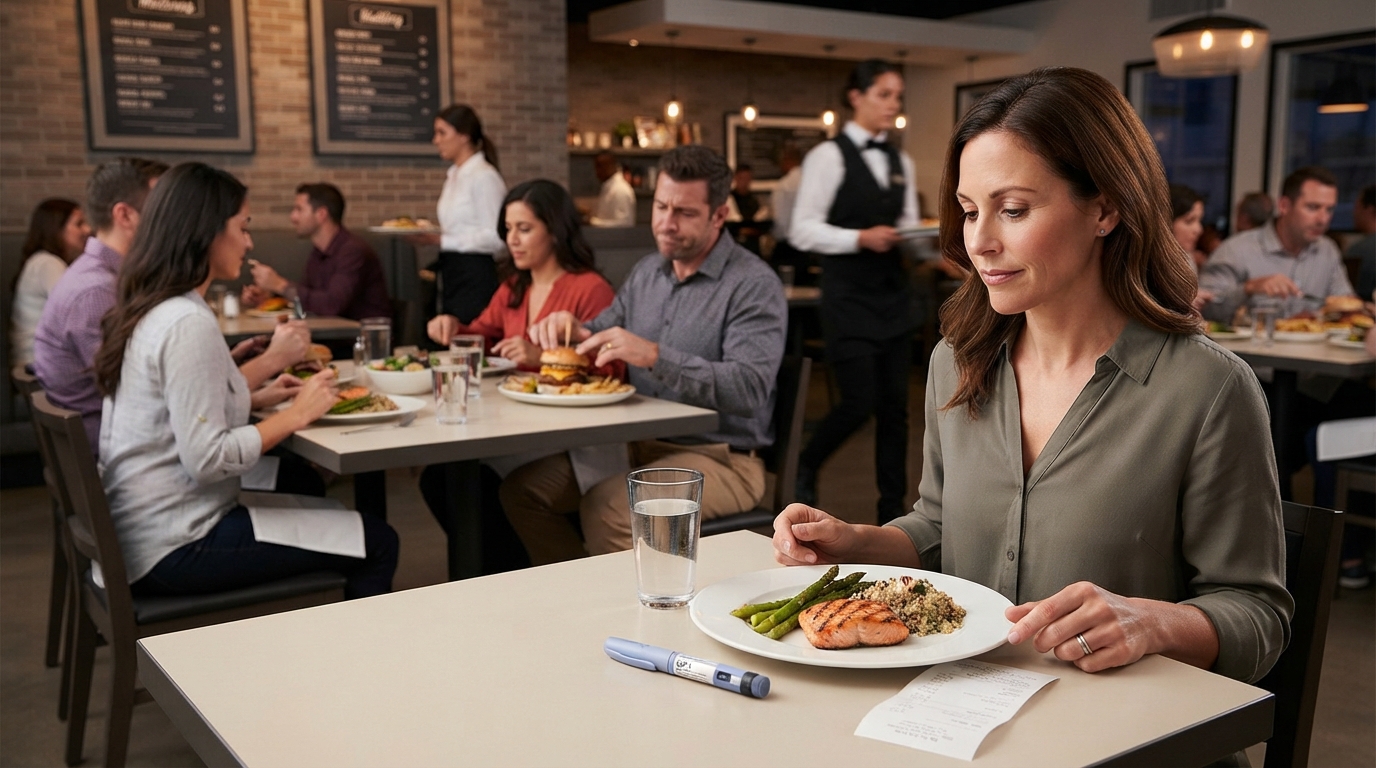
US restaurants are losing customers due to weight-loss drugs
Glucagon-like peptide-1 (GLP-1) based drugs such as Ozempic and Wegovy have created problems for catering establishments in the US, writes The New York Times. This situation is forcing restaurants — both large fast-food chains and high-end eateries — to revise their menus to adapt to such customers.
It has emerged that GLP-1-based drugs are taken by 11 percent of the US adult population, which is approximately 30 million people. The number of such people is expected to increase even further over time.
It is reported that those taking these drugs are visiting restaurants less often, spending less money when they do go, and not finishing the food served to them.
"We always ask guests why they didn't finish their food, and they admit that it's about the 'shots'," says Deborah VanTrece, owner and chef of the Twisted Soul Cookhouse & Pours restaurant in Atlanta.
Taking into account that people on GLP-1 agonists and other similar drugs want to consume more protein, restaurants may increase the protein content in dishes and reduce portion sizes. However, additional grams of chicken or beef increase the price of the dish by $5-7.
Another way to increase protein content is to use cheaper ingredients such as lentils, eggs, and cottage cheese, believes Neil Doherty, a representative of Sysco, a company that helps restaurants develop menus.
"If it's a steakhouse, instead of an eight-ounce (around 226 grams) cut of meat, you can serve a four-ounce (113 grams) cut of meat with shrimp. Currently, shrimp is a very beneficial product," Doherty suggests.
According to Darren Tristano, head of the Chicago-based consulting firm Foodservice Results, even if portion sizes are cut in half, they will not become 50 percent cheaper — restaurants will set the price at 75 percent, because in addition to the cost of products, it also includes staff wages and rent expenses.
Analysts at investment bank William Blair reported that demand for high-calorie foods in fast-food eateries — burgers and fried foods — has sharply declined among diners taking weight-loss drugs.