

US national debt exceeds $40 trillion for the first time
The US national debt has exceeded $40 trillion for the first time, increasing by $1 trillion in just five months.
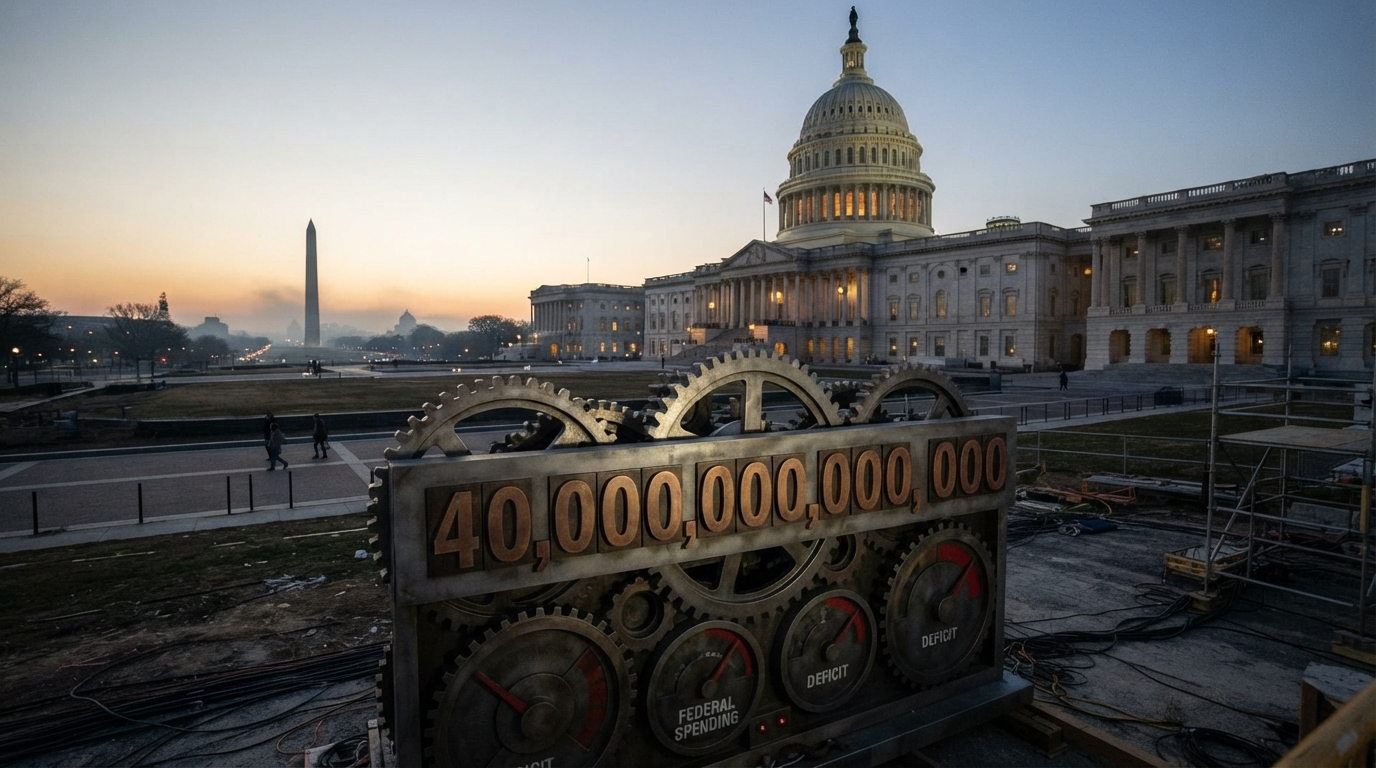
The United States' national debt has surpassed $40 trillion for the first time in history, setting a new record. This comes just five months after the country's debt surpassed $39 trillion.
In October, the US national debt stood at $38 trillion, while in January 2017, when Donald Trump first took office, it was $19.95 trillion.
The increase in debt is due to federal spending exceeding tax revenue. The main spending items putting pressure on the budget are defense, social programs such as Social Security and Medicare, and debt servicing.
White House spokesman Kush Desai stated that the Trump administration is focused on reducing inefficient spending, fraud, and abuse in the use of federal funds, and stimulating economic growth. He said these measures should help improve the national debt-to-GDP ratio.
At the same time, experts warn that the growing national debt is negatively impacting Americans' financial well-being. Among the possible consequences, they cite increased borrowing costs for homes and cars, reduced investment funds available to businesses, and potential increases in the prices of goods and services.
Michael A. Peterson, CEO of the Peter G. Peterson Foundation, emphasized that lawmakers need to ensure a more sustainable fiscal trajectory for the country to support the standard of living for current and future generations.
Significant increases in federal debt have been observed under several presidential administrations. In recent years, the COVID-19 pandemic, which has led to a significant contraction in economic activity, has placed additional pressure on the budget.
During Trump's first term and the Joe Biden administration, the federal government actively borrowed to stabilize the economy and support its recovery.
Following Trump's signing of the Republican Tax Cuts and Spending Act last year, additional budget appropriations were also approved.
Balanced budget advocates believe that continued growth in borrowing and debt servicing costs will limit the government's ability to make budgetary decisions in the future.
Bipartisan Policy Center President and CEO Margaret Spellings stated that federal debt is already increasing the cost of living, crowding out other spending and investment, and creating risks to the long-term economic well-being of Americans.
She stated that the current US fiscal trajectory is unsustainable, and additional factors, including the impact of artificial intelligence, a possible recession, or global conflicts, could exacerbate existing risks.
The US has a statutory debt ceiling—the maximum amount the federal government can borrow. Congress has the authority to set, change, or repeal this limit.
Bipartisan Policy Center estimates that the US will likely reach a new debt ceiling of $41.1 trillion between late winter and mid-summer 2027. After this, Congress will again need to decide whether to increase the limit or suspend it.
According to an analysis of data from the Organization for Economic Cooperation and Development, the US fiscal position is the most unfavorable among developed countries.