

Ukraine could strike Russia with Starlink — FT
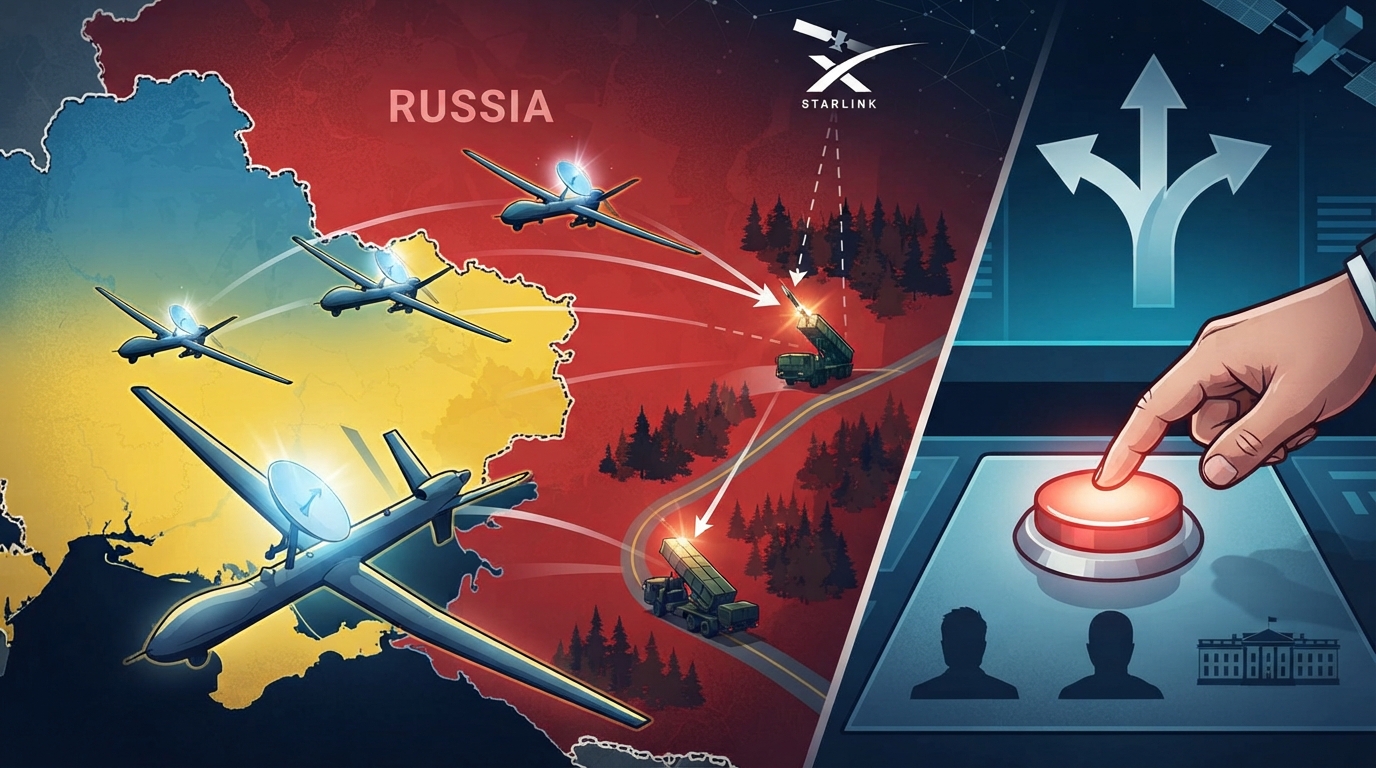
Ukraine could use Starlink to strike Russia — FT
Elon Musk has said he is willing to allow Ukraine to use Starlink-equipped drones to strike military targets in Russia, but the final decision must be made by the US White House, the Financial Times reported.
According to the publication, Ukrainian President Volodymyr Zelensky has asked Elon Musk to allow the use of Starlink-equipped drones against Russian ballistic missile launchers up to 200 kilometers from the Ukrainian border.
Sources familiar with the matter say that Musk previously told former Ukrainian Defense Minister Mikhail Fedorov that he was ready to allow Starlink-equipped drones to be used to destroy Russian targets outside Ukraine. However, Musk said that this decision is political in nature and must be made by the White House.
For Ukraine, such an opportunity could become a new tool in the fight against ballistic missiles. In this case, instead of waiting for a Russian missile to launch and shooting it down in the air, Ukraine would be able to detect and destroy missile launchers on Russian territory in advance.
Denis Shtilerman, co-founder and chief designer of Ukrainian defense company Fire Point, previously said that integrating the Starlink system into long-range strike weapons would make it possible to more effectively combat moving targets inside Russian territory. “Instead of shooting down arrows, we will target archers,” Shtilerman explained the essence of this approach.
Ukraine is currently trying to get permission to use Musk’s Starlink system to strike Russian missile launchers. According to the FT, US President Donald Trump has not shown any inclination to support this plan.
Earlier, the heads of British defense companies supplying weapons to Ukraine were warned that they could become targets of Russian spies. Senior British government officials briefed defense company executives earlier this summer about the growing threat posed by the Kremlin to them and their employees.