

Turkic countries to create a single digital database of archaeological monuments
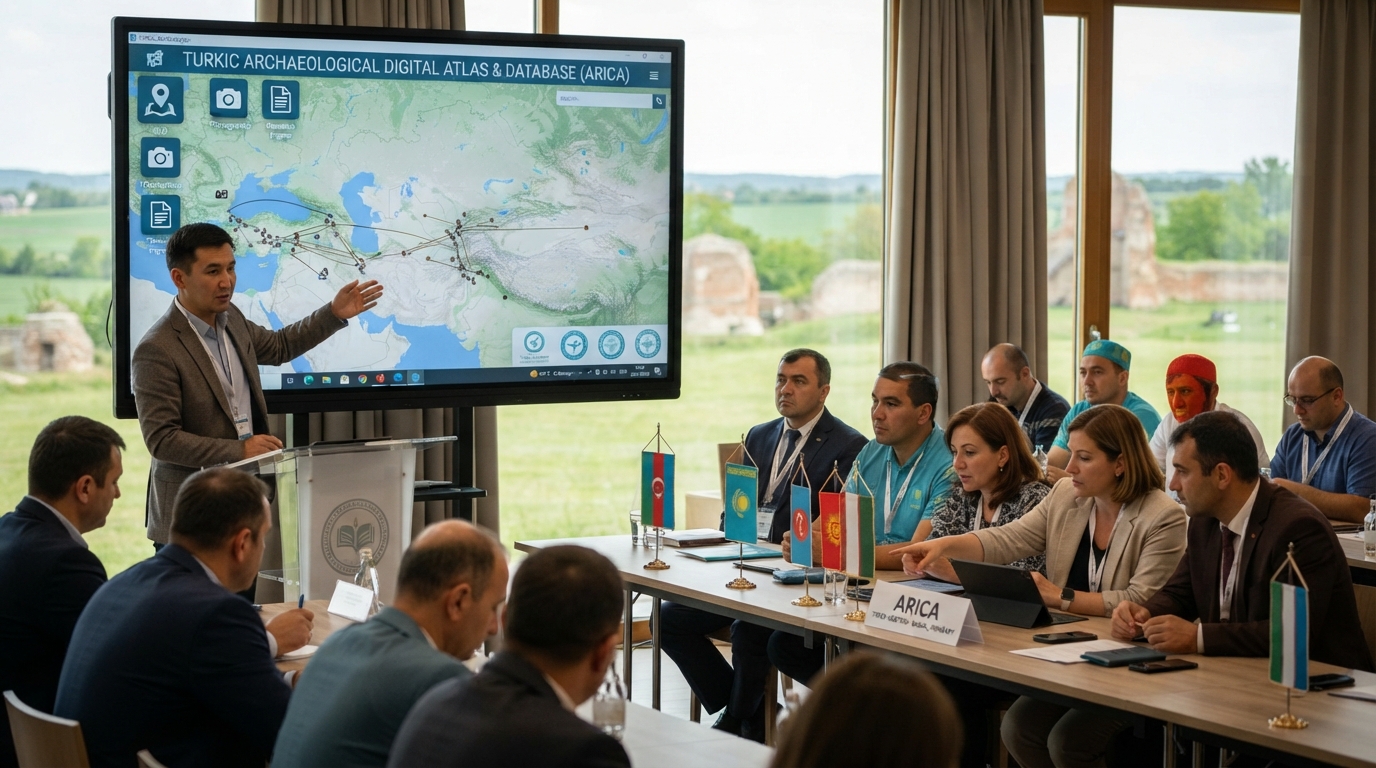
Turkic countries will begin to create a single digital database of archaeological monuments. This was announced by the President of the Turkic Academy, Shahin Mustafayev, at the third meeting of the Association of Turkic World Research Institutes and Archaeological Centers (ARICA) in Bugatti, Hungary. According to him, the Turkic countries aim to create a single digital space for the exchange of scientific information and a database of archaeological monuments.
The concept of the ARICA digital portal and electronic research database was developed at the event. This platform will serve as a permanent platform for communication between archaeological organizations, scientists and academic centers. The database will contain information about joint expeditions and projects, as well as publications, conferences, grants and educational programs. Information about researchers and relevant institutions will also be included.
Experts plan to create an electronic atlas of archaeological monuments. The digital database will bring together information about large objects, including their coordinates, chronology, scientific description, photographs, plans, research results and publications.
At the meeting, the participants also discussed the implementation of joint archaeological projects and the protection of historical heritage. It was proposed to create an international program to study the heritage of the Turkic states. This program will annually identify priority objects, conduct joint excavations and expeditions, document the finds and analyze the results. The main areas of cooperation were selected as the cities of the Silk Road, early Turkic monuments, memorial complexes and ancient irrigation systems. The heritage of Eurasian nomads and medieval industrial centers also fall into this area. For information, the ARICA association was established in 2023 in Samarkand at the initiative of the Turkic Academy.