

Turkey may release up to 3,500 KIP supporters
The Turkish parliament has approved a law on a limited amnesty for fighters from the outlawed Kurdistan Workers' Party (PKK), subject to certain conditions. The document provides a mechanism to allow former PKK members to return to peaceful life. Up to 3,500 prisoners could be released in the initial phase.
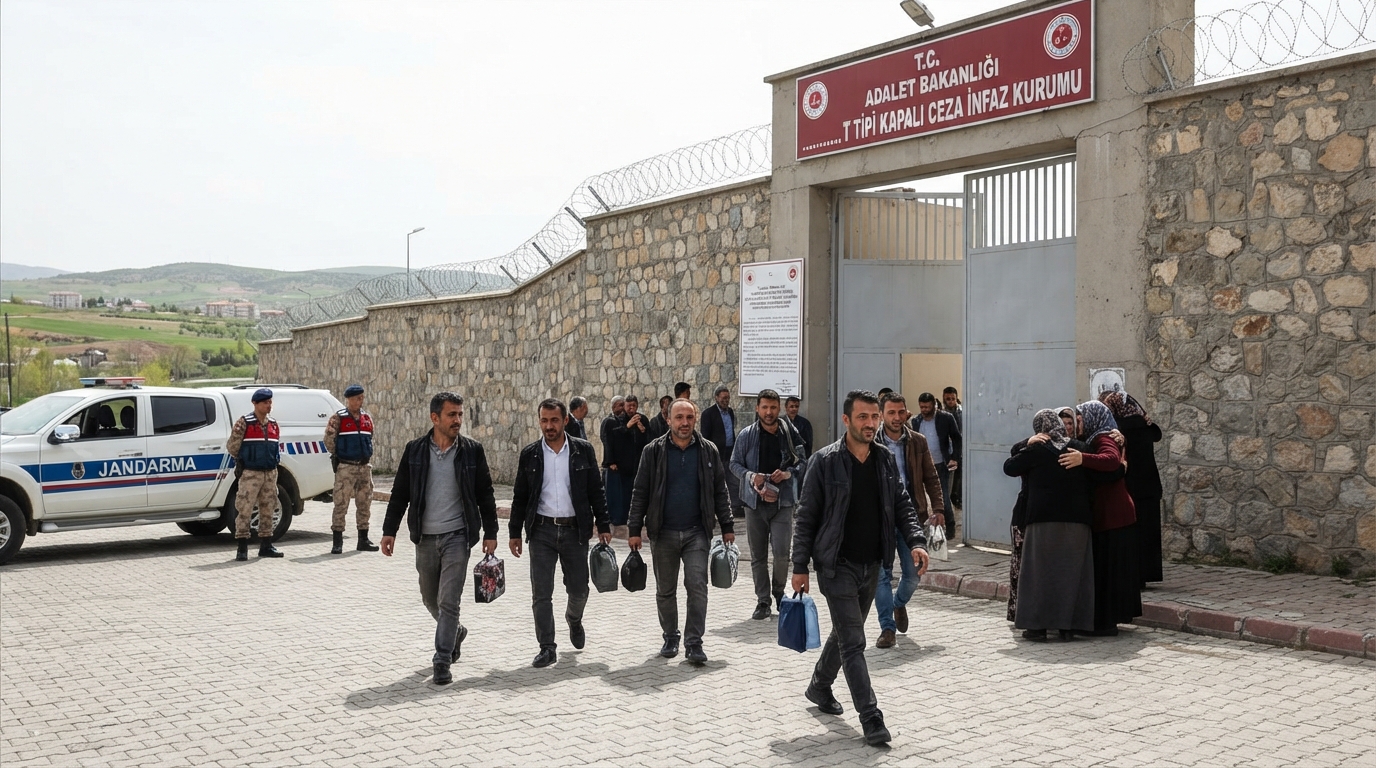
Up to 3,500 PKK supporters may be released in Turkey
The Turkish parliament on August 10 passed a law providing for a limited and conditional amnesty for members of the banned Kurdistan Workers' Party (PKK). The law was voted down by 468 votes to 88, with six abstentions.
The new law, AFP reported, creates a legal mechanism that would allow PKK members to abandon their armed activities and return to peaceful life in Turkey. According to the document, criminal prosecution and the execution of sentences for certain crimes can be suspended for a period of five to ten years. If a person does not commit a new crime during this period, the investigation against him will be closed, and the sentence imposed will be considered served. However, those involved in serious crimes such as murder will not be able to use this procedure.
According to Turkish lawmakers, in the first phase of the law’s implementation, about 3,500 of the approximately 10,000 former PKK members currently in prison in the country could be released. However, the amnesty terms will not automatically come into effect. First, Turkish security services must confirm that the PKK and its affiliates have been disbanded and that they have handed over their weapons. This conclusion must be approved by Turkey’s National Security Council and published in an official publication.
The new law does not specifically address the future of the founder of the Kurdistan Workers’ Party, Abdullah Ocalan. Ocalan has been held in prison for 27 years. PKK representatives have said that many of the law’s provisions will not have the desired effect without his release.
The bill was supported by lawmakers from President Recep Tayyip Erdogan’s ruling Justice and Development Party, its ally, the Nationalist Movement Party, and the pro-Kurdish opposition DEM party. The Turkish presidential administration described the law as an “important signal” in the pursuit of its goal of a “Turkey without terrorism.” The presidential administration called it a “historic step” and said the decision should serve to strengthen peace in the country, as well as the unity of society and the integrity of the state.
Abdullah Ocalan founded the Kurdistan Workers’ Party in 1978. Later, the organization chose the path of armed struggle against the Turkish state, promoting Kurdish rights and the goal of establishing an initially independent Kurdistan. According to AFP, at least 50,000 people have been killed in armed clashes between the PKK and the Turkish army since 1984. A ceasefire was declared between the parties in 2013, but the peace process collapsed in the summer of 2015.
In February 2025, Öcalan, who was serving his sentence on Imrali Island, called on the PKK to lay down its arms and disband. Three months later, the PKK leadership announced the dissolution of the organization and the cessation of its years of armed struggle against the Turkish state. The disarmament process began in July 2025. In late October, the PKK announced that it would withdraw its armed units from Turkish territory, and in November, it would also withdraw from the border area with Turkey in northern Iraq.
The Kurdistan Workers' Party has been banned in Germany as an extremist organization since 1993. The United States, the European Union, the United Kingdom, Canada, and Australia consider the PKK a terrorist organization.