

Prison is more familiar
A large-scale amnesty in Tajikistan has triggered a wave of repeat crimes.
Prison is more familiar
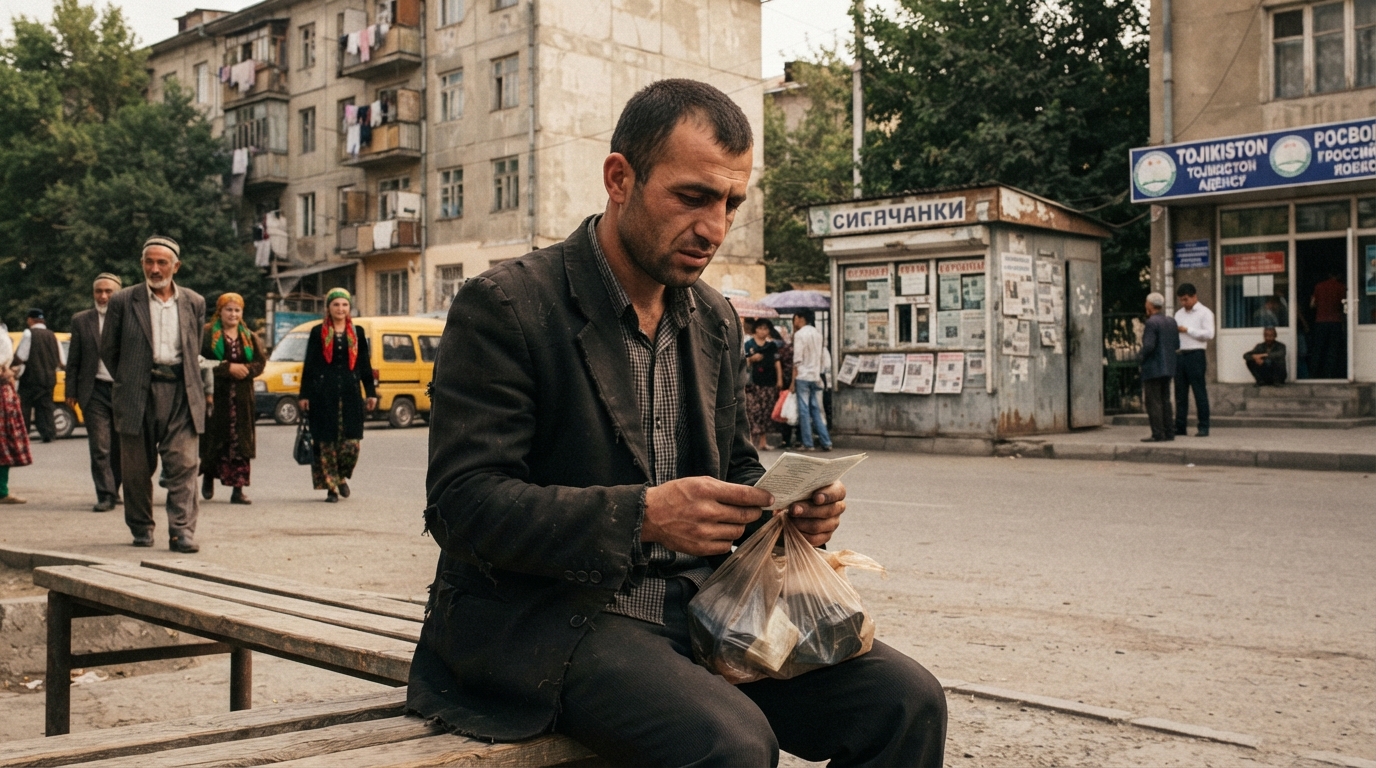
The large-scale amnesty announced by Tajik President Emomali Rahmon, affecting over 18,000 people, has led to a significant increase in recidivism. Of the over 8,000 citizens released, some returned to criminal activity within the first few days: law enforcement agencies recorded a series of thefts in Dushanbe and Khujand involving former prisoners just three days after their release.
Representatives of the judicial system and experts note the low effectiveness of existing preventive measures. The country acknowledges the need to establish a probation system, but emphasizes that without profound socioeconomic reforms, the rehabilitation system will not be able to function. The situation is exacerbated by the reduction in Western funding for human rights NGOs, which previously assisted former prisoners with social reintegration. Released individuals find themselves in a vicious circle: many lack documents, housing, and employment, and without funds, they are unable to renew their documents, nor are they able to find employment due to the requirement for a certificate of no criminal record.
With unemployment high, former prisoners are becoming a vulnerable target for recruiters from extremist organizations. This factor is compounded by the overall negative trend: crime in Tajikistan increased by 5% between 2025 and 2026, with an increase in robberies, assaults, crimes involving juveniles, and drug-related incidents.
An additional catalyst for the crisis was the tightening of migration policies in Russia, which forced tens of thousands of Tajiks to return home. According to an IOM study, one in three returning migrants was left unemployed, and their average monthly income fell from $943 abroad to $309 domestically. New challenges await the republic: laws signed by Russian President Vladimir Putin introduce a complete ban on the legalization of foreigners with criminal records and significantly expand the grounds for deportation, which will permanently close off this category of citizens' access to the Russian labor market.