

Trump could ease sanctions against Russia in exchange for the release of political prisoners - Media
According to journalist Simon Shuster, such a scheme was proposed by special envoy John Kohl. In exchange for easing sanctions in Belarus, he managed to secure the release of about 500 political prisoners.
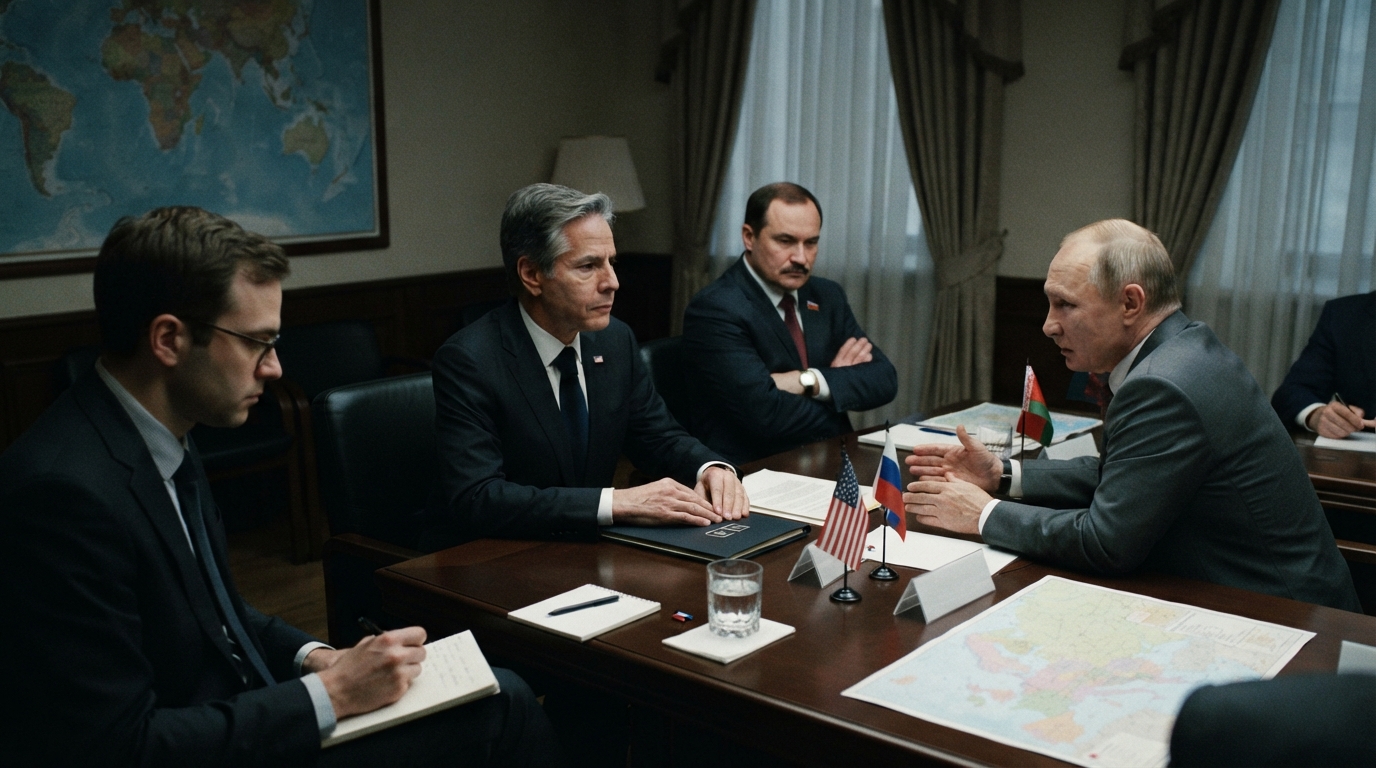
Trump may ease sanctions against Russia in exchange for the release of political prisoners - Media
US President Donald Trump has supported the idea of easing sanctions against Russia on the condition of releasing political prisoners, journalist Simon Shuster wrote. According to his information, such a scheme was proposed by special envoy John Cole. Cole achieved the release of nearly 500 political prisoners in Belarus in exchange for easing sanctions.
At the same time, Washington and Minsk are discussing a major deal on the purchase of Belarusian potash, which the US president announced last week. Cole said that Russia is also participating in these negotiations — due to European sanctions, Belarusian potash has to be transported through Russian territory.
Shuster writes that Cole's plan regarding Moscow is still in its early stages and is aimed at breaking the deadlock in negotiations between Russia and the US. According to the journalist, Vladimir Putin will have a simple way to show goodwill and signs of diplomatic progress in relations with the Americans without stopping strikes on Ukraine. In exchange for releasing prisoners, Washington could offer the Kremlin the easing of sanctions and a return to trade agreements.
Cole believes that such agreements serve peace because "economic ties usually lead to normalization." Ukraine, however, does not share this optimism: President Volodymyr Zelenskyy told The Atlantic journalist that he would do everything in his power to "block" any attempt to lift sanctions against Russia until the war ends.
Belarusian opposition leader Sviatlana Tsikhanouskaya believes that exchanging prisoners in return for lifting sanctions might only encourage the Russian and Belarusian governments to take even more hostages: "They can always arrest more people, while the West, by lifting sanctions and making deals, is losing its leverage to influence these regimes."
The idea of applying the Belarusian experience in negotiations with the Kremlin was suggested to Cole by Dmitry Muratov, the former editor-in-chief of "Novaya Gazeta" and Nobel Peace Prize laureate — he asked Shuster to introduce him to the president's special envoy.
Cole already has a list of Americans in Russian prisons whom Washington could include in future negotiations. Together with Muratov, he has also compiled a separate list of Russian political prisoners, journalists, and those sentenced for their anti-war stance. Specific names and potential concessions by the US have not yet been disclosed.