

"Together, we can provide the resources and partnerships needed to remain sovereign states," Marco Rubio
Joint work between the US and Central Asia will help the countries remain sovereign and increase their overall prosperity, Marco Rubio stated. Among the areas of cooperation, he named the Trans-Caspian route, critical minerals, and training specialists for the technology sector.
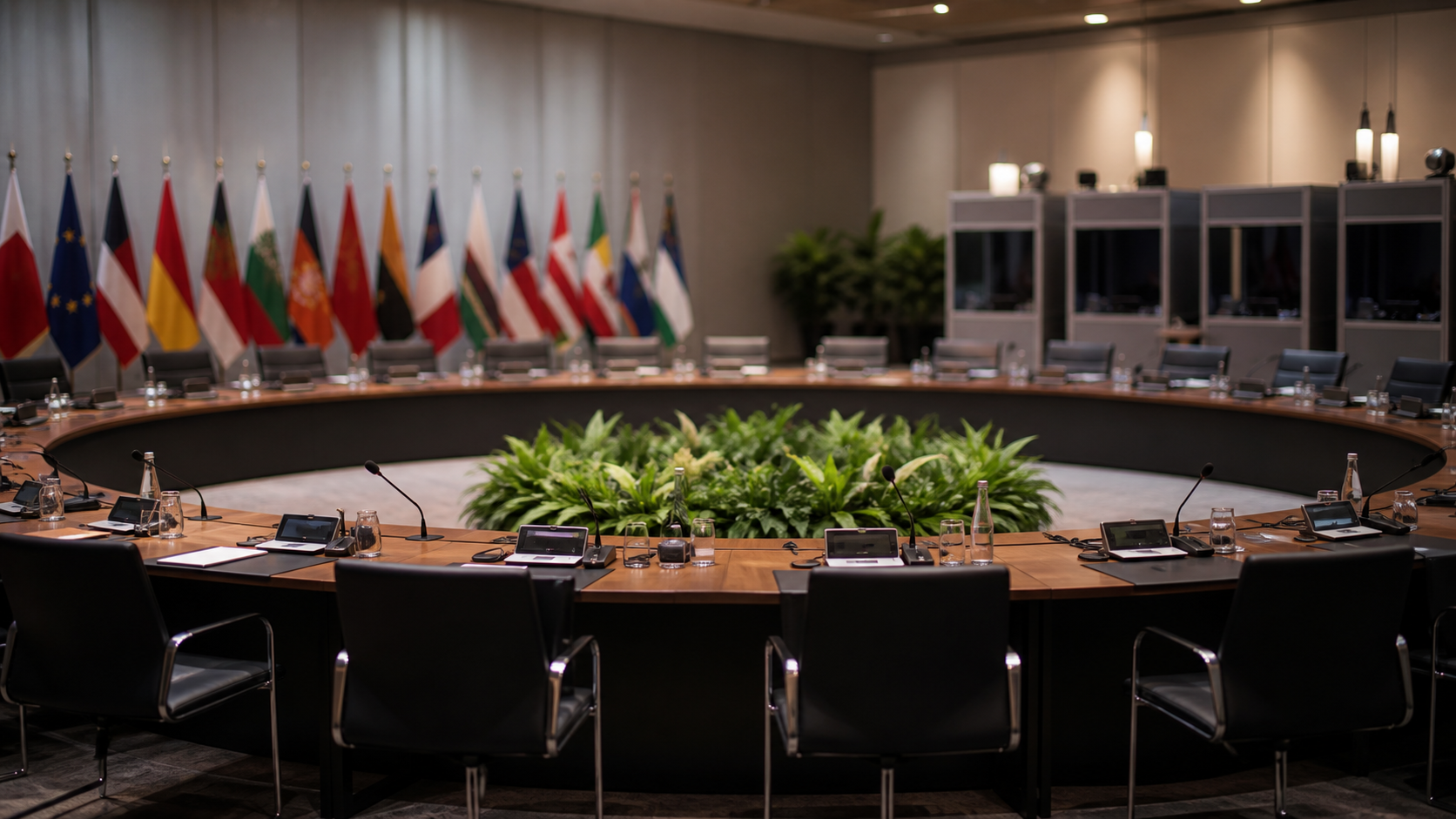
“Together, we can secure the resources and partnerships needed to remain sovereign states” — Marco Rubio
The countries of Central Asia are capable of jointly securing the resources, investments, and trade partnerships needed to preserve their sovereignty and grow their shared prosperity. U.S. Secretary of State Marco Rubio stated this during a meeting of the foreign ministers of the region's countries and the United States in the C5+1 format.
“Together, we can secure for our countries the resources, investment, opportunities, and trade partnerships needed for each of our countries to remain a sovereign state and for us together to advance our shared prosperity,” he said.
According to him, the C5+1 reflects “not only America's interest in a closer, peaceful relationship with the countries of Central Asia, but also its commitment to developing such a relationship.”
Marco Rubio noted that the US is interested in the security of its own industries and supply chains.
“We in the United States seek to secure our critical industries and the supply chains that support them, so that we remain a sovereign, independent country with an independent economy, never dependent on unreliable foreign partners or even adversaries,” he stated.
“Central Asia represents an ideal place for investment and export — a central hub supplying materials vital to the future of all countries,” Marco Rubio emphasized.
Speaking about practical areas of cooperation, the US Secretary of State highlighted the development of transport infrastructure, supply chains for critical minerals, and professional training.
“We will improve the infrastructure of the Trans-Caspian Trade Route and provide our partners with more opportunities to access U.S. and Central Asian markets,” he said.
“We will work to secure our energy future by building integrated, high-value-added supply chains through the Critical Minerals Dialogue. We will train thousands of young professionals to use and maintain advanced American technology in Central Asia's growing tech sector,” the US Secretary of State continued.
Through the “B5+1” Business Forum, according to him, there are plans to facilitate dialogue between government and business to significantly increase bilateral trade and investment.
Marco Rubio also recalled last year's C5+1 meeting in Washington, in which he participated.
“That White House meeting alone yielded $25 billion in new deals that strengthened our transportation, energy, and financial sectors, as well as other vital foundations of our economies,” he stated.
According to him, US President Donald Trump and the leaders of the Central Asian nations then committed to creating regulatory environments and labor market conditions conducive to expanding trade and investment. This week's meetings are aimed at further fulfilling these agreements.
“All the countries gathered here this week are distinctive, sovereign, independent states with their own cultures and interests. Each of them determines its own destiny,” Marco Rubio emphasized.
“We in the United States want them to thrive as independent states. We want to be their partners on this journey,” he concluded.