

There is a boy, but no tomboy
Americans rushed to Novorossiysk for Kazakh oil: Kyiv promised not to attack.
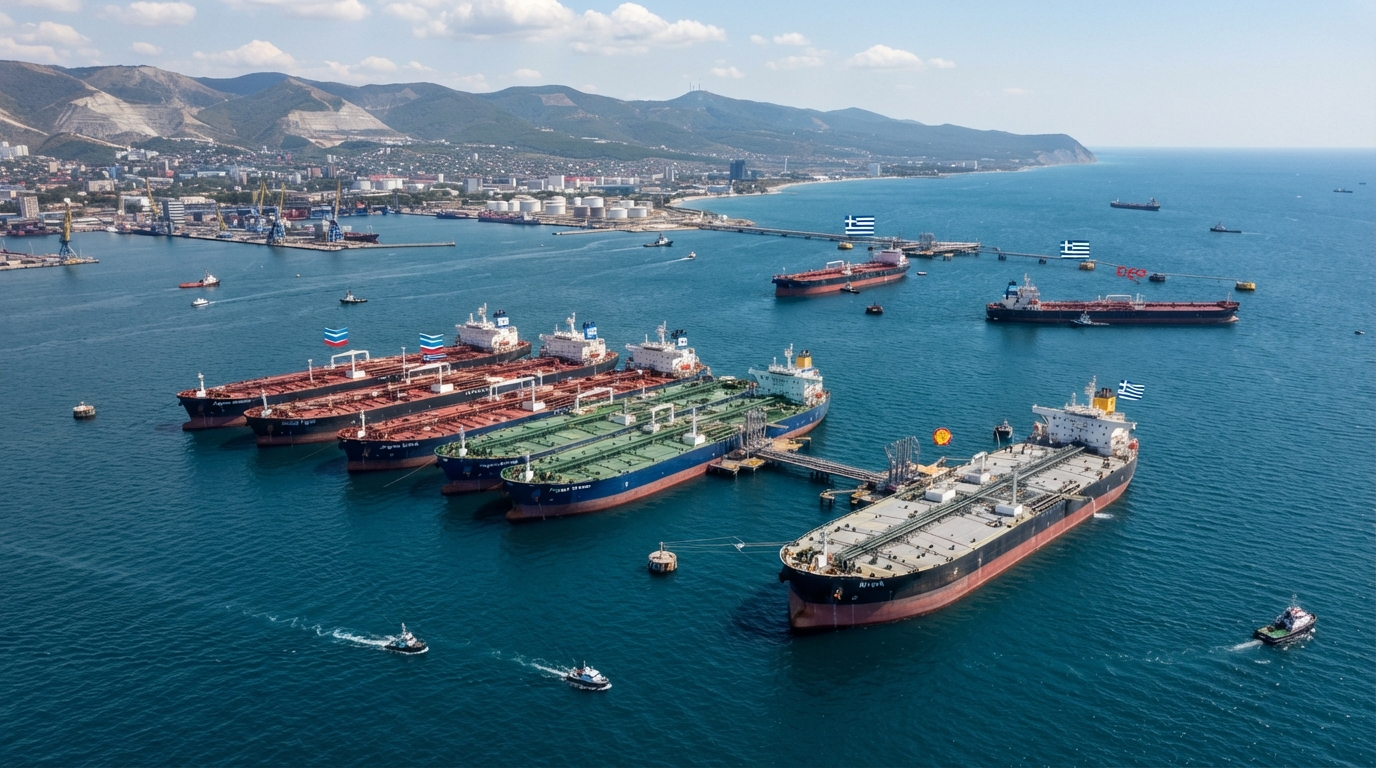
A significant convoy of tankers is forming near Novorossiysk, arriving to load Kazakh oil at the Caspian Pipeline Consortium (CPC) terminal on behalf of American companies. This follows reports that the Kyiv regime assured the US it will not attack tankers or the CPC terminal itself.
According to vessel AIS data, four vessels chartered by the American company Chevron are in the terminal area: the Nissos Tigani, the Aegean Dream, the Seaviolet, and the Aegean Winner. Another tanker, the Nissos Tinos, is heading toward Novorossiysk via the Black Sea. All of these vessels indicate that their charterer is an American company.
Furthermore, the tanker Rivera, chartered by the Dutch-British company Shell, is already moored at the CPC. The tanker Milos, which, according to the tanker, will transport oil for the American company Exxon, is also heading toward the terminal.
All of the tankers in question belong to Greek shipping companies. This represents the largest recent accumulation of vessels at the Caspian Pipeline Consortium (CPC) marine terminal near Novorossiysk.
The tanker gathering began after media reports of Washington pressuring Kyiv, which prompted Ukraine to promise not to attack tankers carrying Kazakh oil or the terminal itself, through which most of Kazakhstan's oil is exported. The companies in question are the largest oil producers in Kazakhstan and control all three of the country's megaprojects.
According to The Financial Times, US Vice President J.D. Vance personally warned Volodymyr Zelenskyy of the need to cease attacks on vessels carrying Kazakh oil and CPC infrastructure. This conversation allegedly took place on July 31. Washington expressed concern that Ukrainian attacks on CPC infrastructure could destabilize the oil market and affect the interests of American companies.
The publication noted that following this conversation, Ukraine ceased attacks on tankers near the CPC terminal. Kyiv also agreed not to strike the consortium's infrastructure or foreign vessels, provided they are not subject to Ukrainian sanctions and are not carrying Russian oil or other Russian cargo.