

The US is completely withdrawing its forces from Iraq. What does this mean?
The last remaining 2,500 US military personnel in Iraq will also leave the bases in the country by September 30. This marks the end of more than 20 years of US military presence in Iraq. Baghdad is celebrating this as independence, while Iran is interpreting the process as its own victory.
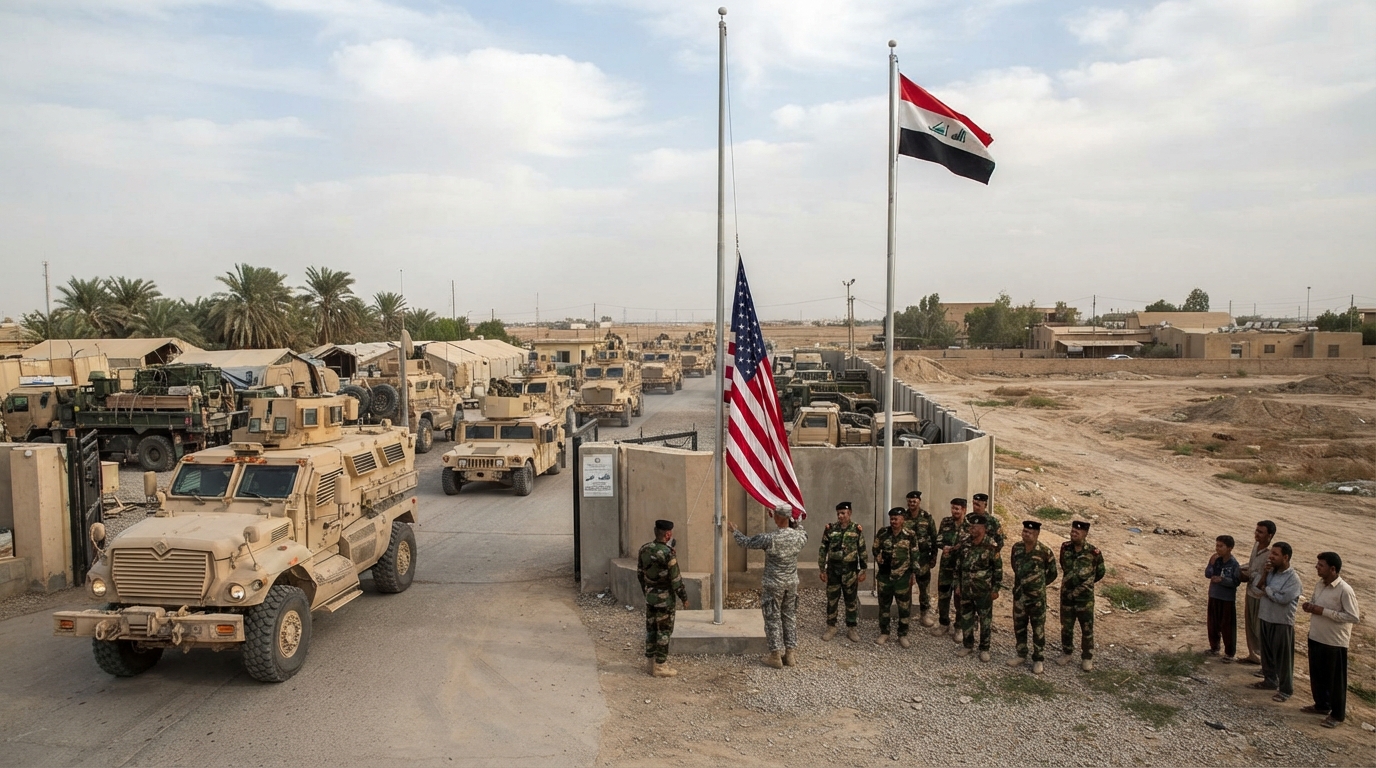
The US is fully withdrawing its forces from Iraq. What does this mean?
US troops are preparing to leave their last bases in Iraq by September 30, it was reported.
According to the publication, in this country, where more than 4,500 Americans died in a war that lasted over 20 years, Iran's influence is strong today, and Tehran and its allies are celebrating the US withdrawal as a victory.
Iraqi security experts say the troop withdrawal process, which was agreed upon in 2024 under President Joe Biden's administration and is now being implemented by the Donald Trump administration even amid a war with Iran, could give Tehran and its powerful allies greater freedom, while also allowing other US adversaries, including ISIS, to regroup.
This process means the complete completion of the withdrawal of the remaining 2,500 military personnel from Iraqi territory. Their departure will put an end to the 12-year US-led Operation Inherent Resolve against the ISIS terrorist group. At that time, the group was advancing across the country and neighboring Syria.
"Iran will benefit strategically from the coalition's withdrawal, as it removes a military presence that has for years acted as a barrier to Tehran's influence in Iraq," said Iraqi security analyst Jasim al-Bahadili.
In his view, pro-Iranian armed groups will not only interpret this withdrawal as a victory for their actions, but "will seek to translate this momentum into even greater influence in security and political decision-making."
Abu Mujtaba al-Yasiri, one of the commanders of the Islamic Resistance in Iraq, which unites Iran-backed armed groups, called the withdrawal of US troops "a historic victory for the Iraqi Islamic resistance groups and honorable Iraqis, and a crushing defeat for the American project."
"On September 30, we will celebrate the closing of a dark page in Iraq's history and the failure of the occupiers to impose their will on our country," he told Reuters. "Iraq has proven that its sovereignty is secured not by foreign forces, but by the resistance and will of the people."
"October 1 will be a new historic day in Iraqi statehood: the country will be freed from any foreign military presence and will fully restore its national sovereignty over its territory," said Iraqi Prime Minister Ali az-Zaidi.
It is noted that this date will be celebrated as "Independence Day" and a 4-day holiday will be officially declared.
While the complete withdrawal of US forces is approved by most Iraqis, those worried about the rise of Iran-linked groups consider this step hasty.
US forces entered Iraq in 2003 to overthrow Saddam Hussein, after which a Shia-led government was established in the country, and withdrew at the end of 2011.
Less than three years later, they returned to help Iraqi forces defeat ISIS in a major war from 2014 to 2017.
Nearly twice as many Americans died in Operation Iraqi Freedom — significantly more than the losses in the war in Afghanistan, which ended with a hasty withdrawal of US troops in 2021.
In recent years, Iraq has been the only country to simultaneously maintain close political and military ties with both the US and Iran, but these countries have sometimes used Iraqi territory as a proxy battlefield.
The US killed Iran's top commander Qasem Soleimani in a strike on Baghdad airport in 2020. Iran's allies, in turn, repeatedly attacked US bases, which sometimes triggered retaliatory strikes.
Of the 18 US military personnel killed in clashes with Iran this year, 7 died in Iraq. The latest was an army sergeant killed in July during a controlled detonation of a drone at a base near Erbil.
Iran, which says its ultimate goal is to force American troops to withdraw from the entire Middle East, interprets the US withdrawal from Iraq as a victory for its "axis of resistance" consisting of allied armed groups across the region.
Once the Americans leave the country and the region, "lasting security will be established in Iraq," said Amir Hayat Moqaddam, deputy chairman of the Iranian parliament's National Security Commission.
Iran "welcomes the withdrawal of American troops from Iraq and, undoubtedly, supports this," he told the Iranian parliament's news service. "Resistance groups are currently taking action, sometimes targeting American troops and confronting them."
Washington has accused pro-Iranian groups in Iraq of playing a role in the broader Middle East conflict by launching attacks on neighboring countries at Tehran's behest, including striking a major Saudi Arabian oil pipeline this month. The Baghdad government, meanwhile, insists it is trying to curb their influence.