

The preservation of the Aral Sea basin ecosystems was discussed in Tashkent.
In Tashkent, participants of the Aral Sea Wetlands project discussed ecosystem restoration, biodiversity conservation, and environmental management.
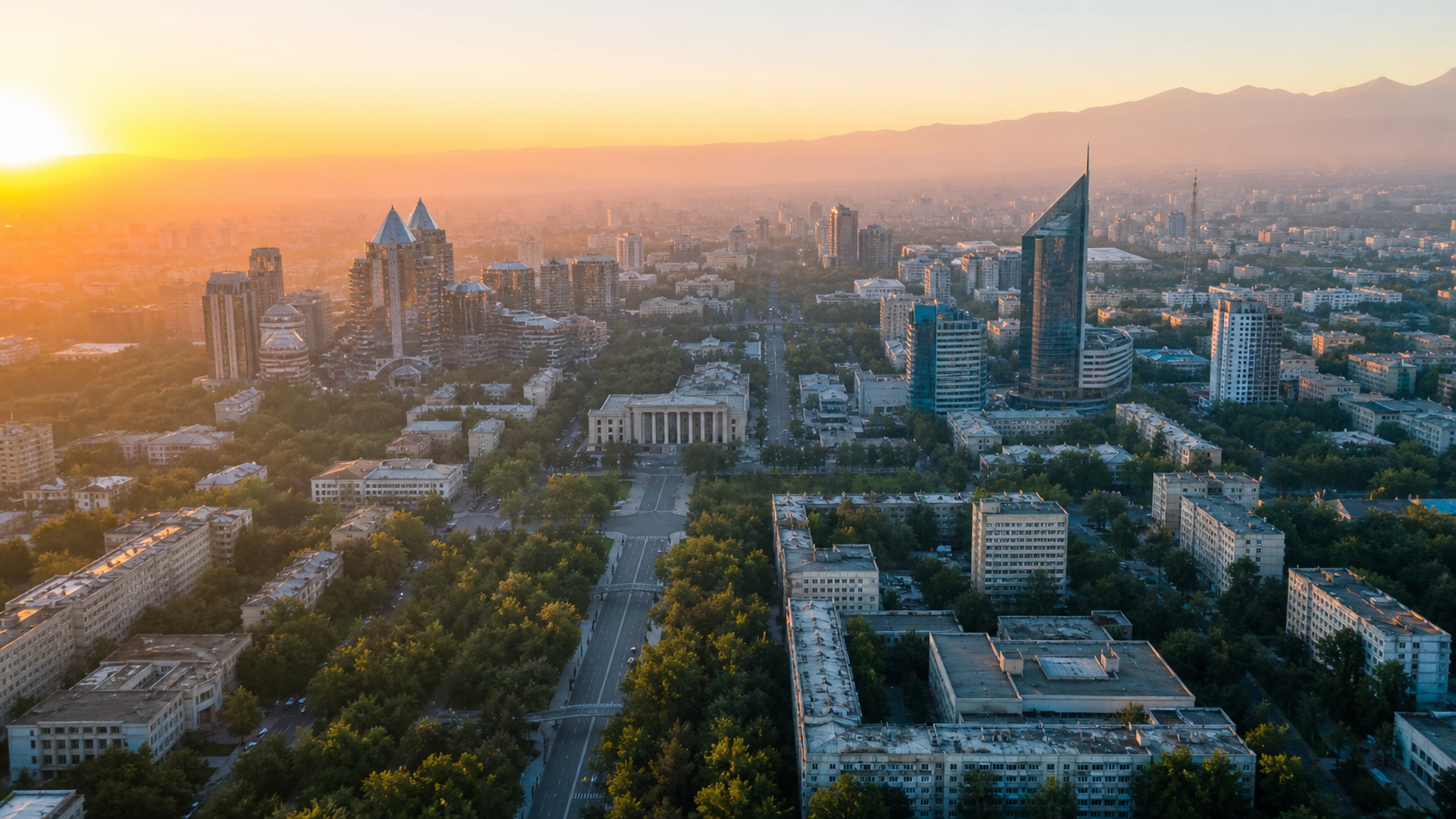
The seventh meeting of the Aral Sea Wetlands Project Coordination Council, dedicated to preserving the Aral Sea Basin ecosystems, was held in Tashkent. The meeting, held at the United Nations Development Programme (UNDP) office in Uzbekistan, focused on summing up the work for the second quarter of 2026 and identifying next steps to protect the region's unique natural complexes.
The Aral Sea Wetlands Project is a joint initiative of UNDP, the Global Environment Facility (GEF), and the National Committee on Ecology and Climate Change of the Republic of Uzbekistan. Its key goal is to ensure sustainable management of lakes, wetlands, and coastal zones in the Aral Sea Basin, as well as the restoration of damaged ecosystems.
The meeting was co-chaired by Alisher Salomov, Advisor to the Chairman of the National Committee on Ecology and Climate Change, and Anas Fayyad Karman, Acting UNDP Resident Representative in Uzbekistan.
During the meeting, participants discussed in detail the results achieved during the reporting period, as well as issues related to biodiversity conservation, restoration of degraded areas, and improvement of environmental management systems.
During the second quarter, the project conducted 17 educational events—seminars and trainings—for specialists working in water and land resource management.
Particular attention was paid to a three-day media expedition organized in July. Media representatives visited natural sites and ecosystems along the lower reaches of the Amu Darya River. Following the expedition, media outlets published materials highlighting the region's natural potential, existing environmental challenges, and the importance of preserving its ecosystems.
Meeting participants also reviewed the progress of the Micro-Grant Program, which aims to support local initiatives for the conservation and sustainable use of natural resources and ecosystems in the Aral Sea Basin.
One of the key agenda items was the announcement of a new UNDP innovation competition in Uzbekistan, entitled "Innovative Solutions for the Restoration of Degraded and Salt-Affected Lands in the Lower Reaches of the Amu Darya." The competition is expected to help identify and implement effective practical solutions for restoring degraded lands and enhancing the resilience of the region's ecosystems.
Furthermore, the Coordination Council discussed legal and institutional aspects of environmental management, capacity development, compliance with environmental legislation, and biodiversity conservation measures.
At the end of the meeting, key activities and budget priorities for the project for the third quarter of 2026 were identified.
The joint efforts of the National Committee on Ecology and Climate Change, UNDP, the GEF, and other partners are aimed at comprehensively restoring the Aral Sea Basin ecosystems and improving environmental management. Conservation of wetlands is viewed not only as an environmental objective but also as an integral part of the sustainable development of these territories, where the well-being of the population directly depends on the state of natural resources.