

The Ministry of Economy and Finance explained why the pension system is being changed and what awaits future pensioners
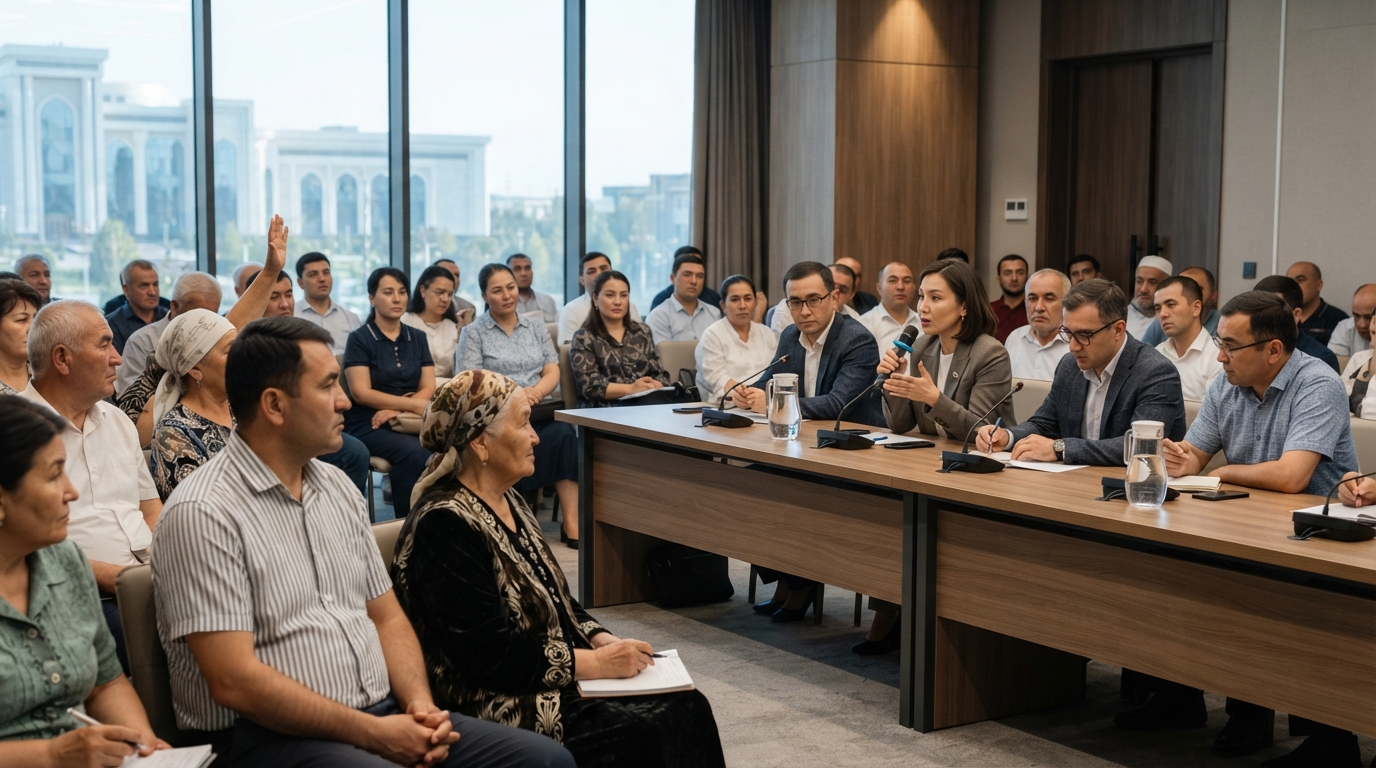
The Ministry of Economy and Finance explained why the pension system is being reformed and what awaits future pensioners
In Uzbekistan, it is proposed to comprehensively revise the pension system: to gradually raise the retirement age, increase the minimum length of service, calculate the amount of payments differently, and oblige the self-employed to pay social tax. The Ministry of Economy and Finance presented the details of the reform and clarified how it might affect future pensioners.
The ministry specifically emphasized that pensions and benefits already assigned are not going to be revised or reduced. The innovations will apply only to future pension payments.
The Ministry of Economy and Finance attributes the need for reform, among other things, to demographic shifts. According to the ministry, the average life expectancy in the country has increased from 67.9 to 75.4 years. The share of pensioners in the population was 11.2% in 2025, and by 2040, according to forecasts, it could grow to 15%.
At the same time, the current law on state pension provision was adopted back in 1993.
How they want to change the calculation of pensions
Currently, when assigning a pension, earnings for five consecutive years within the last ten years of work activity are taken into account. The Ministry of Economy and Finance proposes to gradually extend this period to 20 years.
In addition, they plan to exclude 10% of the period with the lowest earnings from the calculation. The ministry explains that this will make it possible to ignore, for example, periods of illness or other circumstances due to which a person's income temporarily decreased.
From 2028, it is also proposed to increase the maximum amount of earnings taken into account when calculating a new pension, from 12 times to 13 times the base value for calculating pensions. In current monetary terms, this means an increase from 6 million to 6.6 million soums.
The requirement for length of service will also change. Currently, to be assigned a pension, it is necessary to have at least seven years of service. From 2027, it is proposed to increase this figure by one year annually and bring it to 15 years by 2034.
For citizens who will not be able to accumulate the required length of service, it is proposed to retain the opportunity to receive an age benefit five years after reaching retirement age.
What will change for the self-employed
A separate block of the reform concerns the self-employed. According to the Ministry of Economy and Finance, there are about 5.9 million of them in Uzbekistan. At the same time, in 2025, only 860 thousand self-employed paid social tax.
The ministry proposes to make the payment of social tax mandatory for this category, while maintaining the current rate. Currently, the annual payment is about 440 thousand soums. They want to allow it to be paid in installments — for example, 36 thousand soums per month.
The payment of the tax will be counted towards the length of service and will form pension rights. In addition, it is proposed to provide social benefits for the self-employed in case of temporary disability, pregnancy, and childbirth.
They also want to allow citizens with official income to voluntarily pay social tax for non-working family members. This will allow forming length of service and pension rights for them.
What is happening with the funded system
The Ministry of Economy and Finance also proposes to change the funded part of the pension system. The ministry notes that currently citizens participate in it voluntarily to a weak extent: in 2025, the number of such participants was about 12.5 thousand people.
Against this background, it is proposed to revise the rules for using pension savings before reaching retirement age and the mechanism of state co-financing. These provisions are placed in separate parts of the draft.
In general, the reform includes seven areas, including changes to the retirement age, the procedure for calculating payments, the social insurance system, and the digitalization of pension services.
At the same time, the draft is not yet final. Its public discussion will last until September 30.