

The khokim's assistants are among the people (Dehibaland mahalla)
Interview with Nuriddin Khushvaktov, Nurata district, Navoi region, in the Dekhibaland mahalla.
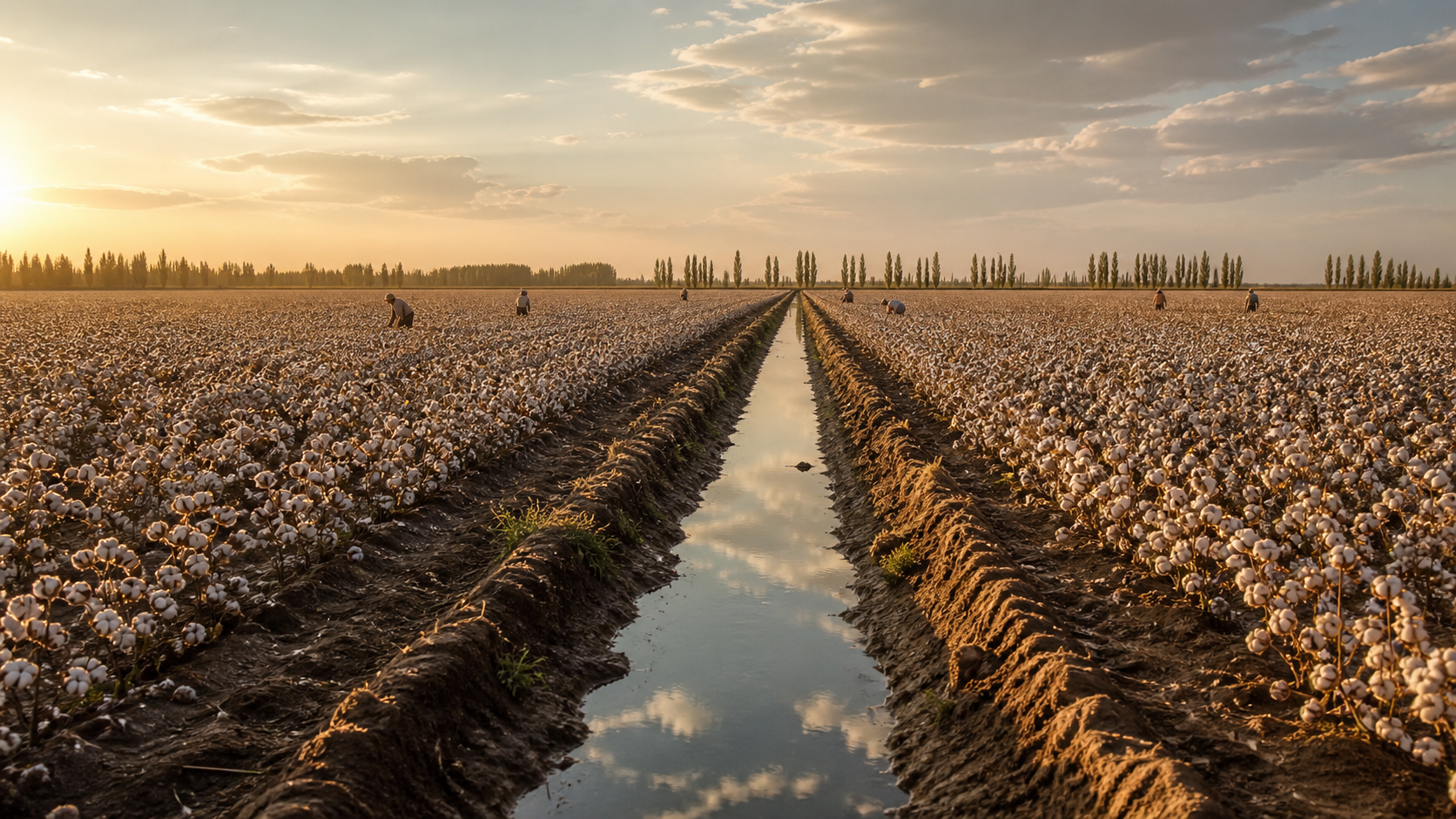
Assistants to the Khokim: A Look Inside the Dekhibaland Mahalla
**About Me and My Career Path**
My professional career began in 1995 after graduating from Tashkent Polytechnic University with a degree in engineering. From 1995 to 1997, I taught at the Nurata Vocational School, then from 1997 to 2011, I worked as a labor inspector at the Nurata District Employment Promotion Center, and from 2011 to 2014, I headed the center. From 2015 to 2019, I served as chairman of the village and mahalla citizens' assemblies. From 2019 to December 2021, I managed the Umid Lobar enterprise, also pursuing entrepreneurial activity. After successfully interviewing with the Republican Working Group, I have been working as an assistant to the khokim of the Nurata District in the Dekhibaland Municipal Group since January 2022.
**Portrait of the Dekhibaland Mahalla**
The Dekhibaland Mahalla has 345 households, 532 families, and 1,739 residents. The mahalla's infrastructure includes one comprehensive school, one family doctor's office, one state preschool, one cultural center, and a building housing the mahalla citizens' assembly. Currently, 32 businesses operate here, including 12 manufacturing plants, 17 retail outlets, and three farms. The main economic driver is livestock farming, which provides income for the majority of residents.
In 2019, the mahalla was included in the "Obod Mahalla" program, under which the streets were completely graveled, 5 km of internal roads were paved, the school building was completely renovated, and new buildings were constructed for the family doctor's office, the mahalla citizens' assembly, and the state preschool educational institution. A centralized water supply was installed in residents' homes. In 2026, "Dehibaland" received the status of "Mahalla with the Image of New Uzbekistan," which facilitates further improvements.
In the social sphere, active efforts are underway to ensure employment by encouraging entrepreneurship with preferential loans. In 2026, 30 land plots along a major highway were put up for auction for citizens wishing to start a business. Entrepreneurs who purchased these plots have already begun construction, which will lead to the creation of 30 new businesses.
**Growth Drivers and Development**
In addition to livestock farming, the mahalla has potential for small marble processing plants, given the proximity of the Gazgan marble mine. Currently, 10 such enterprises are operating, and several more are in the process of opening. We actively assist entrepreneurs in finding markets and promoting their products.
Livestock farming, a traditional industry in the mahalla, continues to develop. We have encouraged entrepreneurs to consider establishing milk, dairy, and meat processing plants to further develop this sector.
**Entrepreneurship and Employment**
Currently, 32 enterprises operate in the mahalla, including 12 manufacturing, 17 trading, and 3 farms. More than half of these were established in recent years.
**Poverty Reduction**
There are 24 families listed on the mahalla's social registry, 10 of which are considered low-income due to the disability of their members. I propose providing them with livestock subsidies, which will allow them to earn additional income and escape poverty.
**Frequent Citizen Requests**
Mahalla residents most often turn to me for assistance in obtaining subsidized loans to start businesses and assisting unemployed citizens in finding employment. I strive to utilize available resources to address these issues as effectively as possible.
**Innovative Approaches to Reducing Unemployment**
To reduce unemployment, we organize training for citizens at vocational training centers tailored to their interests, after which they are provided subsidized loans to start businesses.
**Suggestions for Improving the Performance of Assistant Khokims**
Assistant Khokims act as a link between the government and the population. To improve their effectiveness, it would be appropriate to expand their authority to support entrepreneurial initiatives. This would accelerate the creation of new businesses and jobs, and more effectively combat poverty.
**Dream Project**
If there were no budget, time, or resource constraints, I would, in consultation with experienced entrepreneurs, establish a textile enterprise in the mahalla to produce in-demand products. This would provide employment for unemployed women, a pressing issue in rural areas.
**The Importance of Reforming the Mahalla Institution**
The President of Uzbekistan's initiative to develop the mahalla institution became the foundation for the transition to a bottom-up system. Previously, initiatives came from higher-level organizations, and the mahalla merely implemented them. Today, the mahalla has become a key element in launching and implementing reforms. Each household is studied, problems are identified locally, and decisions are made based on these findings, allowing for the efficient use of time and resources.
The main change in the work style is that activities are organized not from the office but directly through outreach to the population and households, with an emphasis on fundamental and long-term problem solutions rather than temporary alleviation. This facilitates the prompt resolution of employment, social assistance, and infrastructure issues, strengthens public trust in government agencies, and enhances the role of the mahalla as a representative of citizens' interests.
**Fundamental Changes in Work Style**
The President's initiative was positively received by the population. Previously, citizens had to spend 3-4 days contacting district organizations on issues that could be resolved in the mahalla. For example, obtaining a preferential loan for business took months and required collecting numerous documents. Today, citizens submit an online application, the khokim's assistant visits the site, reviews the application, and provides a positive recommendation. As a result, a loan can be obtained within 3 business days. The "Mahalla Seven" system, which provides services to members of each family according to their category, creates comprehensive amenities for the population.
**Issues Resolved in 2025 within the "Mahallabai" System**
In 2025, our main areas of activity were developing entrepreneurship, training citizens for vocational skills, increasing family incomes, and providing employment. For example, in the Dekhibaland mahalla, Chinese investors are building a 300 MW solar power plant and a 150 MW energy storage system. The solar panel installation project has already provided permanent employment to 85 men and 16 women, with an average monthly salary of 8 million soums.
**Priority Objectives for 2026 – "Year of Mahalla Development and Social Prosperity"**
Our main areas of work this year:
* Ensuring gainful employment, creating a job or a stable source of income for every unemployed citizen. * Vocational training for members of low-income families and their involvement in small businesses.
* Targeted outreach to youth and women, providing comprehensive assistance in obtaining education and mastering vocational skills.
* Comprehensive development of mahalla infrastructure: roads, water, electricity, gas, internet, and improving living conditions.
**Expected changes for mahalla residents this year**
The announcement of 2026 as the "Year of Mahalla Development and Social Prosperity" is already making its impact in our mahalla. The inclusion of "Dehibaland" in the "Mahalla with the Image of the New Uzbekistan" category has radically changed it for the better. More than 30 citizens wishing to engage in entrepreneurship were allocated land plots through the "E-auction" platform. We helped them obtain preferential loans, which will provide employment for over 60 of our residents.
**New Goals and Plans for 2026 and a Vision for the Mahalla in Five Years**
Since our mahalla's residents specialize in livestock farming, 286 households keep 523 dairy cows, each producing at least 5 liters of milk per day, totaling 2,615 liters daily. Residents receive additional income from the sale of milk and dairy products. By the end of the year, we plan to build a milk and dairy processing facility. Our goal is to transform the mahalla into a territory free of unemployment and poverty by the end of 2026.
Zhamoliddin Turdimov, CEIR
Economic Review Magazine, No. 6/2026