

The highest unemployment rate among women in Central Asia is in Uzbekistan.
Gender imbalance isn't just about the wage gap between men and women. It encompasses several sociocultural factors that impact women's quality of life. These include higher rates of female unemployment, diminished career prospects due to uneven household chores, and differences in men's and women's access to high-income jobs. […]
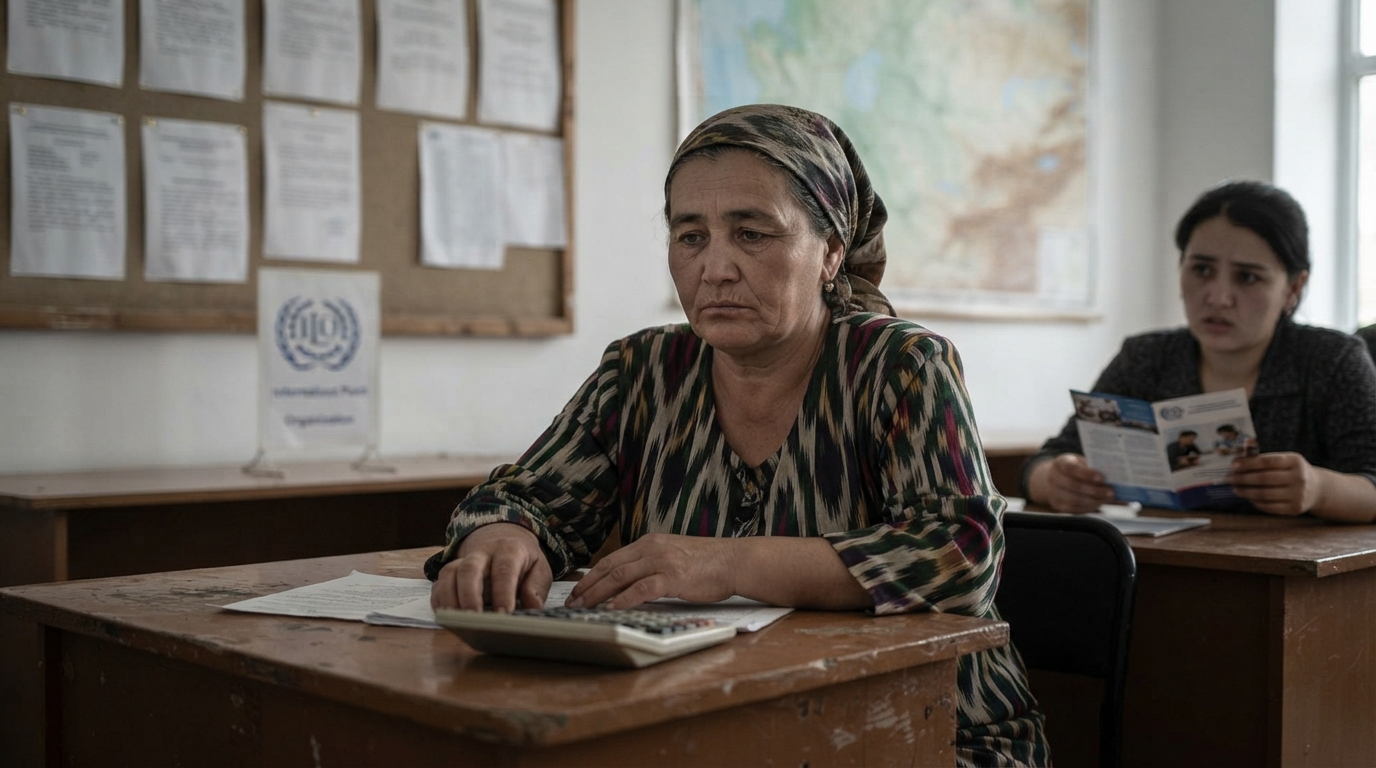
Uzbekistan has the highest female unemployment rate among Central Asian countries.
Gender inequality manifests itself not only in wage gaps but also in a number of sociocultural factors that impact women's quality of life. These include higher unemployment rates among women, limited career opportunities due to the uneven distribution of household responsibilities, and differences in access to high-income sectors of the economy. Regional differences and entrenched social stereotypes also play a significant role. Older women are often the most vulnerable group.
According to the International Labor Organization (ILO), the unemployment rate among women in Uzbekistan reached 6.6% in November last year, 3.1 percentage points higher than the unemployment rate among men (3.5%).
The situation across Central Asia is uneven. Besides Uzbekistan, higher rates of female unemployment are observed in Kazakhstan (5.5% among women versus 4.1% among men) and Kyrgyzstan (4% among women versus 3.2% among men).
In Tajikistan and Turkmenistan, by contrast, the unemployment rate among men exceeds that among women. Experts note that female unemployment figures may be underreported due to the high level of informal employment among women in Central Asian countries, which is rarely captured by official statistics and is not classified as unemployment, as women who are actually employed do not seek work.
Globally, Uzbekistan's figures are in the average range. By comparison, in Afghanistan, the gender unemployment gap is 12.5 percentage points (25% among women versus 12.5% among men), and in Saudi Arabia, it is 8.2 percentage points.
Meanwhile, in a number of developed countries, such as Sweden, Japan, and Germany, gender differences are minimal or even skewed toward lower unemployment among women. The only country among the countries surveyed where parity is observed in this indicator is the United States: 4.2% for both men and women.
ILO data may differ from the indicators provided by the National Statistics Committee of the Republic. ILO experts explain this by the fact that some countries use their own internal methodologies rather than the recommendations of the International Conference of Labour Statisticians. Therefore, the ILO collects baseline information from countries and independently calculates indicators to ensure international comparability of statistical data.