

The case of a former probation inspector accused of driving his wife to an attempted suicide will be heard in court
A former probation inspector in the Samarkand region is accused of driving his wife to an attempted suicide and threatening to kill her. According to Nemolchi.uz, the woman repeatedly appealed to the internal affairs authorities; however, her husband was punished only with reprimands, and the leadership of the district department of internal affairs urged the spouses to reconcile.
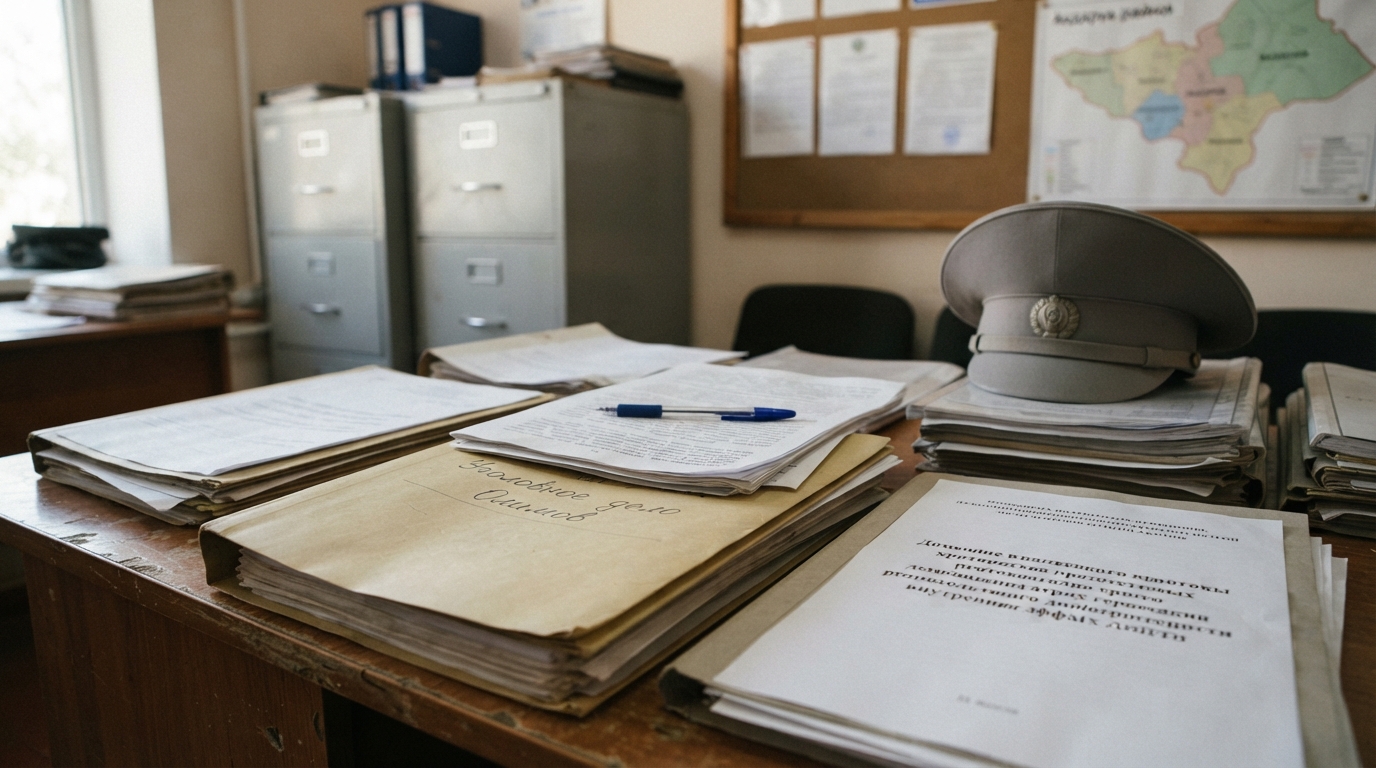
Case of Former Probation Inspector Accused of Driving Wife to Suicide Attempt Sent to Court
The criminal case against Bekhzod Olimov, a former probation inspector of the Akdarya District Department of Internal Affairs in Samarkand Region, has been submitted to court. This was reported by Nemolchi.uz, an anti-violence project in Uzbekistan, citing the indictment.
Bekhzod Olimov is charged under paragraph "a" of Part 2 of Article 103 of the Criminal Code of Uzbekistan (Driving a person in material or other dependence on the offender to suicide or attempted suicide), as well as Part 1 of Article 112 (Threat of murder or use of violence).
The first of these articles carries a penalty of imprisonment for a term of 7 to 10 years.
According to the investigation, Olimov regularly beat his wife, abused her, and repeatedly threatened to kill her. Investigators link the woman's attempt to take her own life on the night of May 6–7, 2026, precisely to her husband's abuse. Forensic medical examination classified the injuries she sustained as life-threatening severe bodily harm.
The authors of Nemolchi.uz noted that Olimov does not admit guilt and denies threatening her with his service weapon.
According to Nemolchi.uz, the indictment also describes previous episodes of violence and threats that were known to the internal affairs authorities.
In particular, according to the victim's testimony, on February 15, 2026, her husband threatened her with his service pistol, saying: "I'll shoot you in the forehead right now." Her father, who had called the 102 emergency number, also told investigators about the threat involving the weapon.
According to the woman, after this, the head of the district department of internal affairs, Alisher Ibodov, persuaded her and her father to forgive Olimov for the sake of preserving the family, promising to take the situation under control. The victim's father also told investigators that the head of the department and his deputies promised to conduct preventive talks and prevent further disputes.
According to Ibodov's testimony, he reconciled the spouses and promised to help the family.
"And all this despite repeated instances of violence and threats against the woman. In effect, they tried to preserve the family at the cost of her health and life," Nemolchi.uz emphasized.
Sanjar Iboev, the deputy head of the district department of internal affairs for public safety, also told investigators about the woman's repeated appeals in 2025–2026. According to him, internal investigations were conducted regarding the complaints, and disciplinary sanctions were applied to Olimov.
Following a beating in January 2025, according to the victim, her husband received a reprimand around February of that year. He received another reprimand on March 6, 2026—after the February incident when, according to her testimony, he threatened her with a gun.
According to Nemolchi.uz, Olimov was taken into custody on July 4—nearly two months after his wife's suicide attempt. The project reported on the incident in May.
Nemolchi.uz raised questions about the timeline of Olimov's detention and why the woman's previous appeals, including the report of a threat with a service weapon, failed to ensure her protection. The project also called for an assessment of the actions of the internal affairs department leadership, who were aware of the violence and threats.
"There is much talk in the country about zero tolerance for violence and the protection of women. However, words must be backed by actions taken by internal affairs departments after a complaint is filed. How can one trust law enforcement agencies if, in response to reports of violence by their officer, a woman is persuaded to reconcile while he continues his service? The system must protect victims and hold perpetrators accountable—including those in uniform. What is more important for the leadership of the internal affairs department: protecting a woman or keeping an aggressive employee in the system?" the project's authors asked.