

Tashkent adjusts approach to implementing design code
Tashkent authorities have adjusted the implementation of the design code after businesses raised concerns over requirements and procedures.
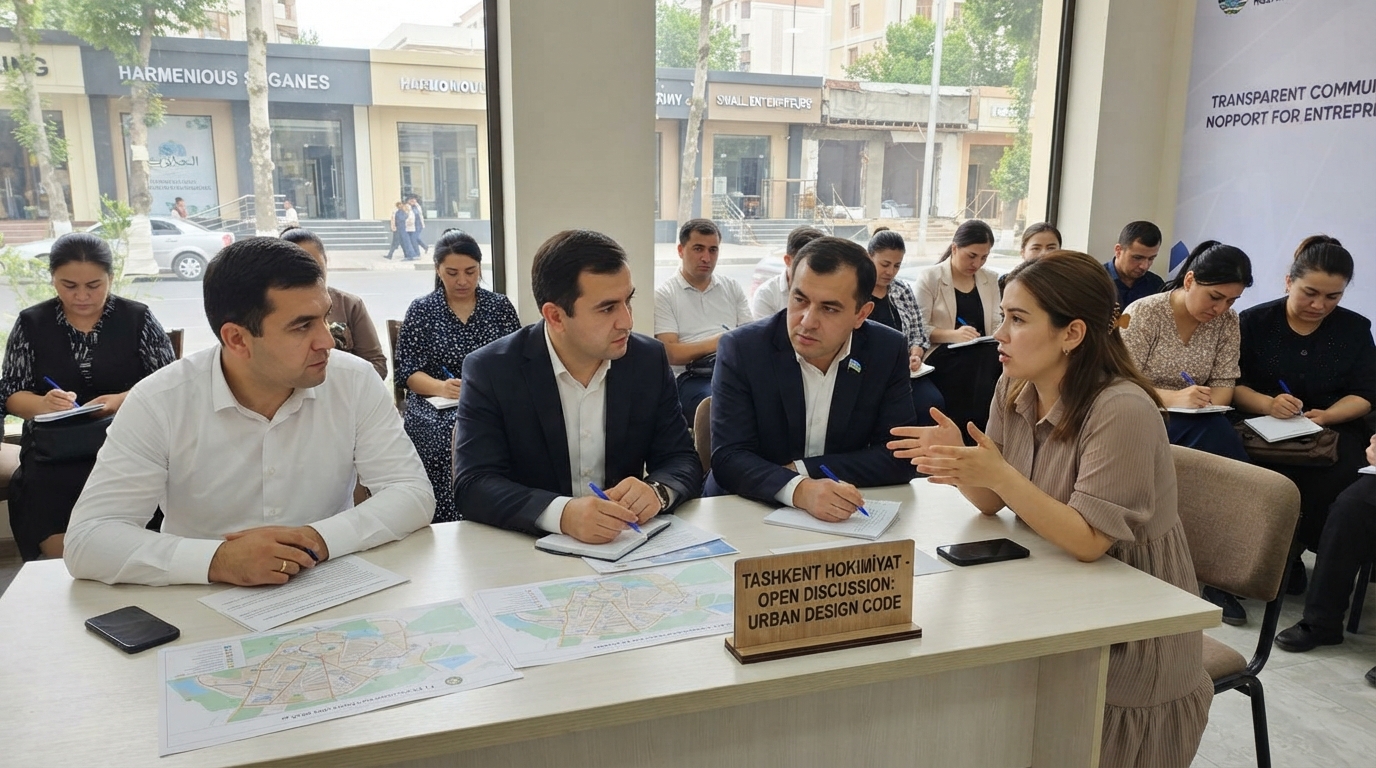
Tashkent's city administration, the hokimiyat, has revised its strategy for enforcing the urban design code, responding to input from local businesses. The hokimiyat announced that future efforts will prioritize transparent communication, open discussions, and tailored solutions for concerns raised by entrepreneurs.
Between May 11 and July 26, the design code was applied to 3,228 businesses situated on 56 streets throughout the capital. To gauge businesses' understanding of the new regulations, the Tashkent hokimiyat collaborated with the Chamber of Commerce and Industry's regional office to conduct a survey among entrepreneurs.
The survey revealed instances where the requirements, documentation procedures, and necessary steps were not communicated promptly or with sufficient clarity. The hokimiyat recognized these concerns as valid and committed to incorporating them into subsequent actions.
Currently, 509 businesses have already updated their facade designs to comply with the code, with an additional 2,627 businesses in the process of completing the work. The authorities intend to resolve outstanding issues on a case-by-case basis, working alongside district hokimiyats and pertinent organizations.
Furthermore, specialists from 18 advertising and production firms received training organized by experts from Toshkent Invest Kompaniyasi JSC, the Committee for Development of Competition and Protection of Consumer Rights, and the Tashkent hokimiyat’s Department of Digital Development.
The authorities emphasized that the design code's objective extends beyond standardizing facades; it also aims to ensure a transparent and equitable process for businesses. The hokimiyat stated that these requirements are designed to enhance the capital's aesthetic appeal without imposing undue burdens on businesses.