

Secret police files released in Hungary, 47 years after fall of communism
Critics say the move comes too late, that the files themselves are incomplete, and the move risks sowing division and causing unnecessary anguish.
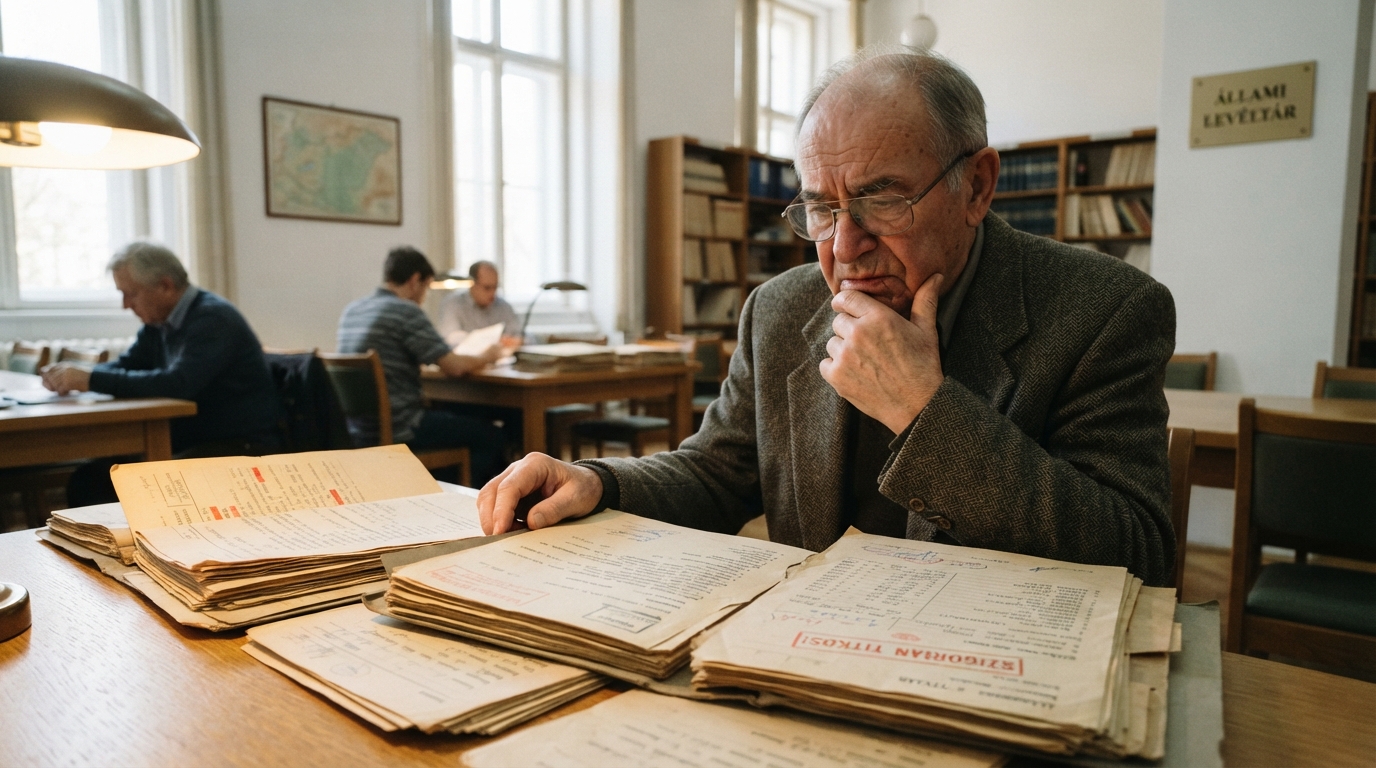
Secret police records made public in Hungary, 47 years after communism’s collapse
The documents were unveiled on Wednesday as part of a campaign pledge by Prime Minister Péter Magyar
Hungary has made communist-era secret police files accessible to the public in a contentious step that the government says will help Hungarian society recover from the wounds of 45 years of communist rule.
Opponents argue the move has come far too late, that the files are incomplete, and that releasing them could deepen divisions and cause needless pain for relatives.
The timing of the release is symbolic: on 4 November 1956, Soviet tanks entered Budapest and other cities to suppress Hungary’s brief revolution.
“I ask everyone to treat this long overdue publication of documents with dignity and humanity,” Prime Minister Péter Magyar told reporters at the state archives in Budapest.
“Many families will now face difficult information, often related to a deceased relative,” he added. “It is impossible to process a trauma without discussion and asking questions.”
Magyar defended the decision, which was a key promise of his election campaign before his landslide win in April, as the fulfilment of a pledge made by those who overthrew the Communist party in 1989 in Hungary.
How the downfall of Serbia's Vučiċ mirrored that of Hungary's Orbán
Hungarian MPs scrap Orbán's anti-LGBTQ measures
Over the decades that followed, conservative, Socialist-Liberal, and Fidesz-led governments all considered opening the files, but in the end declined to do so.
Since 1998, people have been able to request their own files, and historians have been allowed to study those of others. But many names were obscured, and many files were kept back by the post-communist secret services for their own use.
During the past 36 years, data from the files has repeatedly leaked as successive governments sought to harm their rivals. Many files were also destroyed as the Communist party lost control in 1988-89.
From Wednesday, the names and personal data of about 60,000 people recruited by the communist-era secret services have been available on the nyitottaktak.hu website.
So-called Form 6 cards have been released (above), showing full details about people, while B-dossiers detailing recruitment registers will follow next February.
A typical record includes the informer’s real name, codename, date of birth, address and mother’s name, along with the reason for recruitment — whether voluntary or the result of blackmail or coercion — and the name of the officer handling them.
Another set of files, known as the “B-dossiers,” is now being digitised and will be published on 25 February.
These will contain far more detail about the recruitment process, and about the high or low value of the information supplied.
Critics of the file release stress this point, saying people will be too quick to condemn those named in the files and unwilling to appreciate the nuances.
An estimated 150-160,000 people were recruited as informers in Hungary between December 1944 and February 1990.
Many were blackmailed, with threats including losing work or study opportunities, losing access to medicines, or having information about their sex lives or addictions exposed. Such intimate details will also be carefully removed from the current disclosures.
Krisztian Ungváry, a historian who has long campaigned for the full release of the files, says access to information recorded by the state about citizens is a citizen’s right and should not depend on the whims of those in power.
“In the overwhelming majority of surviving agent reports, it isn't even possible to identify the agent, let alone their motives,” counters an opponent of today’s move, Zsuzsanna Borvendég, a historian and MEP of the far-right Our Homeland party.
She told Hungarian media that publishing informers’ names without fully explaining the circumstances of their recruitment and their activities risks misleading the public.